Deportation to extermination camps
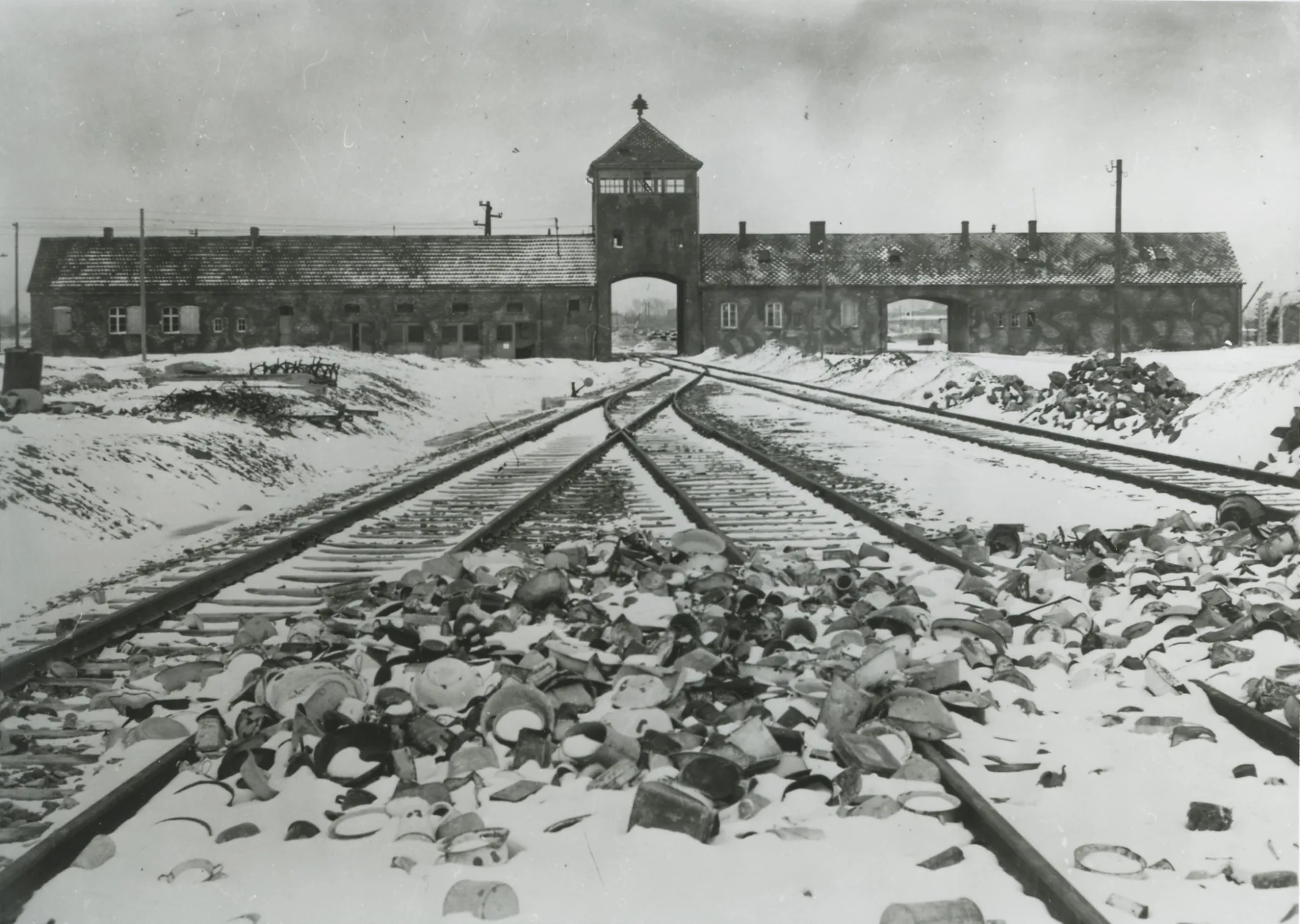
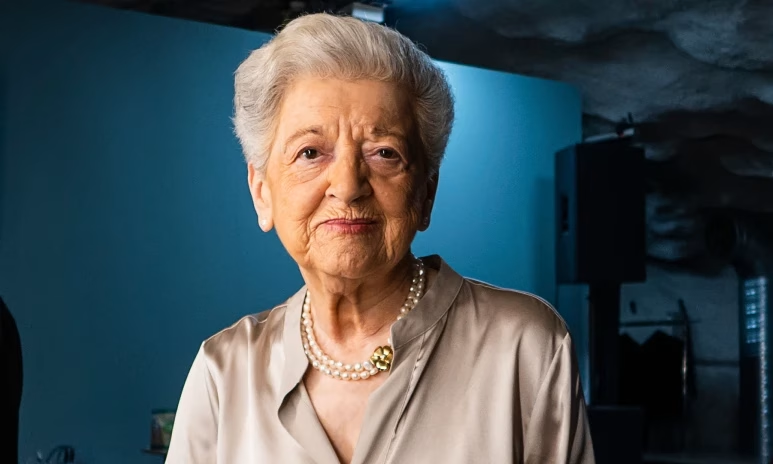
Elisabeth was born and raised in a small town called Trojtsa. She attended school, and as a Jewish girl, she faced antisemitism. During the summers, Elisabeth and her brother Isidor often stayed with their grandmother in the countryside. One evening while they were there, uniformed men came and forced the family back into town. Later, they were sent by train to the concentration and extermination camp Auschwitz-Birkenau.
In the extermination camps, the Nazis conducted selections when prisoners arrived. During the selection process, it was determined who would be murdered immediately and who would be sent to forced labor. Those who were murdered right away were often older, sick or children.
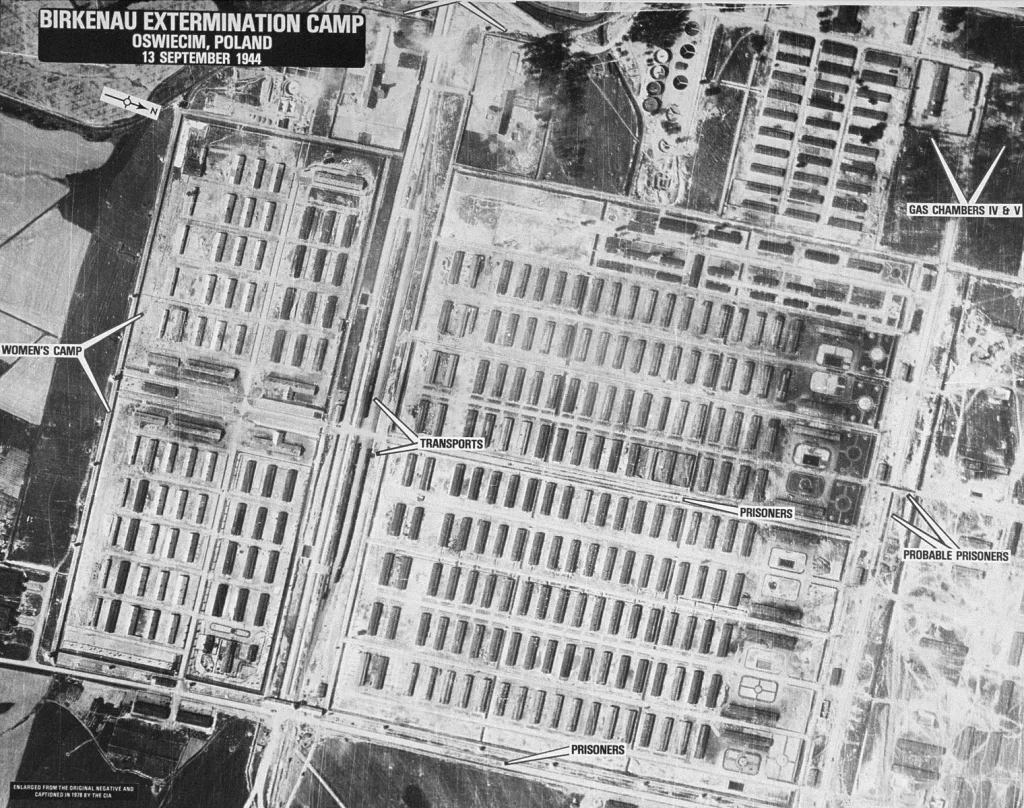
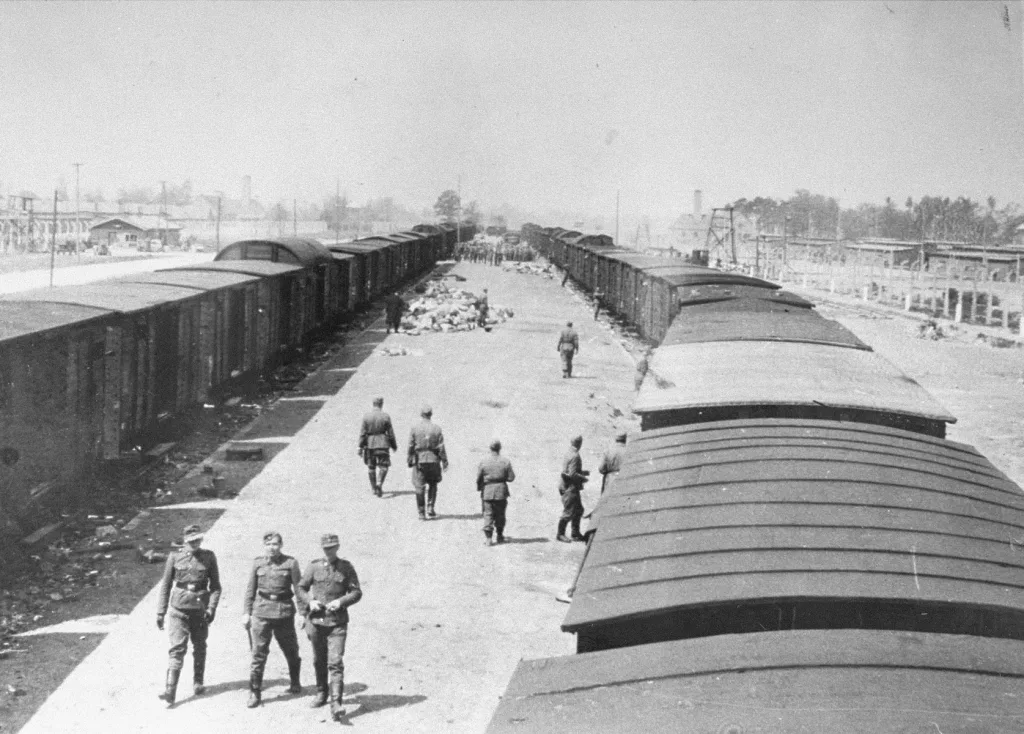
Auschwitz-Birkenau
Labor camps
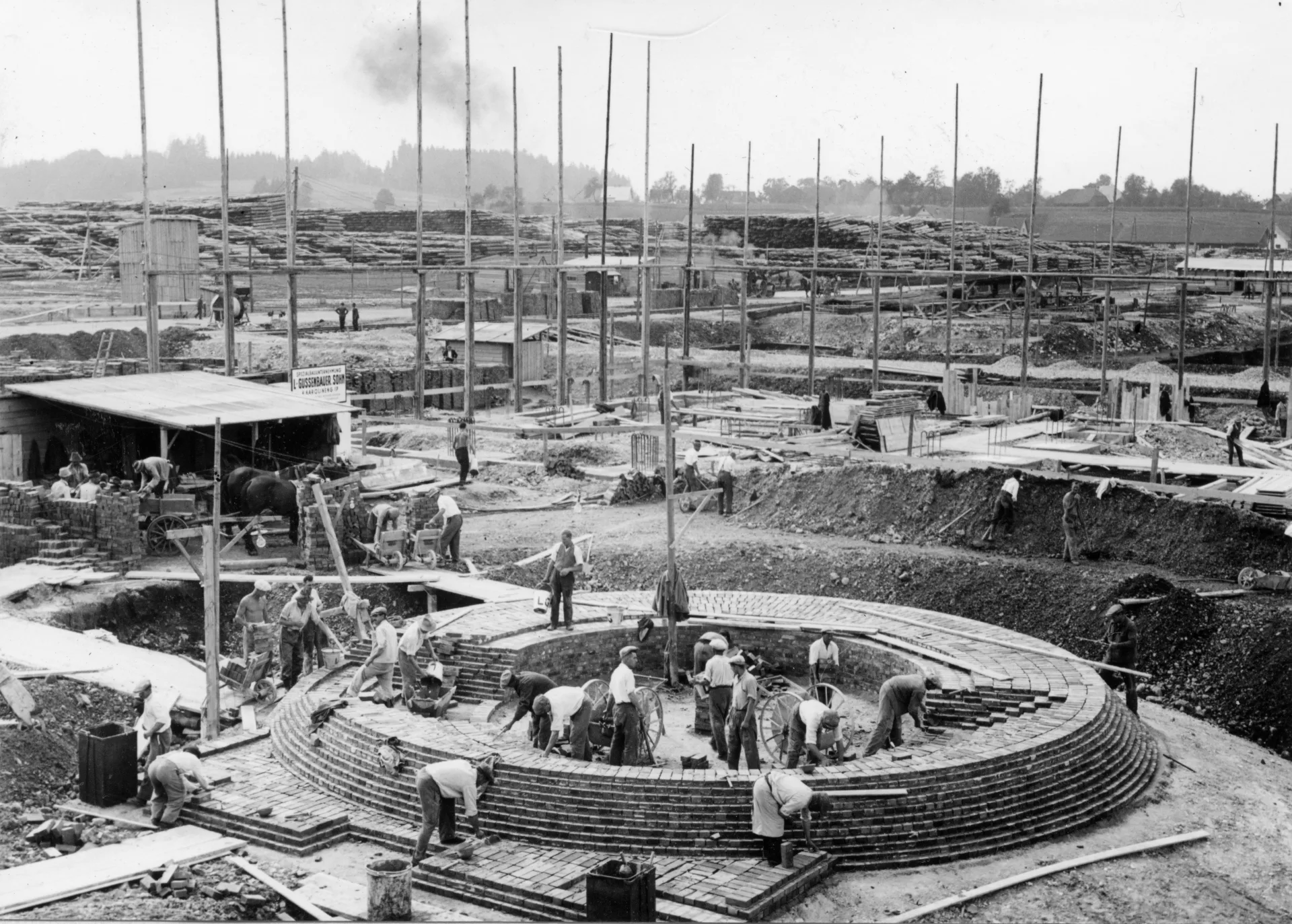
Every morning in Lenzing, Elisabeth and several other prisoners were forced to march six kilometers through the snow to a factory where they worked as slave laborers for 14 hours a day. In the factory, they produced cellulose (viscose). Their food rations were very small.
Death marches
The liberation
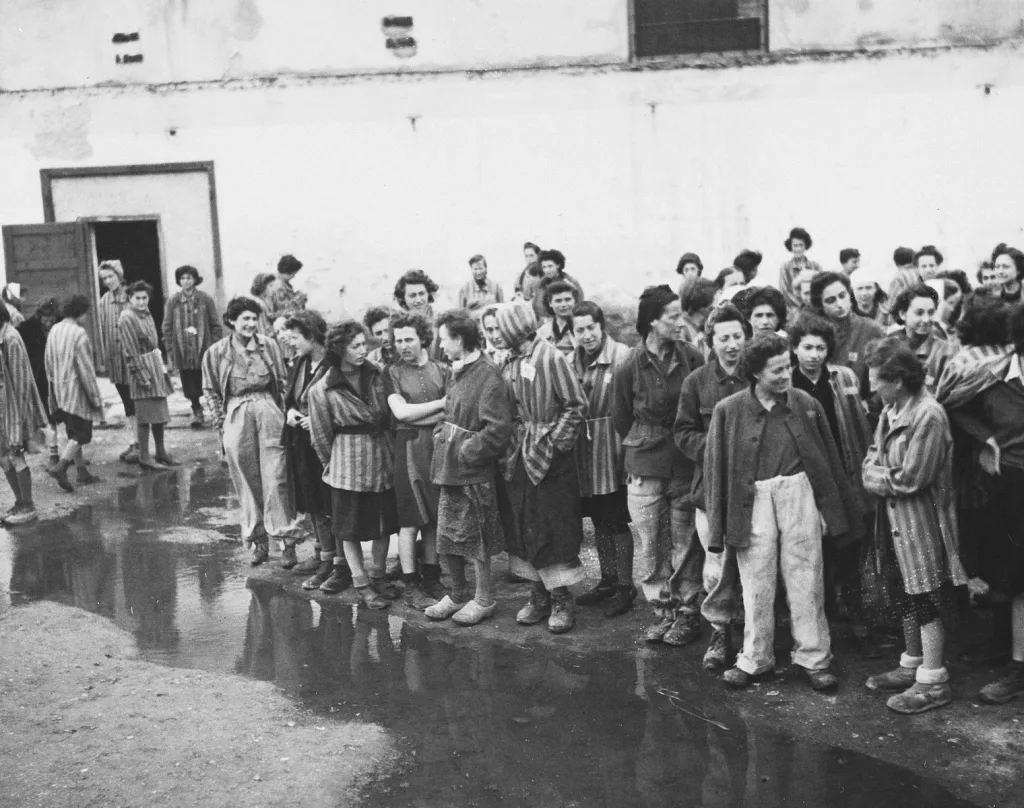
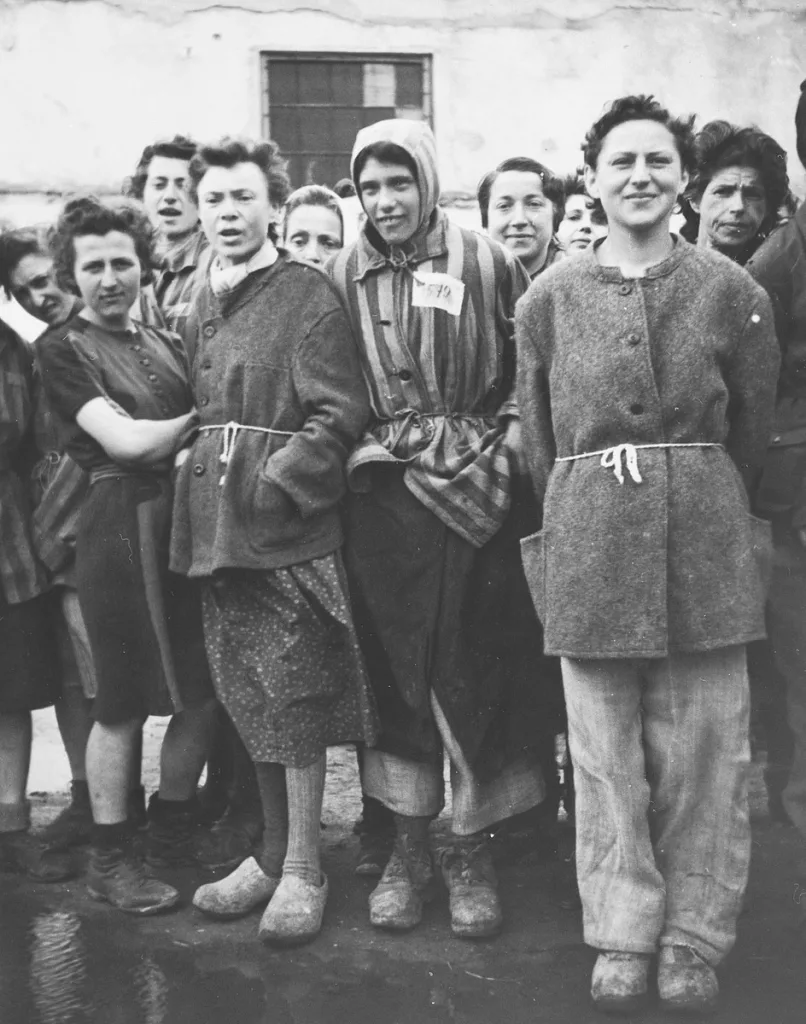
The post-war period
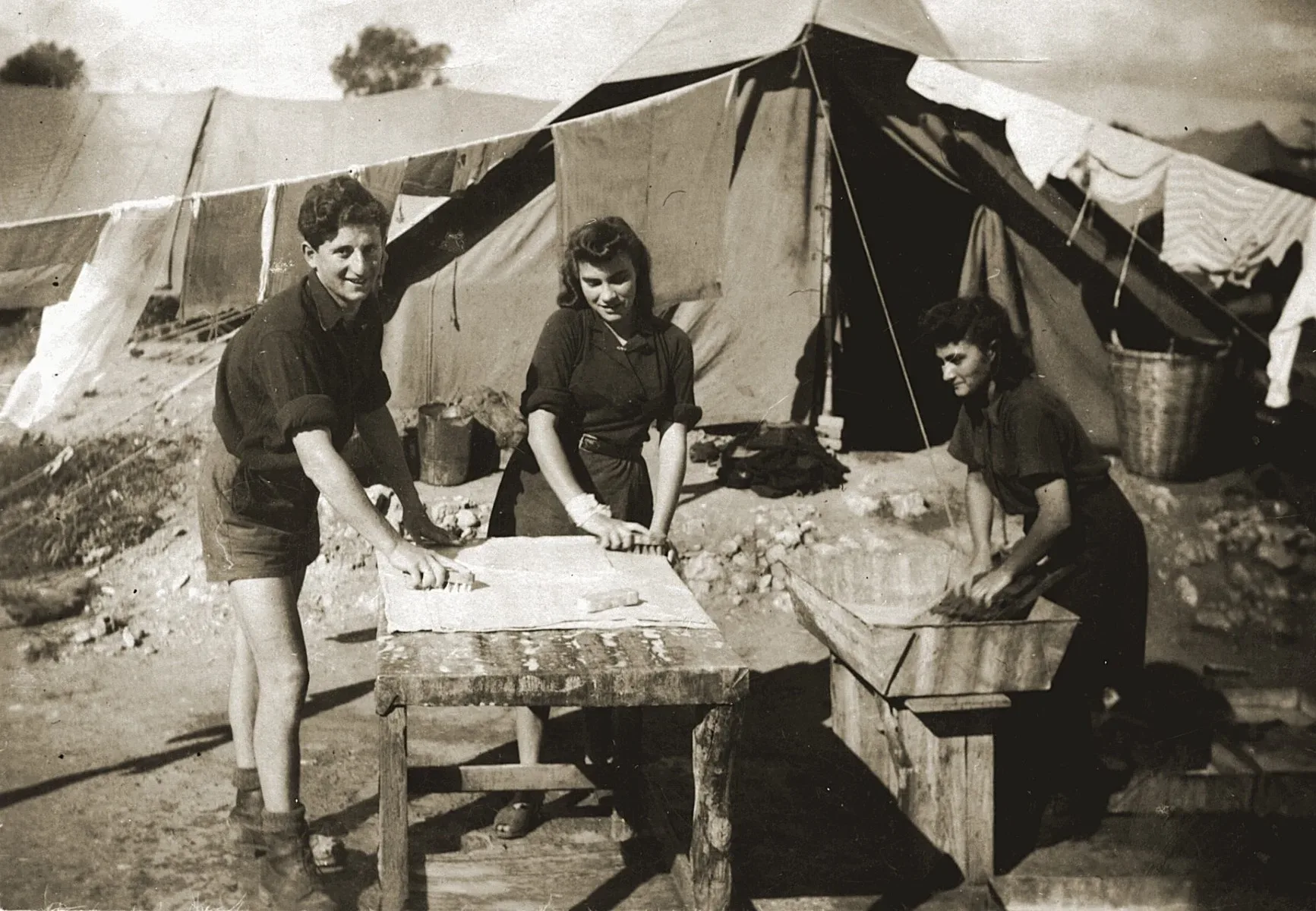
When Elisabeth was feeling better, she traveled first by train and then by car to return to Romania. Since she could not find any family members there, she decided to try to reach the British Mandate of Palestine.
The Zionist movement, the dream of establishing a Jewish state, had existed among several European Jews since the 1800s. During this time, Palestine was governed by the British, having been a British mandate territory since 1920. After the Holocaust, the question of a Jewish state was more relevant than ever.
DP-camps
Sweden
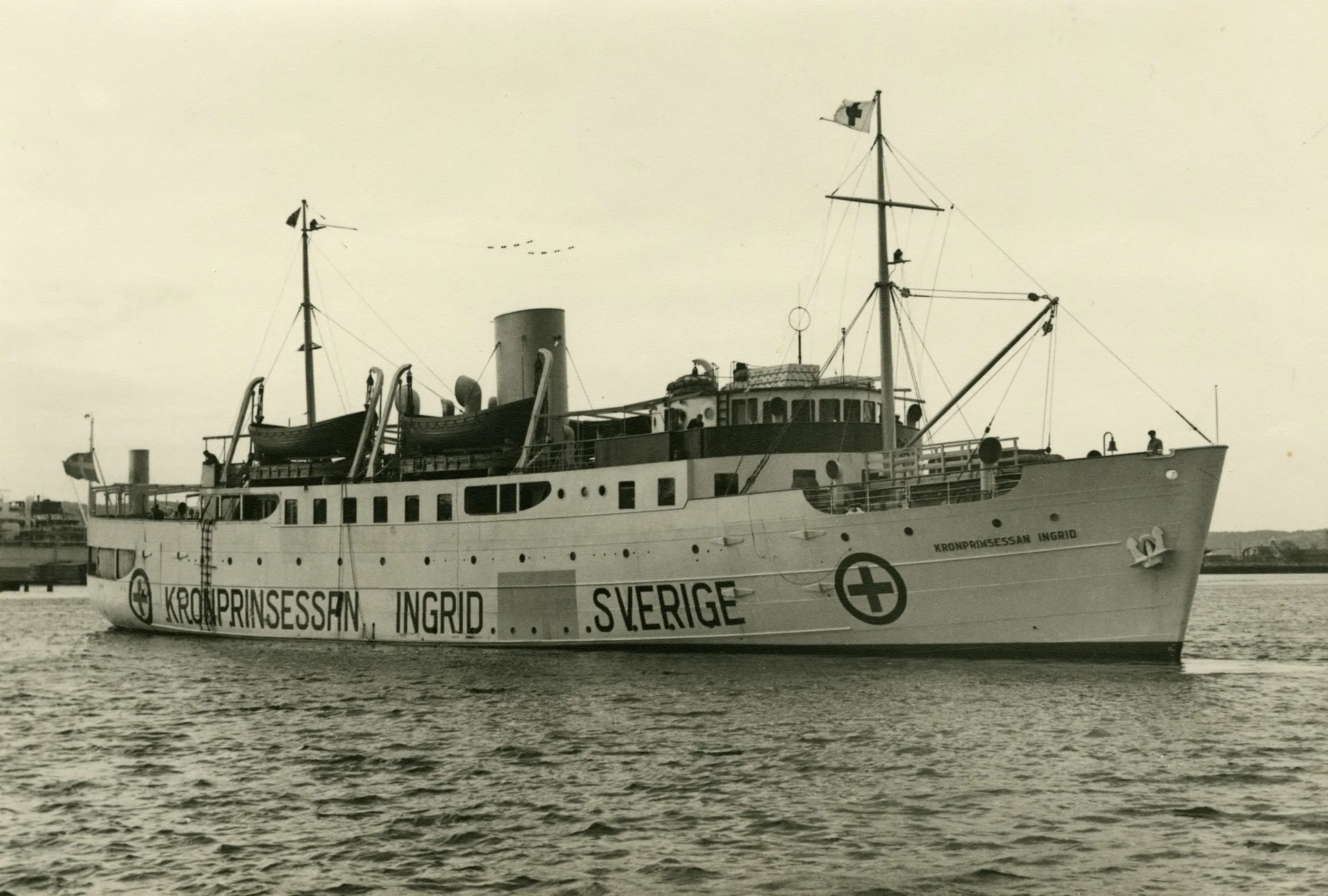
Elisabeth believed she had lost everyone she knew, but later learned that her father and brother had survived and were living in Sweden. She traveled to Sweden to meet them and stayed for two weeks in Växjö, but then she had to return to Israel. Later, Elisabeth and Georg decided to move to Sweden as well to reunite with her family.