The Mother's Day card

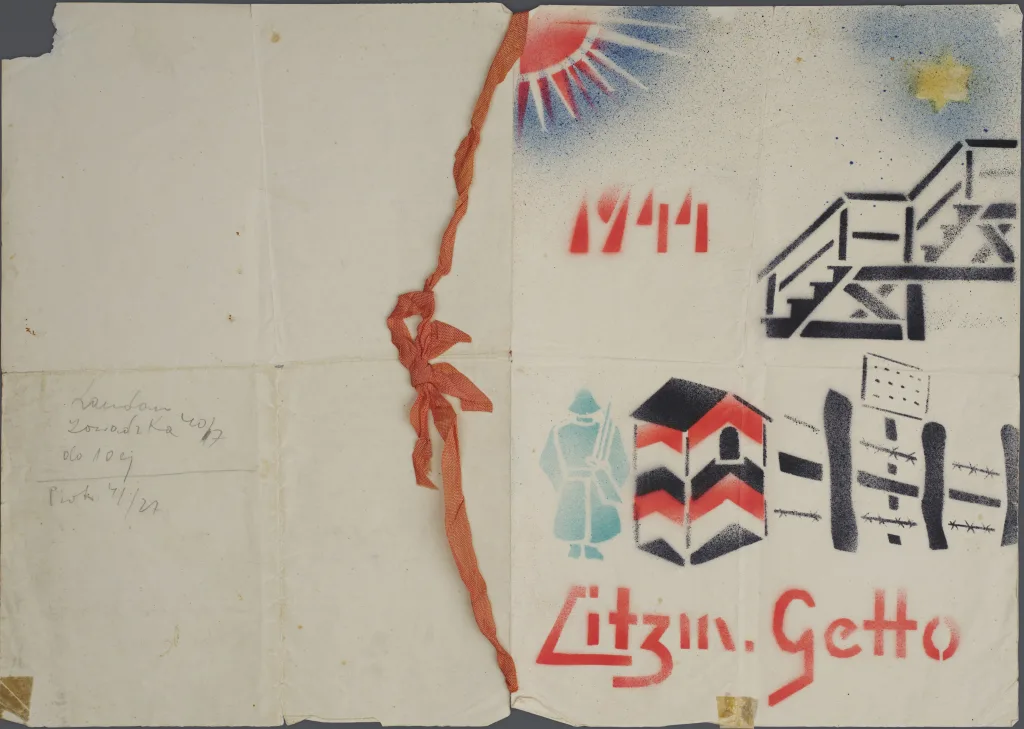

Tobias Rawet’s Mother’s Day card. Photo: Ola Myrin, The Swedish Holocaust Museum/SHM
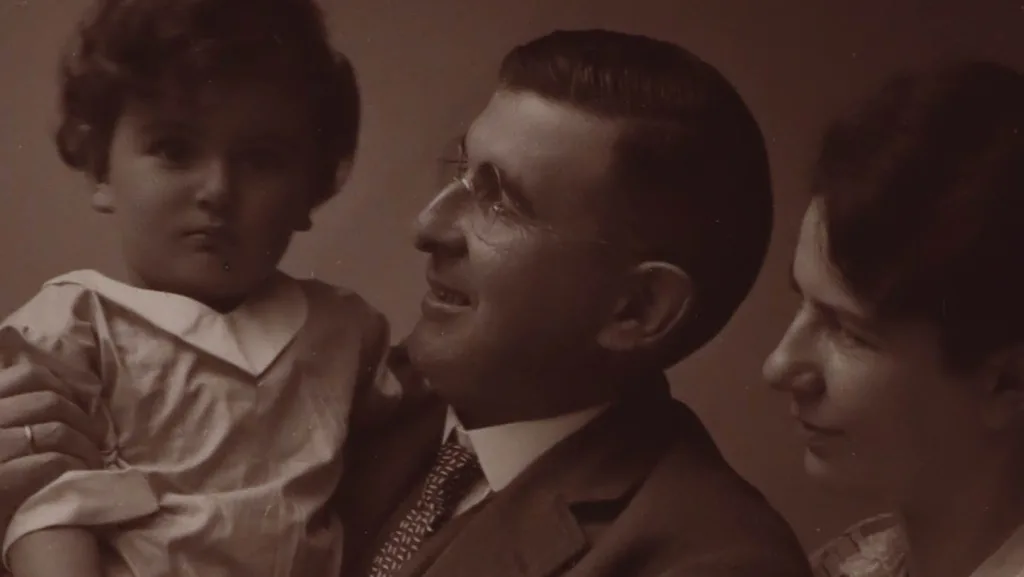
Tobias Rawet was born on February 12, 1936, in Łódź, Poland. In 1939, Poland was occupied by Nazi Germany. The Nazis opened ghettos in most major cities, to which all Jews were forced to move. As Tobias and his family were Jewish, they were forced into the Łódź Ghetto.
Only those who worked or attended school were eligible to receive the ghetto’s food rations. Since Tobias was only six years old, his father obtained forged documents that made him appear four years older, allowing him to work.
Printed in the ghetto
In the ghetto, Tobias worked in a factory and saved his money to buy a Mother’s Day card for his mother. When Tobias was eight years old, he had saved enough money to give his mother the card. The card was printed in the ghetto and offers a glimpse into life there.
In January 1942, deportations from the Łódź Ghetto to the Chełmno extermination camp began. Tobias and his mother were transported by train to the Ravensbrück concentration camp.
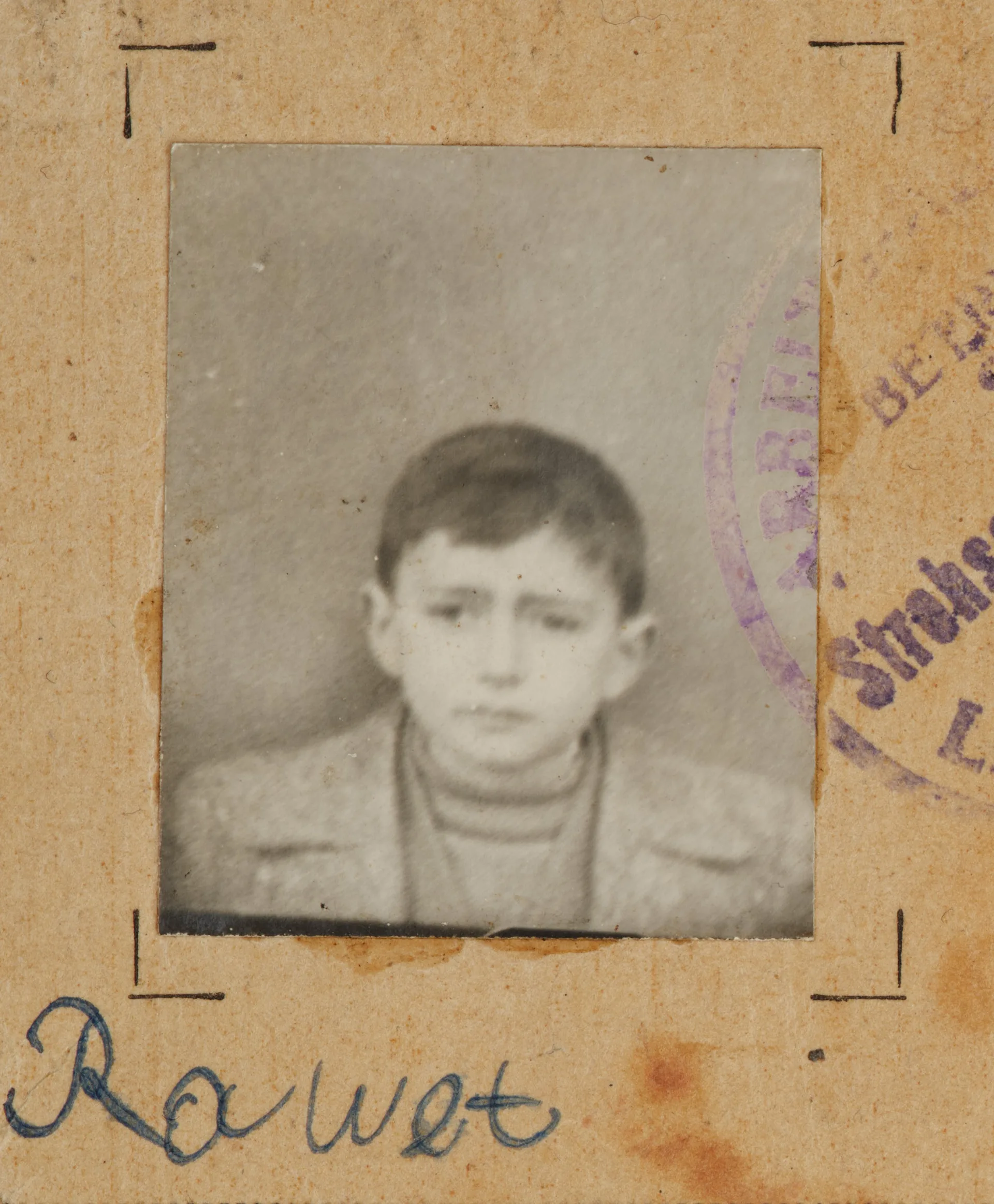
Both Tobias and his parents survived the camps and returned to Łódź after the Holocaust. Beneath a floorboard in their former home in the ghetto, his parents had hidden some of their most cherished possessions, including the Mother’s Day card from 1944. Four years later, the family fled Poland’s communist regime and came to Sweden.