Unique photos från the Łódź ghetto

The Łódź Ghetto was one of the largest ghettos in Poland. Due to the hundreds of factories in the city, it came to function as a labor camp that supplied Nazi Germany with both workforce and products, including uniforms for the German army.
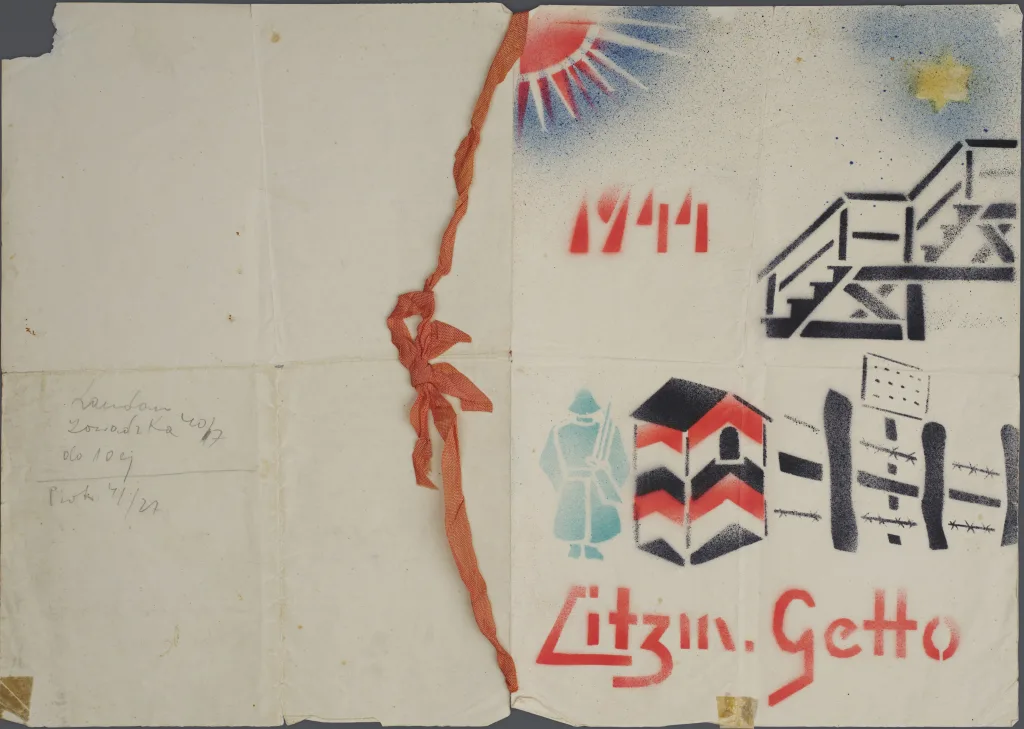
Conditions in the ghetto were horrific and marked by overcrowding and shortages of food and water. At the same time, it had a functioning administration, including civil registration, statistical, and postal offices.
Secretly documented life in the ghetto
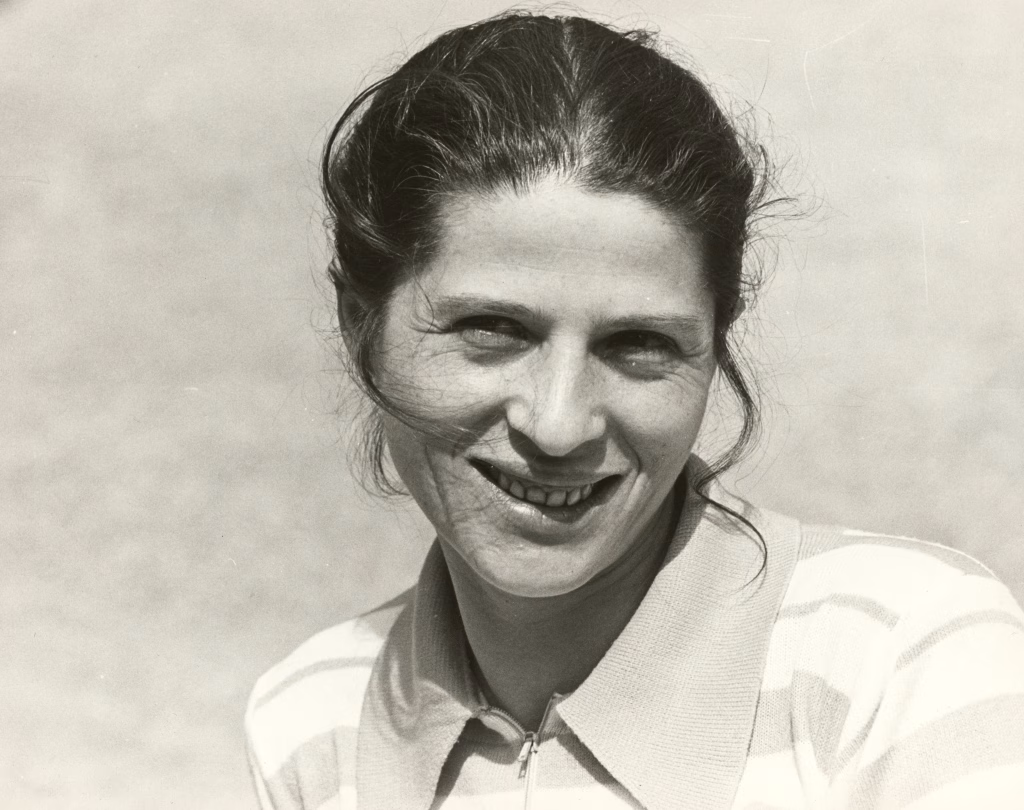
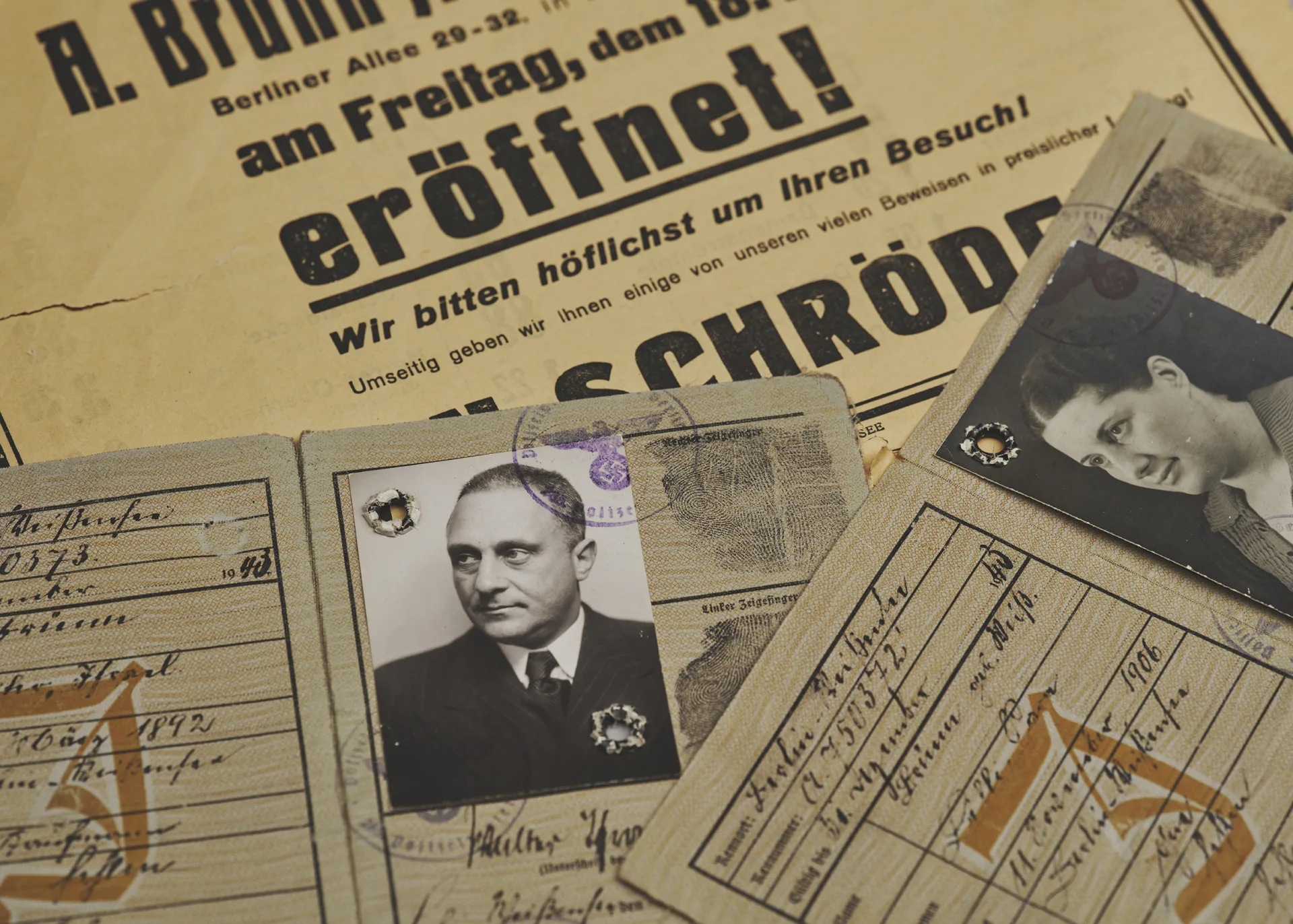
Three photographers, Henryk Grossman, Mendel Ross, and Nachman Zonabend, were part of a group whose responsibilities included issuing identity cards to the ghetto’s residents. Zonabend worked at the post office, while Grossman and Ross worked at the statistics office. This gave them good access to cameras and rolls of film. At great risk to their own lives and those of their families, they secretly documented life in the ghetto.
When the ghetto was being liquidated, Nachman Zonabend and Henryk Ross were assigned to a group responsible for clearing the camp. Zonabend managed to hide a large portion of the ghetto administration’s archives, photographs, and artwork by throwing them into a dried-up well, which he then filled with bedding in the hope that it would protect the materials from moisture and discovery. Ross and Grossman also succeeded in concealing negatives and other artifacts.
After Poland was liberated by the Red Army, both Zonabend and Ross managed to return to Łódź and recover what had been hidden. Mendel Grossman had died shortly before liberation during a from Sachsenhausen, near Berlin, but his sister Rozka found and retrieved the materials her brother had concealed.


An important record and testimony
Nachman Zonabend also took part in documenting evidence of the Nazis’ crimes against humanity after liberation. Together with the previously preserved photographs and the archival records of the Łódź administration, these images became an important resource for the Jewish Historical Commission, which used the material as evidence in prosecutions of Nazi war criminals.
In 1947, Nachman Zonabend donated the archives of the Łódź Ghetto administration to YIVO, the YIVO Institute for Jewish Research, and the photographs taken by the three photographers have since been distributed to several Holocaust museums and research institutes around the world. The material serves as an important record and testimony for future generations, documenting life in the ghetto and the Holocaust.
Zonabend, who came to Sweden in 1947, devoted the rest of his life to spreading awareness of the remarkable efforts undertaken by himself and his friends.