The Pocket Watch
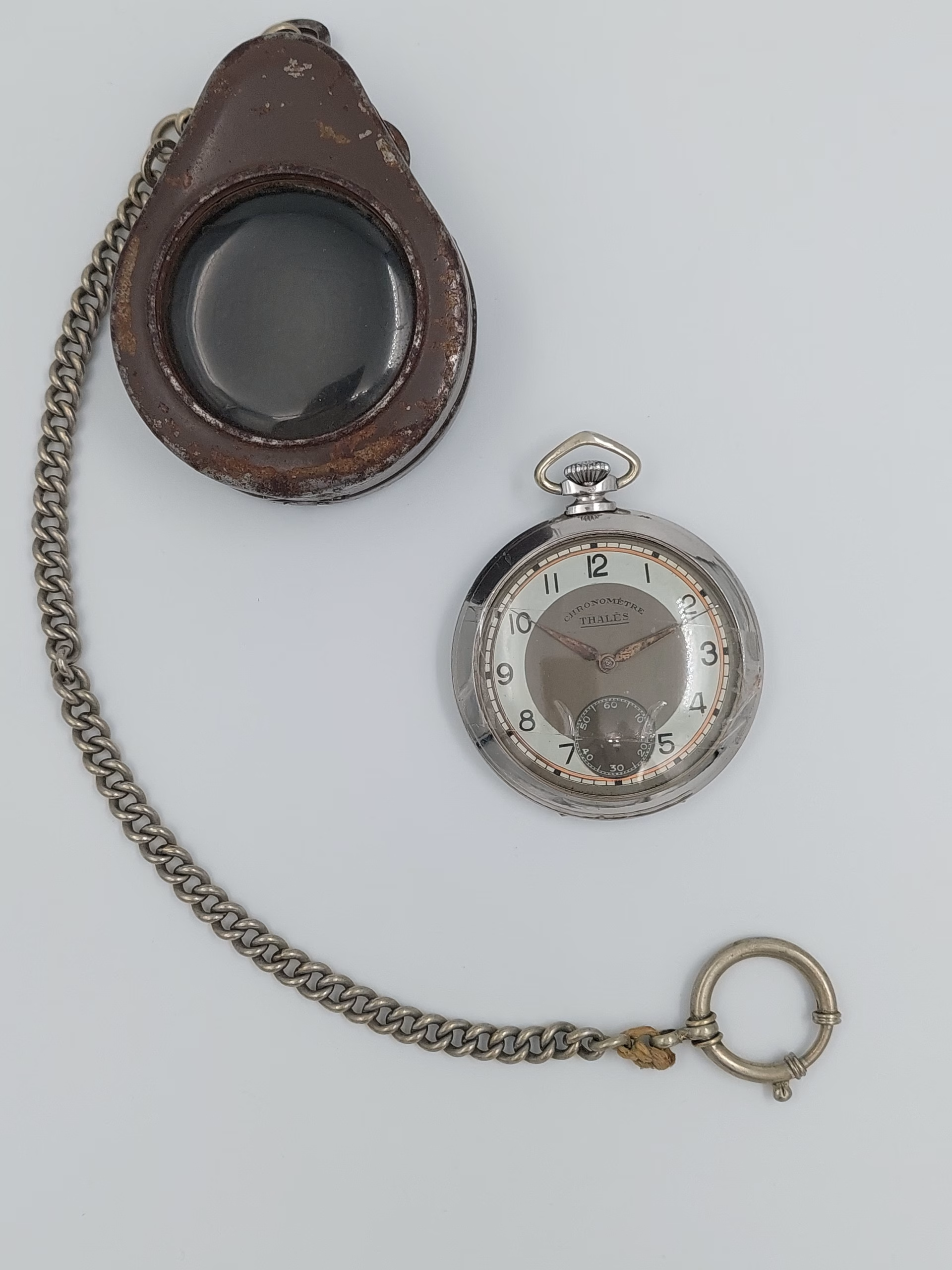
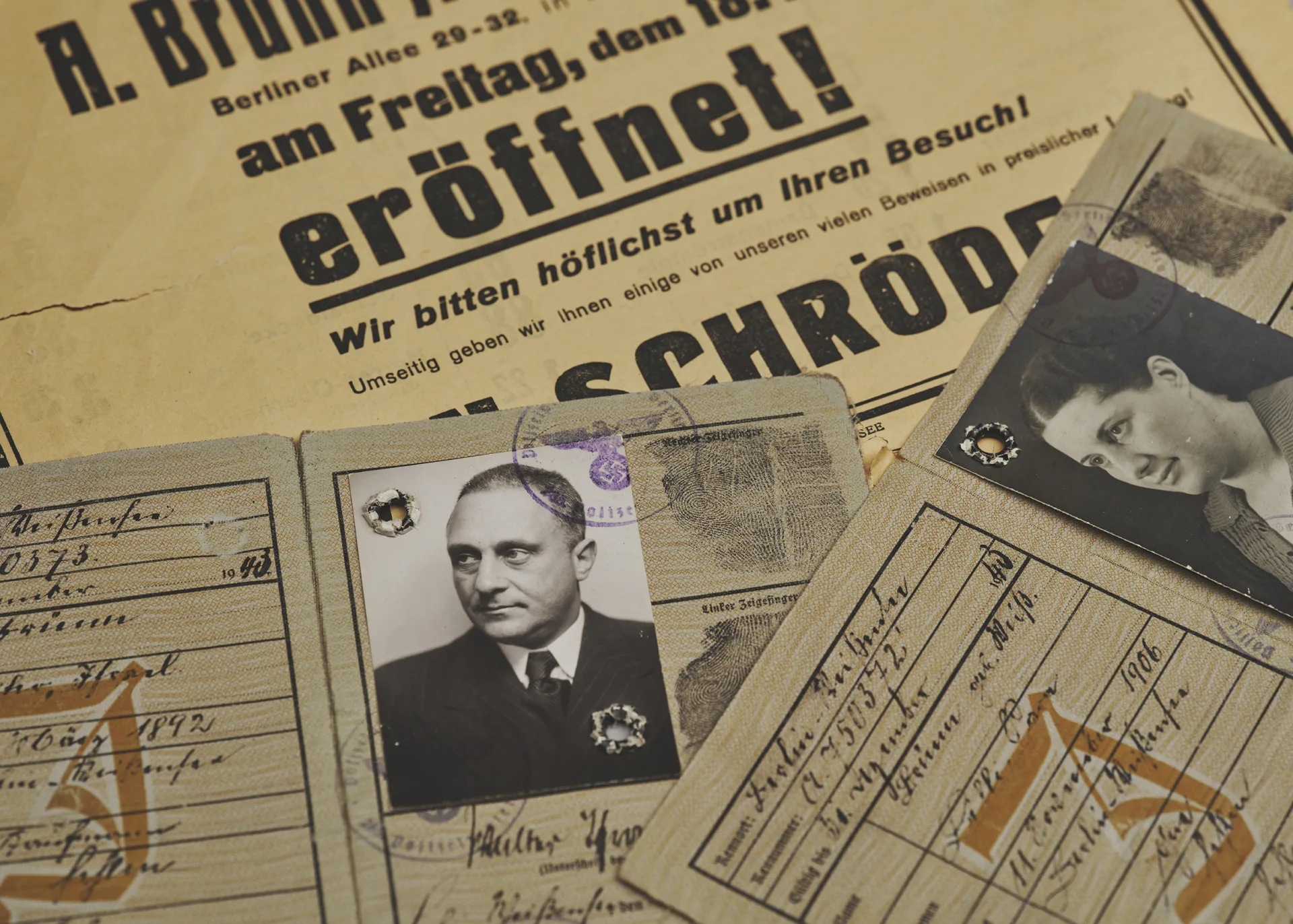
Stefan Siwek was born in Poland in 1899. He was sent to the Neuengamme concentration camp after being arrested for distributing food ration cards. His personal file in the shows that he was assigned prisoner number 54148 and that his watch was confiscated upon arrival. As a political prisoner, he was allowed to have his watch registered so that it could be returned to him upon his release.
Forced on a death march
In April 1945, as the Allied forces approached and the war drew to a close, the SS began evacuating the camps and forcing prisoners on so-called . Many prisoners were executed in the camps or during these marches. Approximately 10,000 prisoners from Neuengamme were taken to the city of Lübeck and held aboard cargo ships. Several thousand more were loaded onto the cruise ship Cap Arcona nearby. Conditions aboard the ships were devastating. The prisoners were given neither food nor water, and many died in the ships’ holds.
On 3 May 1945, British bombers attacked the ships, mistaking them for German warships. Both the Cap Arcona and the cargo ship Thielbek caught fire. Around 7,000 prisoners drowned or were shot dead as they tried to escape the flames. Stefan Siwek was among those who perished in the attack.
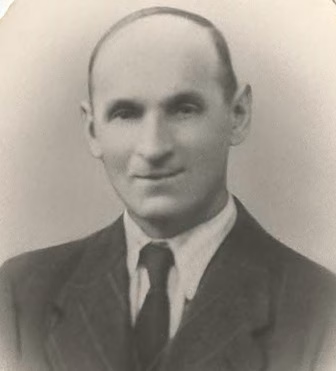
Stefan's son came to Sweden
Stefan Siwek’s son, who was also named Stefan Siwek, was also a prisoner at Neuengamme. Unlike his father, he managed to survive the death marches. He later came to Sweden as part of the humanitarian rescue operation known as the White Boats, arriving in Kalmar on 24 July 1945. In Sweden, Stefan met Ella at Vasaskolan in Kalmar. Ella was a nurse at the school and cared for him.
It was through the Arolsen Archives that Stefan Siwek’s pocket watch was eventually returned to his descendants, his grandchildren, who in turn donated the object to the Swedish Holocaust Museum.