Alice Kertész
Alice, 1944 Budapest, Hungary
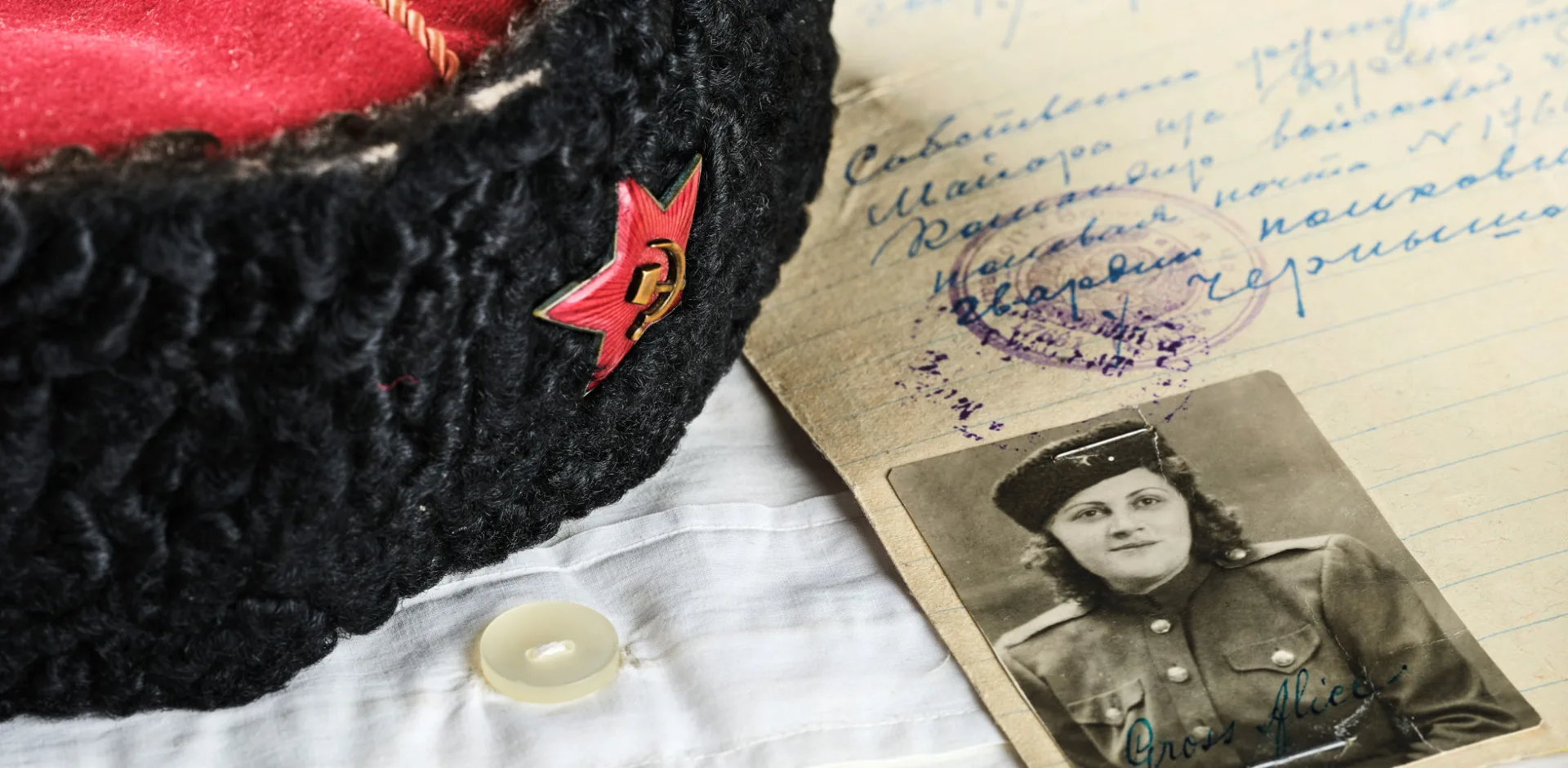
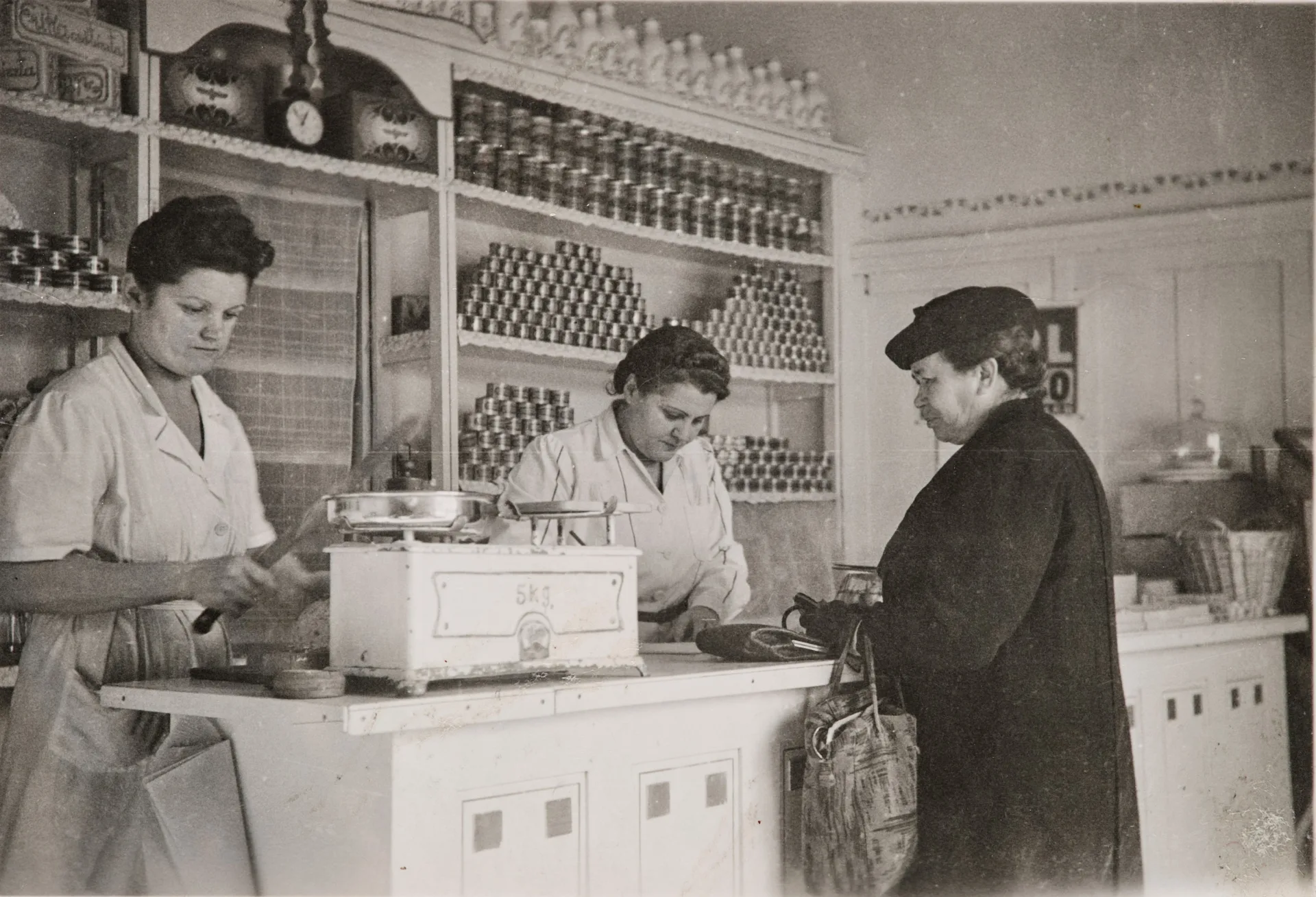
In March 1944, the armies of Nazi Germany occupied Hungary. Thirty-year-old Alice Kertész, née Grosz, lived in the capital, Budapest, running a milk shop. Alice was unmarried and lived alone. There was one man in her life, Sándor. But he lived with his wife and three daughters in the town of Jászberény, east of Budapest.
Alice escaped the deportation of Hungarian Jews in the fall of 1944. She dressed as a Catholic war widow and obtained a duplicate of her identity documents from one of her employees. The man she met on the street only exchanged a few words and wished her luck. She was able to keep her false identity.

In November 1944, the Soviet army reached Budapest. In addition to Hungarian and Yiddish, Alice spoke both Russian and German. She was hired by the Soviet army as an interpreter and worked for them until the end of the war.
Unlike Alice, Sándor was deported and put in various labor camps. Towards the end of the war, he was forced on a death march but survived. Sándor was liberated by the American army in May 1945.
Summer 1945 Budapest, Hungary
Suddenly one day Sándor returned to Hungary. With him were his brothers, who had also survived, but Sándor's wife and three daughters were murdered in the gas chambers of Auschwitz-Birkenau.
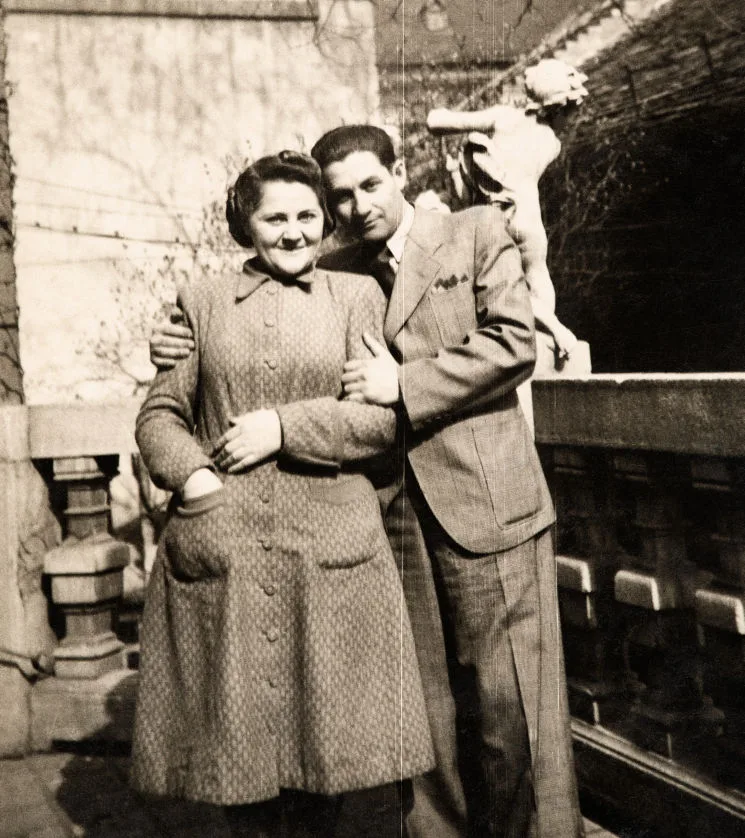
When he arrived in Budapest, Sándor and Alice were reunited and the following year they were married. In 1948 they moved to Sándor's hometown of Jászberény. The couple opened a clothing store and in 1954 they had a son, Tomas. Before the war, there were about 600 Jews in Jászberény. Now there were only about a hundred of them left.
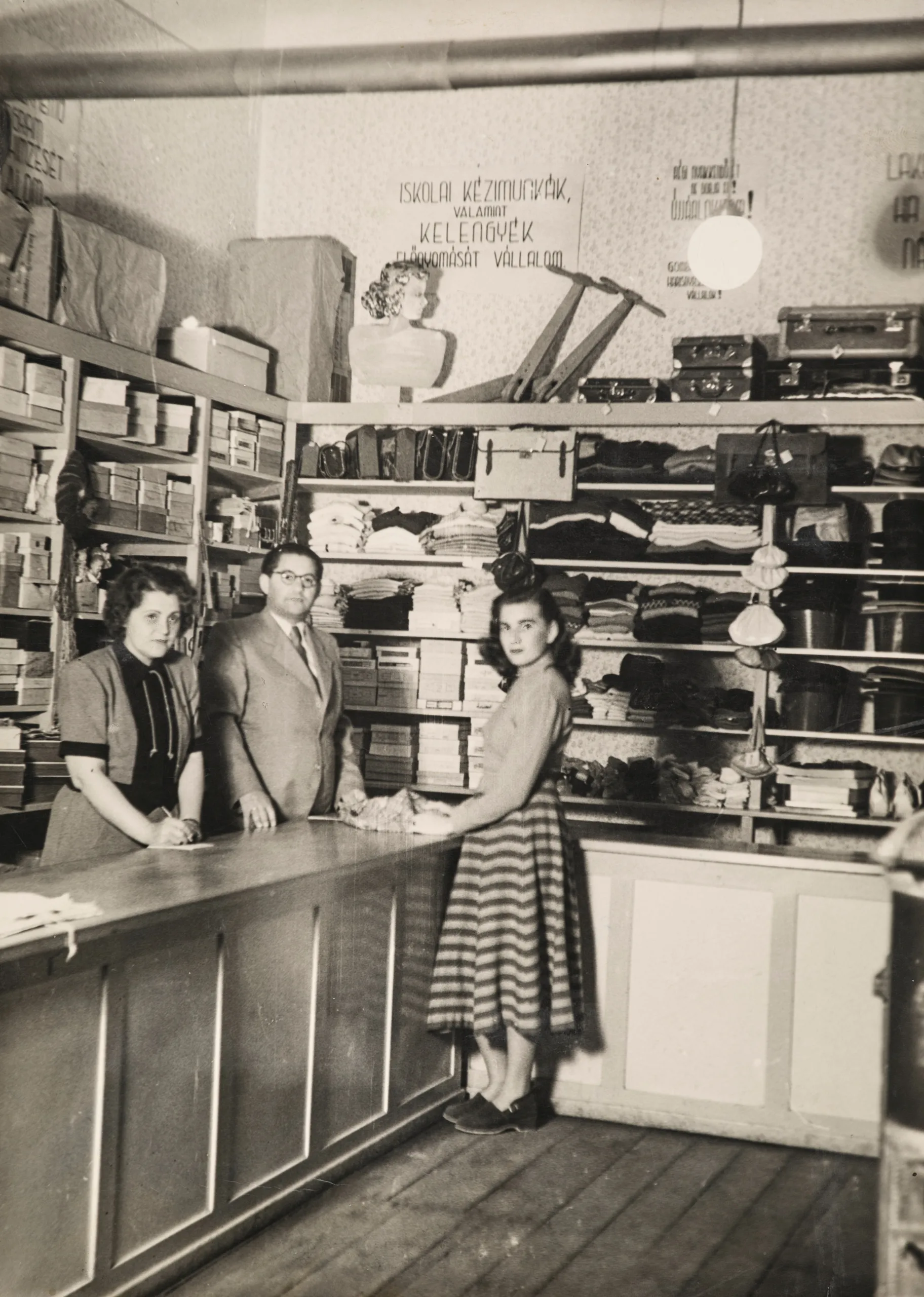
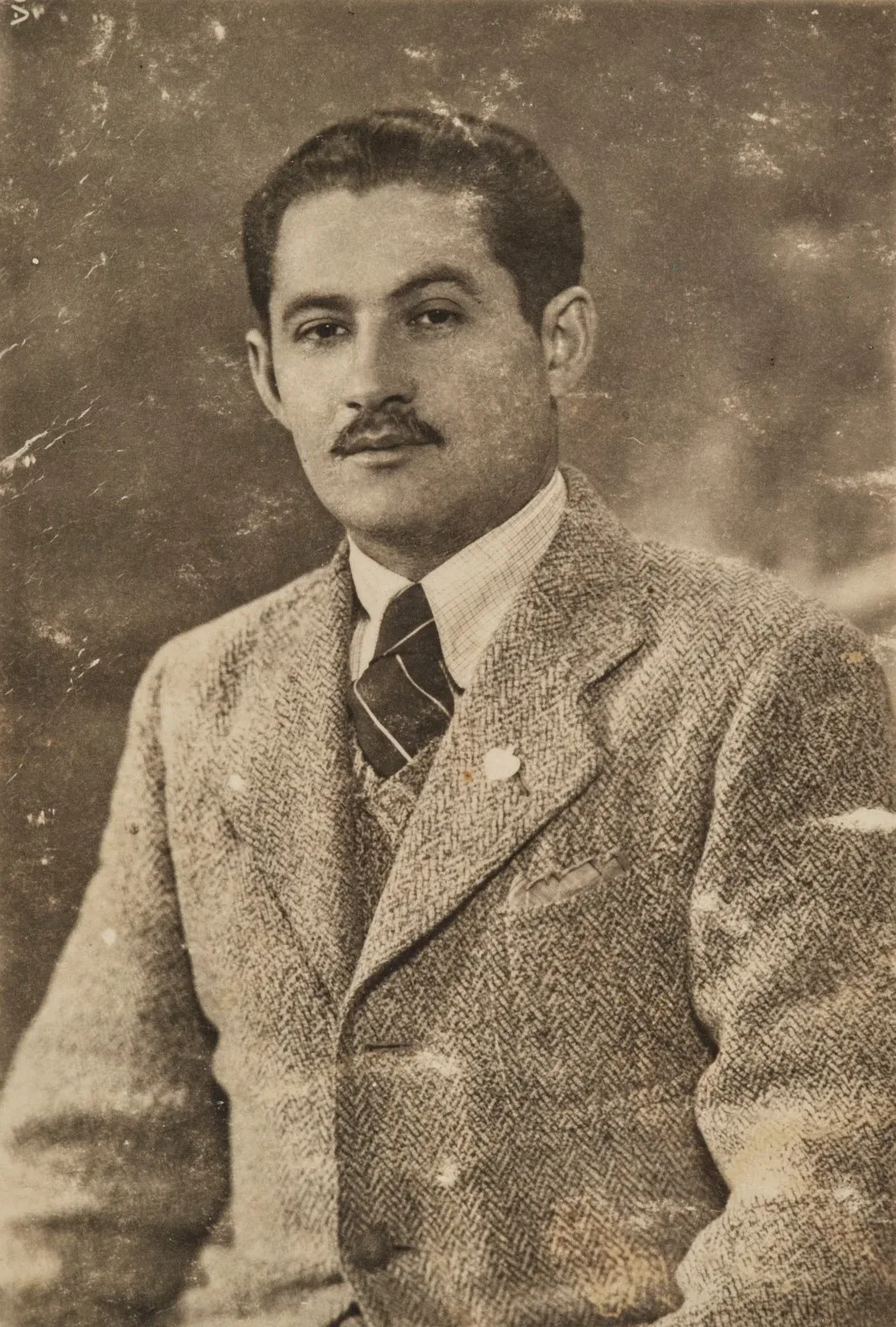
One autumn day in 1956, Alice saw the words: “Jew, we will not take you to Auschwitz” written on a wall in the city. She understood the anti-Semitic graffiti as “we will murder you here on the spot”. This made Alice decide. She and her family would not stay in Hungary.
In July 1957, Alice and Sándor got off the ferry in Trelleborg together with little Tomas, who was about to turn three.