Mass shootings and the deportation of the Hungarian Jews

  1. Home
  2. Digital Exhibitions
  3. Seven Lives
  4. Mass shootings and the deportation of the Hungarian Jews
Digital exhibitionSeven lives
In the summer of 1941, the SS and the German army murdered 20,000 Jewish men, women and children in the area around the Pripyat Swamp. The order came from SS Supreme Leader Heinrich Himmler – men over the age of 14 were to be shot. Women and children were to be driven into the swamp to drown there.

Mass shootings of Jews

When Nazi Germany invaded the Soviet Union in the summer of 1941, a new phase in the Nazis' murders began. Up until then, they had mainly killed Jewish men, leaders and political opponents. In the swamps on the border between present-day Belarus and Ukraine, they also began to murder Jewish women and children.

At a conference in Wannsee in January 1942, Nazi leader Reinhard Heydrich gathered bureaucrats and officials. The purpose of the conference was to coordinate the systematic killing of Europe’s Jews. The Nazis called it “the final solution to the Jewish question”.

In German-occupied Poland, pure extermination camps such as Belzec, Chelmno, Sobibor and Treblinka were created, with the sole purpose of murdering the people taken there by the Nazis. At the same time, mass murders took place in many other places. In villages and towns, in forests, in fields and on beaches, places that often also became the graves of the murdered.
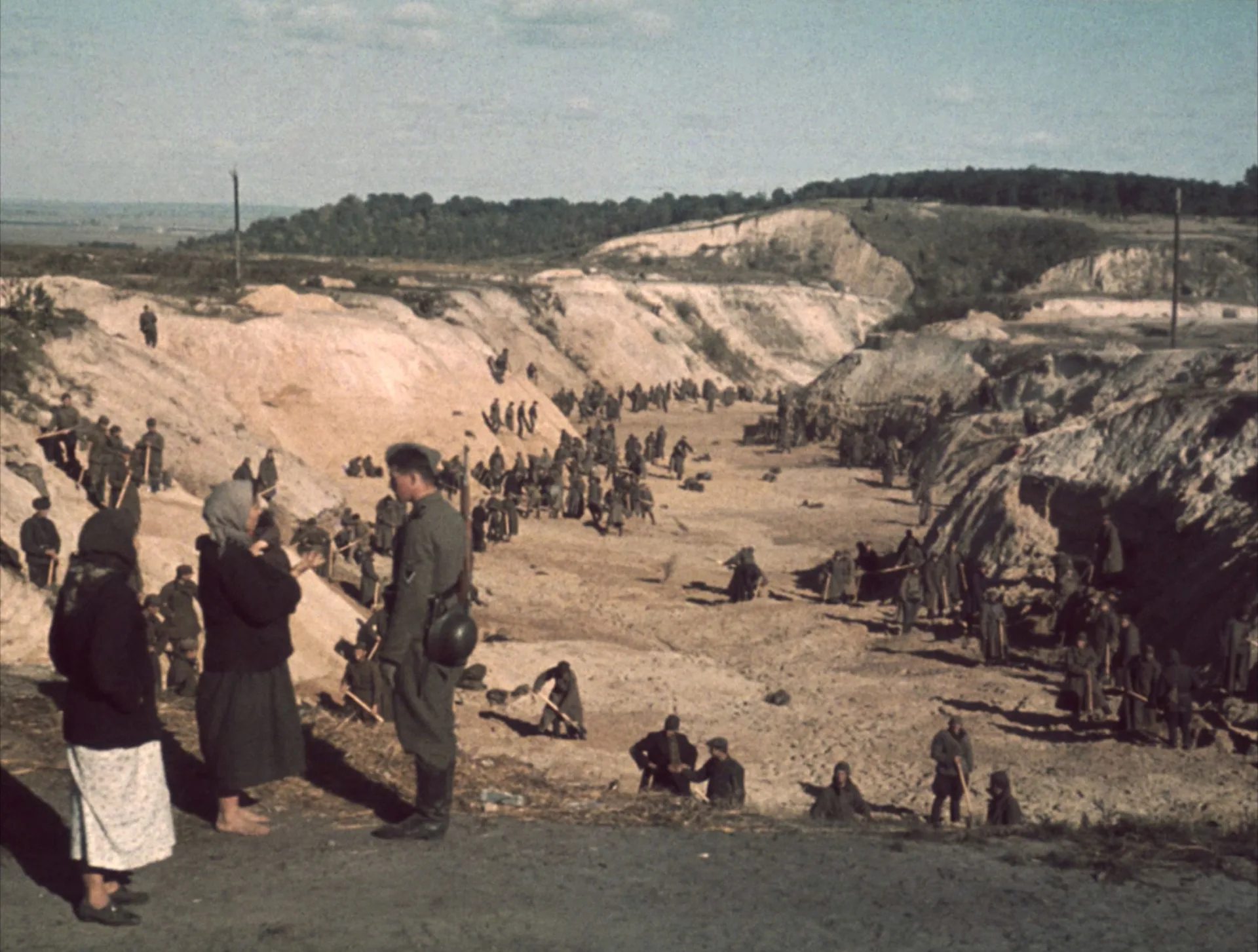
Soviet POWs covering a mass grave after the Babi Yar massacre. Johannes Hähle, October 1, 1941. Photo: Wikimedia Commons, Public Domain

In a ravine outside the town of Babyn Jar in Ukraine, Nazis shot dead over 33,000 Ukrainian Jews during the last two days of September 1941. In total, about 100,000 people were murdered there. This site and many others are now memorial sites. Elsewhere, no trace of what happened can be seen today.

Mass shootings of Sinti and Roma

The Nazis considered Sinti and Roma to be work-shy, antisocial and criminal and believed that these characteristics were hereditary. According to the Nazis, they were therefore a threat to the German people. As early as 1934, German police began arresting Roma and forcing them to live in special camps. During Nazi invasion of Poland in the autumn of 1939, Sinti and Roma were murdered in mass shootings.

It is difficult to know how many Sinti and Roma were murdered in mass shootings because the number of unreported cases is high. In most cases, the shootings of the Sinti and Roma were not registered and there is a lack of preserved documentation and witnesses to these events. However, research agrees that the majority of Sinti and Roma was murdered in mass shootings during the Holocaust.

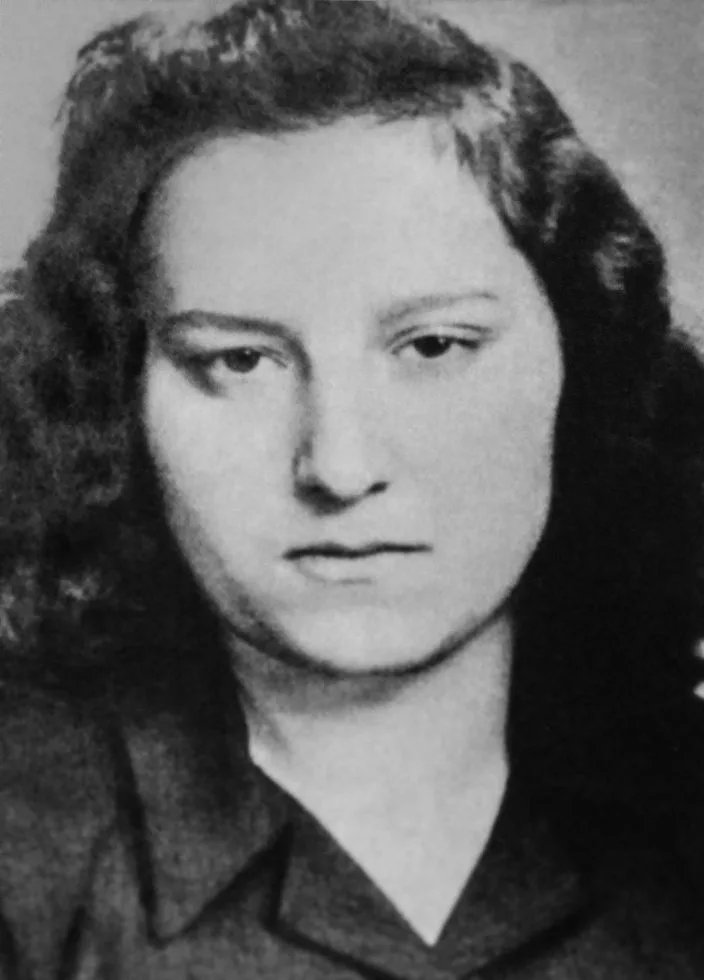
Hanna and her family lived a nomadic life. Her father wanted to move the family further away from the front, but Hanna and her little sister Anita could not walk and were therefore left with an aunt. When Hanna's father and other siblings were about to leave Hanna and Anita, they were met by Nazi soldiers.
The deportation of the Hungarian Jews

Hungary was an ally of Nazi Germany. However, in March 1944, Nazi Germany invaded the country when the Hungarian government wanted to negotiate peace with the Allies.

The Nazis and the Hungarian police subsequently deported 440,000 Jews from the Hungarian countryside to the Auschwitz-Birkenau extermination camp and to labor camps in Austria. The deportation of Hungarian Jews sparked protests in many countries. Through the efforts of diplomats from several countries, at least 10,000 Hungarian Jews were saved. Swedish diplomats in Budapest participated in the rescue operation.

Alice was living in Budapest when Nazi Germany invaded Hungary. She lived under a false identity to avoid being deported.
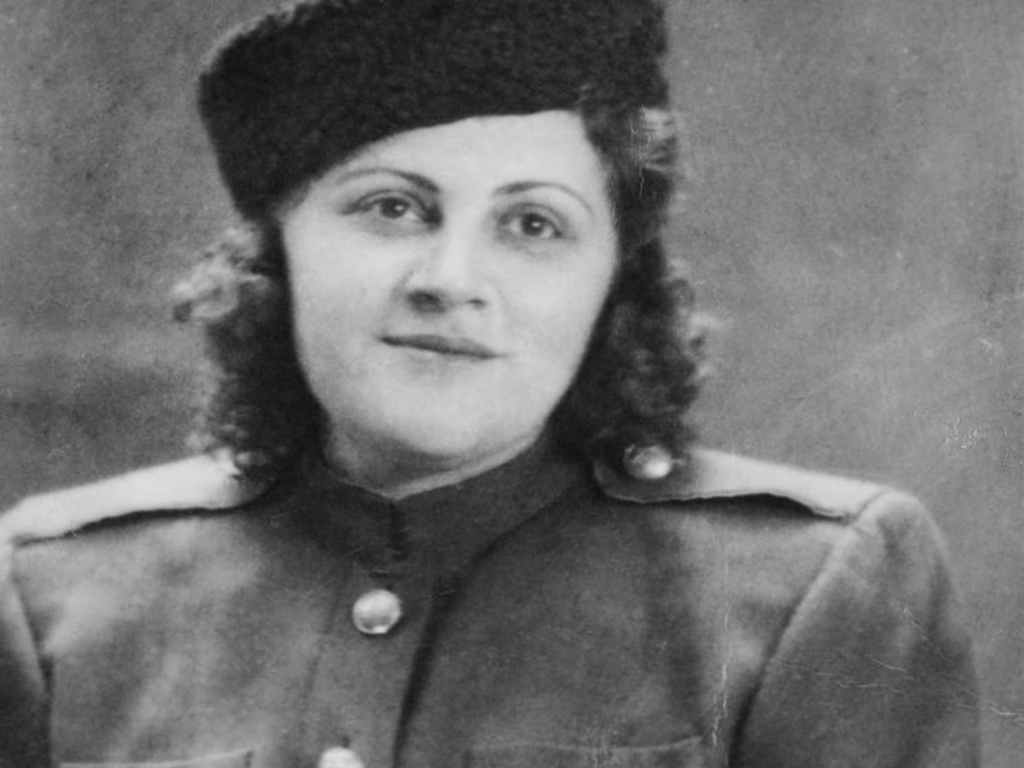
Alice Kertész

Meanwhile in Sweden

Below you can follow what happens to Walter, Eva and Lieselotte.

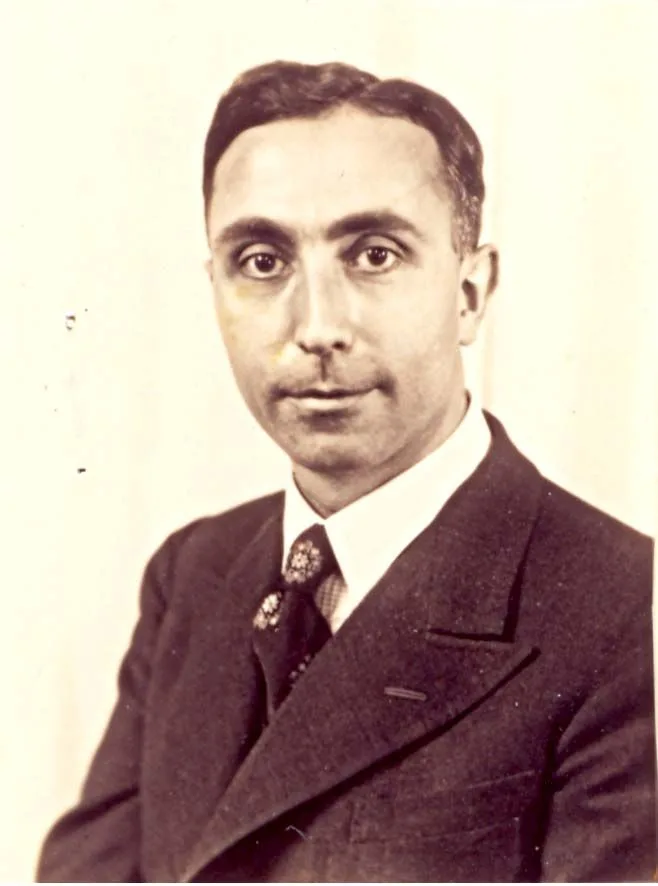
Walter Brünn

Spring 1942 Bondegatan, Stockholm

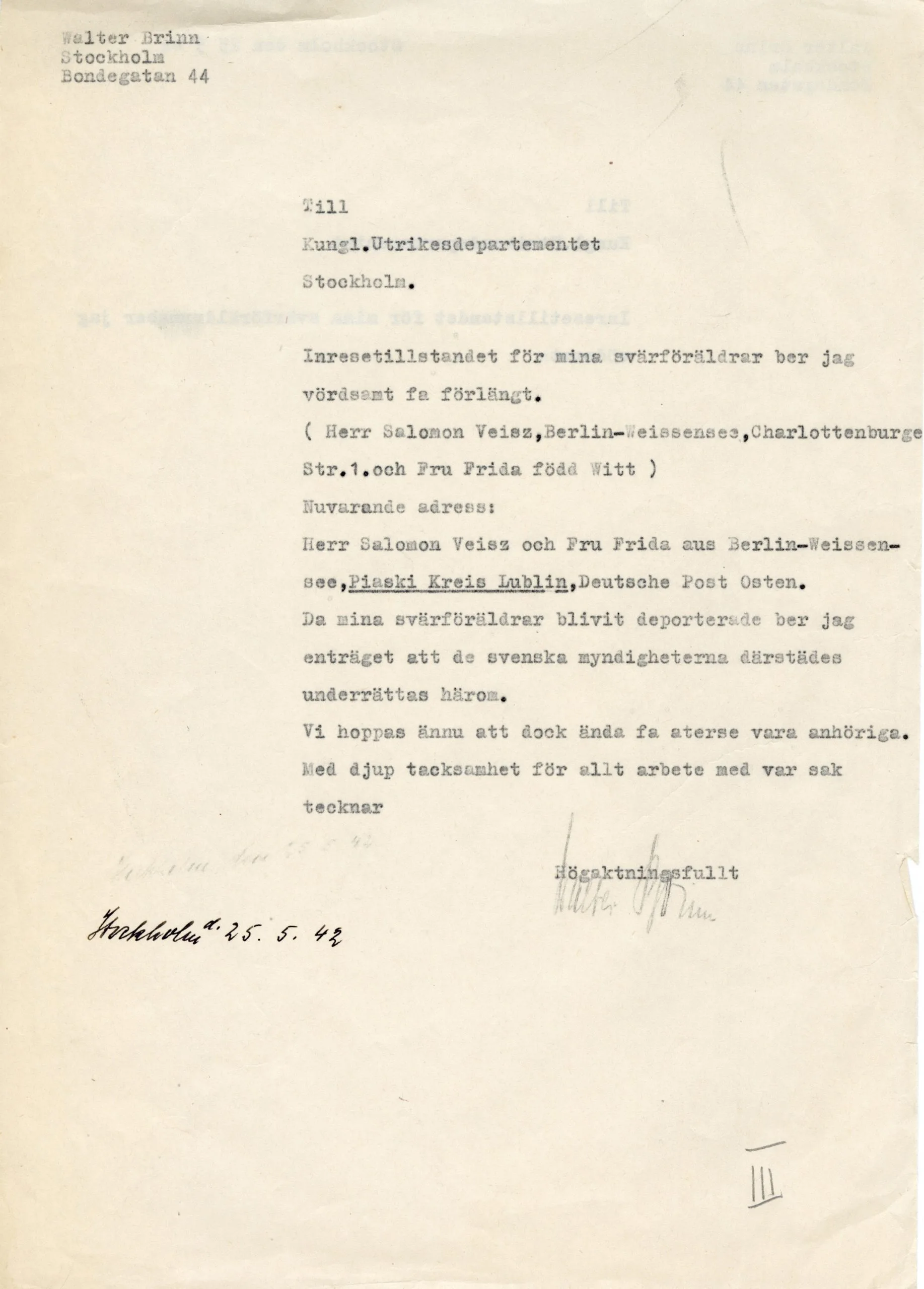
In March of 1942, Walter turns fifty. In the same month, he and Lilli receiveword that her parents, Solomon and Frieda, have been deported from Berlinto Poland. Swedish authorities have granted them entry permits, but Solomon and Frieda are unable to travel to Sweden for the time being.
Lilli’s parents, Frieda and Solomon Veisz, were two of the approximately 65,000 Jews deportedfrom Berlin to ghettos and camps in Eastern Europein 1941 and 1942.

When the Brünns learned that Lilli’s parents had been sent to Poland, they clung to the hope that Frieda and Solomon would still be able to use their entry permits at a later date. Walter wroteto the Swedish Ministry for Foreign Affairs asking for their permits to be extended.

After moving to Stockholm, Walter had initially worked various gardening jobs. Then he found employment as a warehouse assistant at Sandberg’s Bookstore on Humlegårdsgatan. The bookstore’s CEO, Gunnar Josephson, was the leader of Stockholm’s Jewish congregation. The following year, Lilli also got a job as an office assistant at an insurance company. 

Eva Lecerof

Summer 1942 Munkfors, Värmland

Eva is six years old and already attends school. She, her mother and brother Walter have moved into their own apartment. Elsbeth works in various households, teaches German, French and mathematics and gives violin lessons.Eva’s father Gottfried has been moved to another camp in France, but continues to write to them.

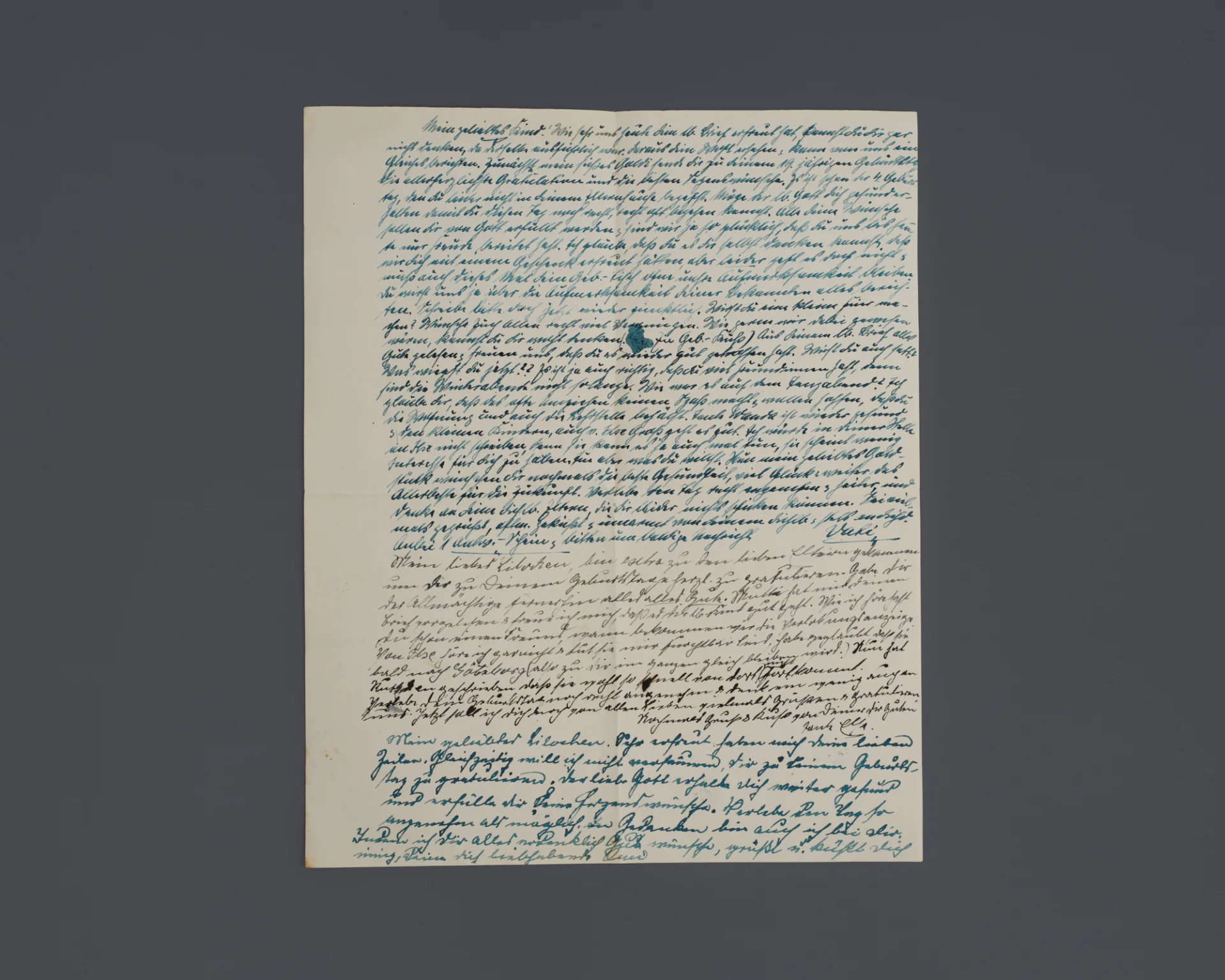
On 28 July 1942, Gottfried wrote one of his many letters from the French internment camp to his family in Munkfors. He wroteabout his job planting tomatoes and corn. He asked if the children were growing a lot and whether they had enough clothes. He also askedElsbeth to make new contacts in Sweden, so that he could get a job and thus a residence permit. ”You must try everything”, he wrote.

Then Gottfried’s letters stopped coming. In December 1942, a message arrived from the international Red Cross: Mr. Gottfried Israel has left the camp for an unknown destination, along with many other internees.

Lieselotte Jacks

Summer 1943 Gothenburg

Lilo has not heard from her parents for quite some time. A card arrives from her grandmother, but she is no longer back home in Berlin. The card is postmarked in Theresienstadt.

“My dearest Lilochen, I am pleased to tell you that I am healthy and doing well. Surely you must know how often my thoughts are with you. . (…) Have you had any news from your parents? Please write to me soon. With the warmest greetings and kisses from your adoring Granny, Rosalie Jacks”

Lilo’s grandmother was among the elderly Jewish residents of Berlin who were deported to Theresienstadt, in what is now the Czech Republic. The Nazis used Theresienstadt as a model camp and occasionally allowed the outside world a glimpse of life inside the camp. Nevertheless, living conditions were very poor. Many of those imprisoned there died of starvation and disease.

In the summer of 1943, Lilo was nineteen years old. During the years 1943–1944, she worked several different jobs in the textile industry before starting a new career as the matron of Lorensberg Restaurant in the summer of 1945.

Continue exploring Seven Lives

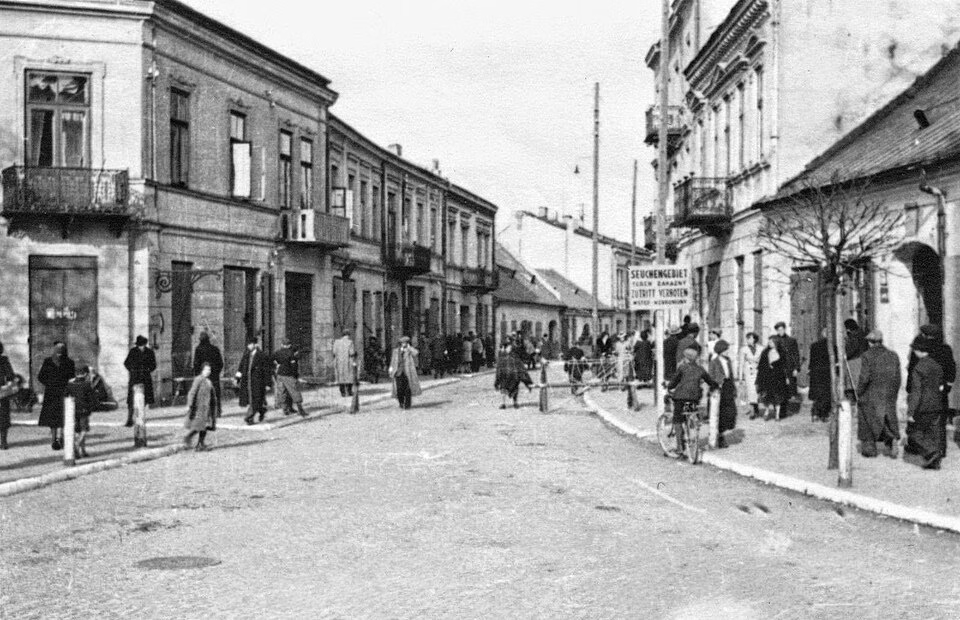
Occupation and ghettos

Extermination camps and death marches

The Swedish Holocaust Museum online

Experience what the Swedish Holocaust Museum’s can offer digitally.

Black-and-white photo.