The occupation of ghettos
In August 1939, Nazi Germany and the Soviet Union agreed to divide Poland between them. Nazi Germany invaded Poland on September 1. Two days later, France and Britain declared war on Nazi Germany. On September 17, the Soviet army entered eastern Poland, in areas that are now Ukraine and Belarus. By early October, Poland was defeated.
There were about 3.3 million Jews in Poland in 1939. During the war years, they were severely affected by Nazi persecution and murder. When World War II ended, only about 380,000 Polish Jews were left alive. In addition to the Polish Jews, about 2 million more Polish citizens were murdered by the Nazis, among them political opponents and Polish intellectuals.
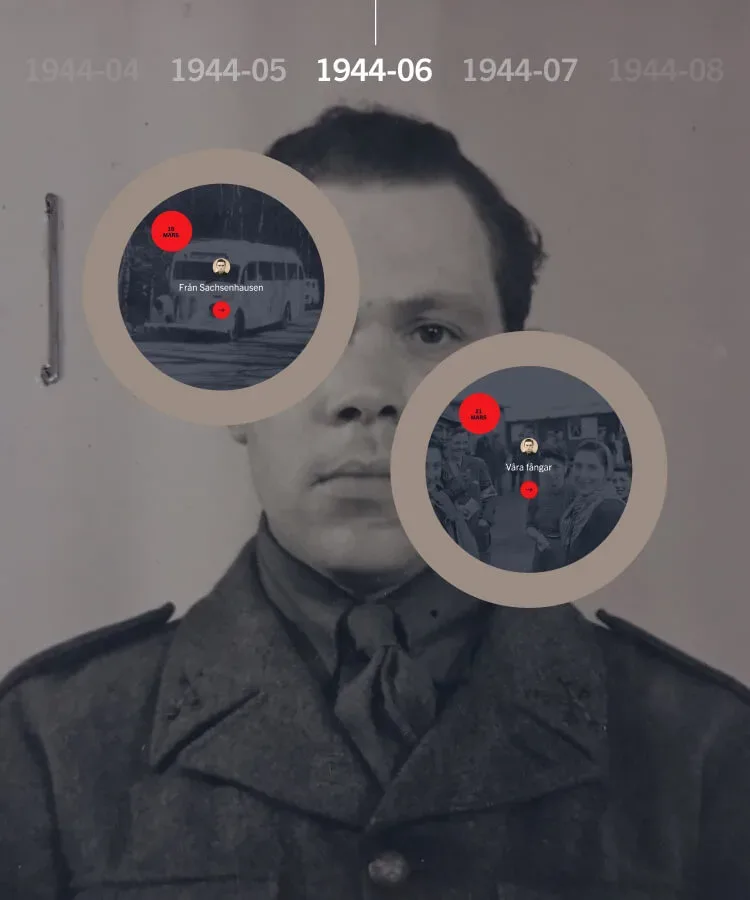
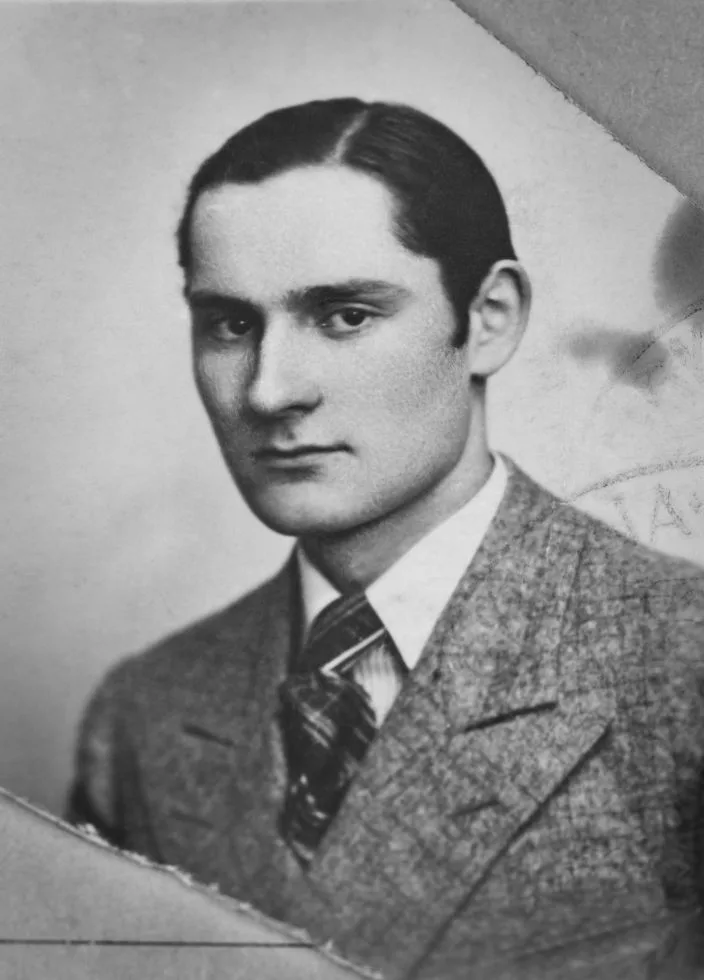
Czesław lived in Poland with his wife, when Germany attacked Poland, Czesław was sent to the front. He later ended up in Soviet captivity, but was released and returned to Poland. In 1943, he was arrested without warning by the Gestapo.
Ghettos
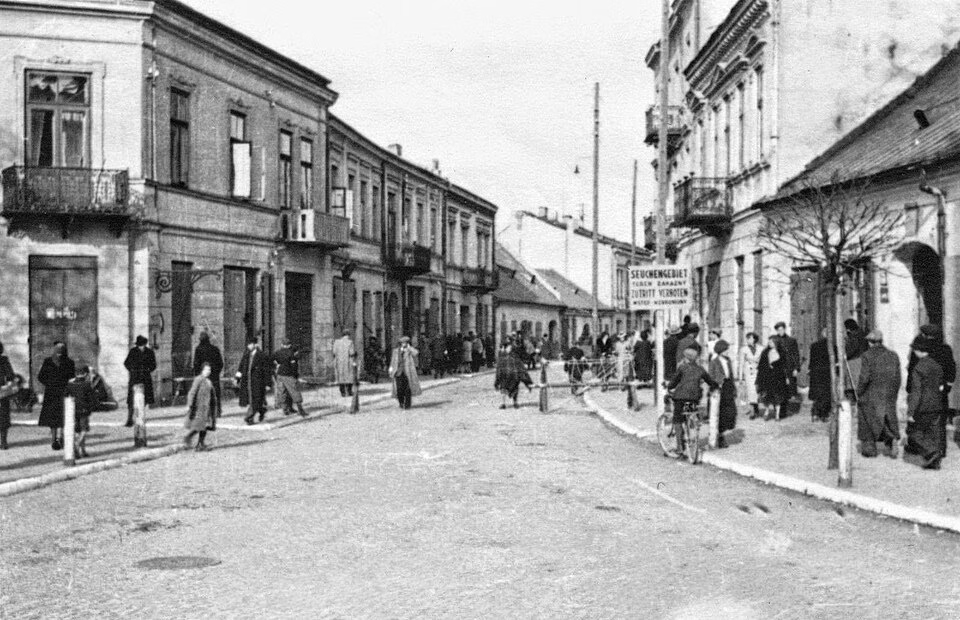
After the occupation of Poland, the Nazis began to create so-called ghettos in the Polish cities. They forced Jews to live in small, limited parts of the cities. Over time, most of these ghettos were fenced off and enclosed. In some of the ghettos, the Warsaw Ghetto for example, there were also groups of Roma.
The inhabitants were forced to work in the ghetto factories, both for private companies and for the German war industry. Overcrowding, disease and starvation were part of everyday life in the ghetto and the number of deaths was extremely high. From the spring of 1942, many ghettos also served as assembly points when the Nazis deported Jews and Roma to extermination camps.
Kiwa grew up in a Jewish family in Kielce, Poland. After the outbreak of the war, the Nazis began persecuting Jews and Kiwa's family tried to hide. But after a while, Kiwa ended up in the Kielce ghetto with her mother.