Concentration camps in Nazi Germany
From 1933 onwards, the Nazis developed concentration camps. The first prisoners were political opponents and people the Nazis saw as social problems. The prisoners were used for forced labor and were subjected to violence, abuse, and malnutrition.
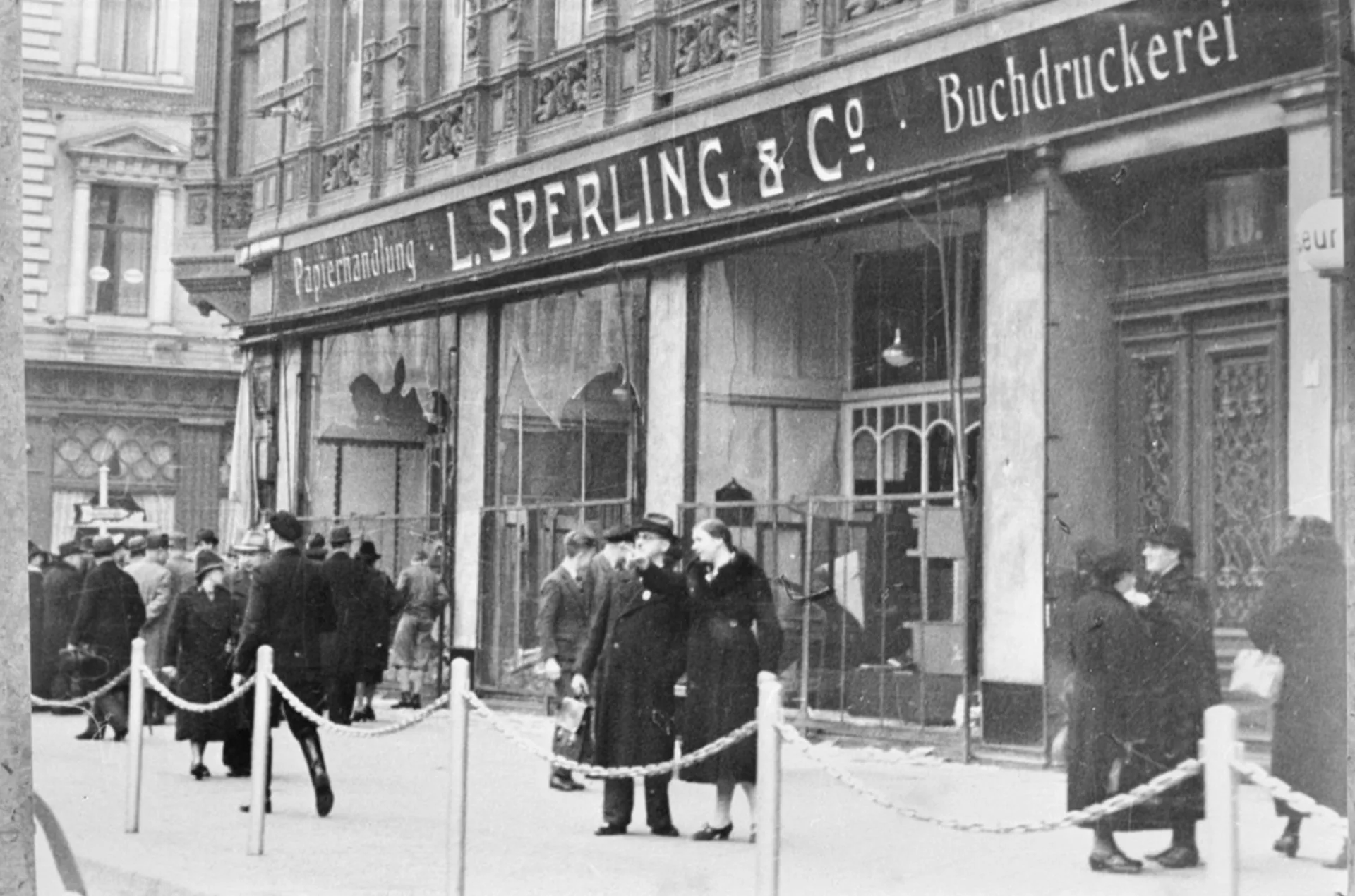
The Sachsenhausen concentration camp outside Berlin opened in 1936. During the November Pogrom of 1938, the Nazis brought 6,000 Jewish men to Sachsenhausen. Most of them were released if they promised to leave the country. The German concentration camps were the model for the vast system of camps that the Nazis developed in the following years.
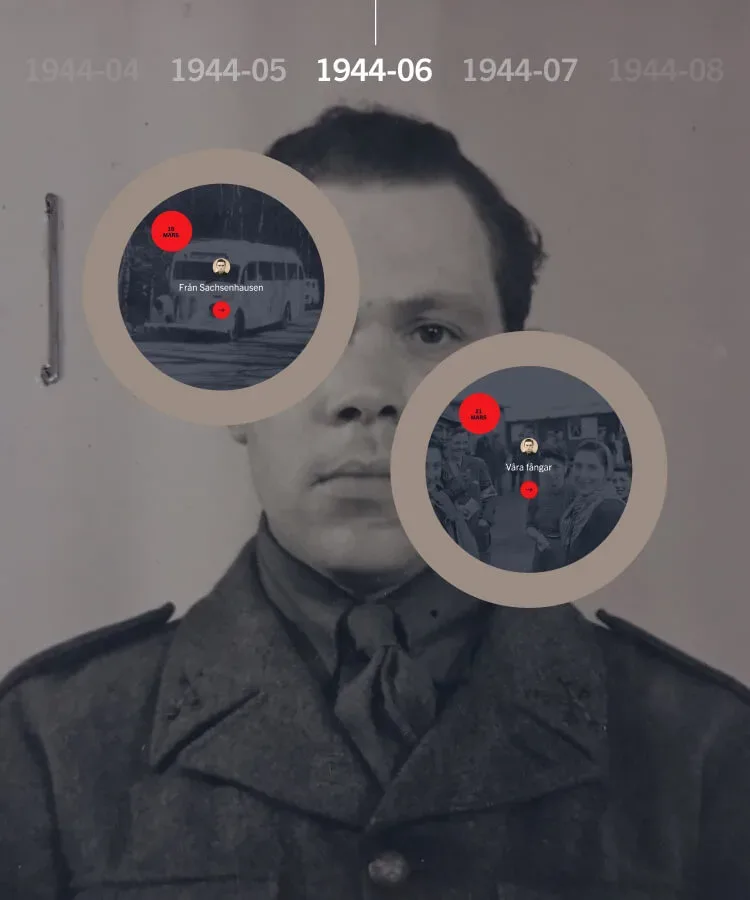
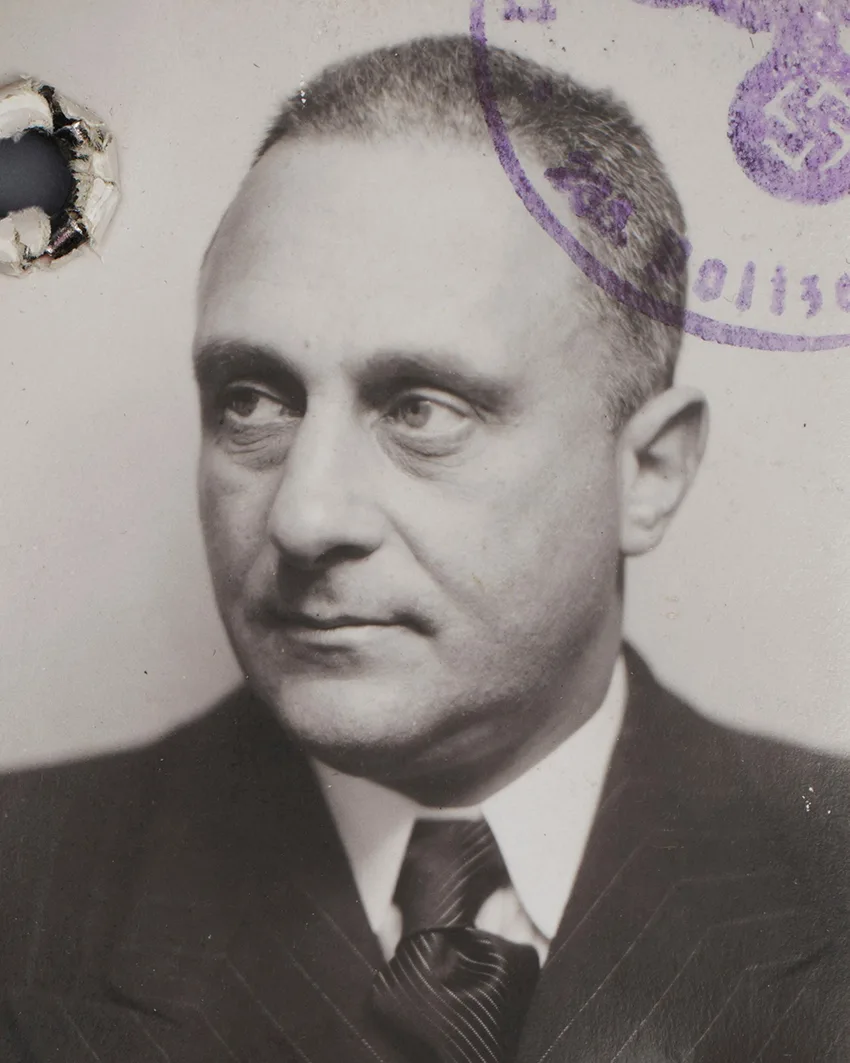
Walter Brünn lived with his wife Lilli in Berlin. Walter was forced to the Sachsenhausen concentration camp because he was Jewish.
The November Pogroms
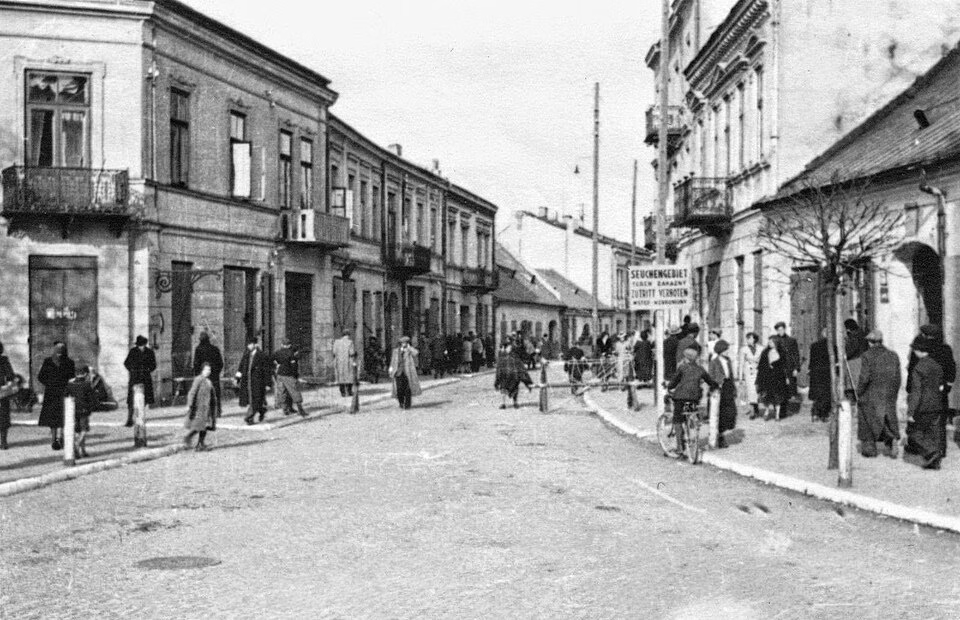
The November pogrom took place during one week in November 1938. Nazis looted and destroyed Jewish homes and shops all over Nazi Germany. The violence was at its worst on the night between 9 and 10 of November. The word pogrom means violent persecution of Jews. It began to be used in Russia in the 1800s.
More than 1,400 synagogues were burnt down. The police and Nazis imprisoned 30,000 Jewish men and took them to concentration camps. About 1,500 Jews were murdered or committed suicide. The Nazi leadership was behind the November pogrom. But many Jewish families and business owners found that their neighbours and former customers took part in the persecution and destruction.
On the morning of November 10, SS Soldiers entered Eva's kitchen, looking for her father Gottfried.
Kindertransport (Children’s transport)
After the November Pogrom of 1938, Jewish organizations began rescue operations for Jewish children. Several countries allowed the children to enter the country on the condition that they came without their parents. Approximately 10,000 children came to Britain during the years 1938–1940.
Sweden accepted approximately 500 children, aged three to fifteen years within a special refugee quota, the child quota. The decision was made after the Jewish community in Stockholm had courted the Minister of Foreign Affairs and the National Board of Health and Welfare. Sweden had one requirement for children to be allowed to enter the country, that was that organizations or private individuals covered all costs.
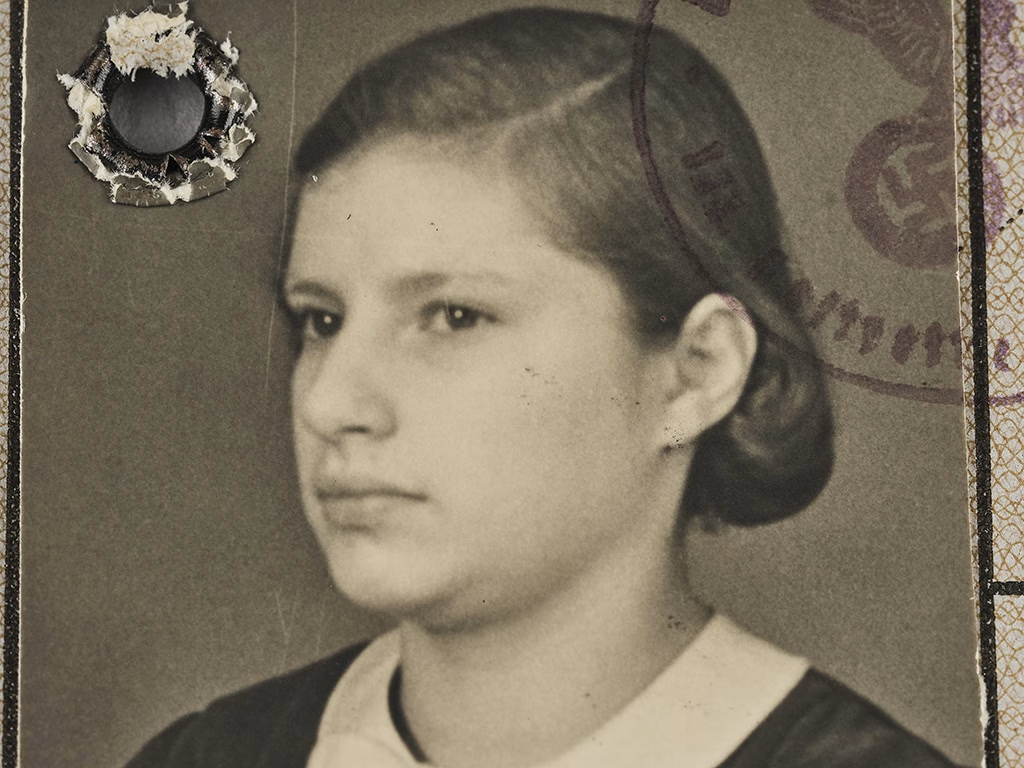
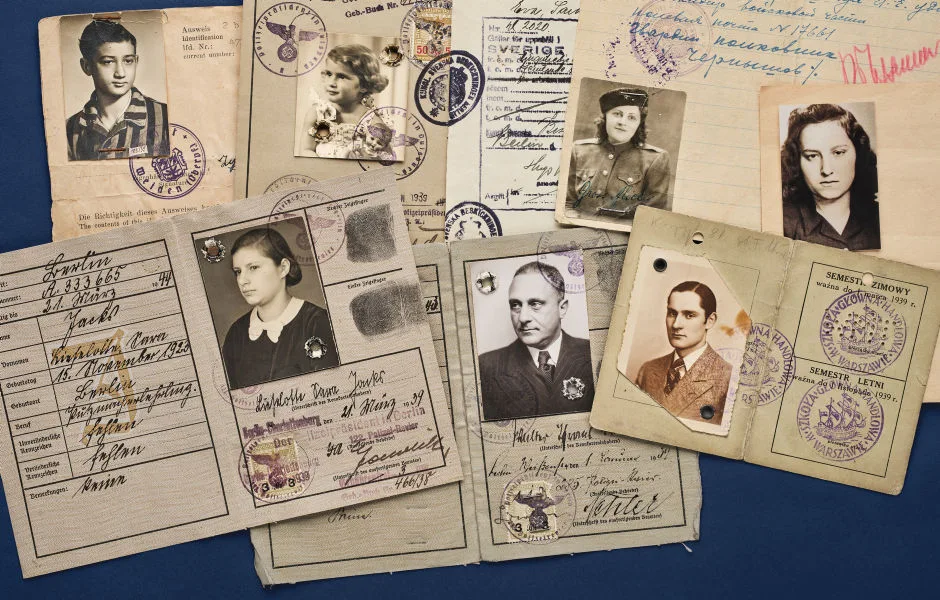
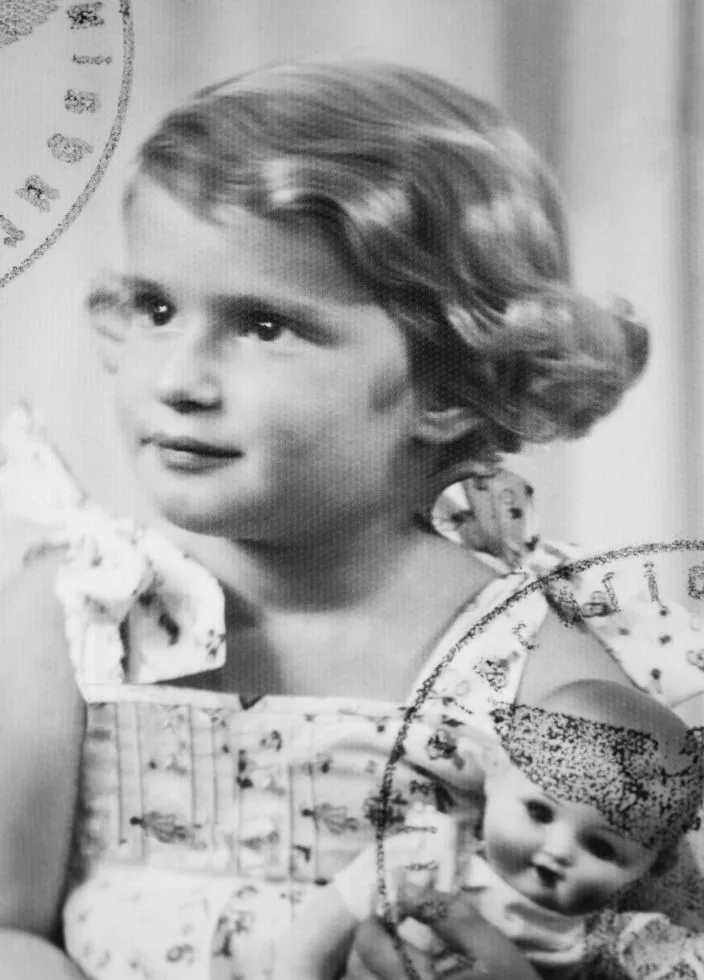
Lieselotte Jacks grew up in Berlin with her mother and father, when she was 15 years old she came to Sweden with the Kindertransport.