Walter Brünn
Walter, 1938 Berlin, Germany
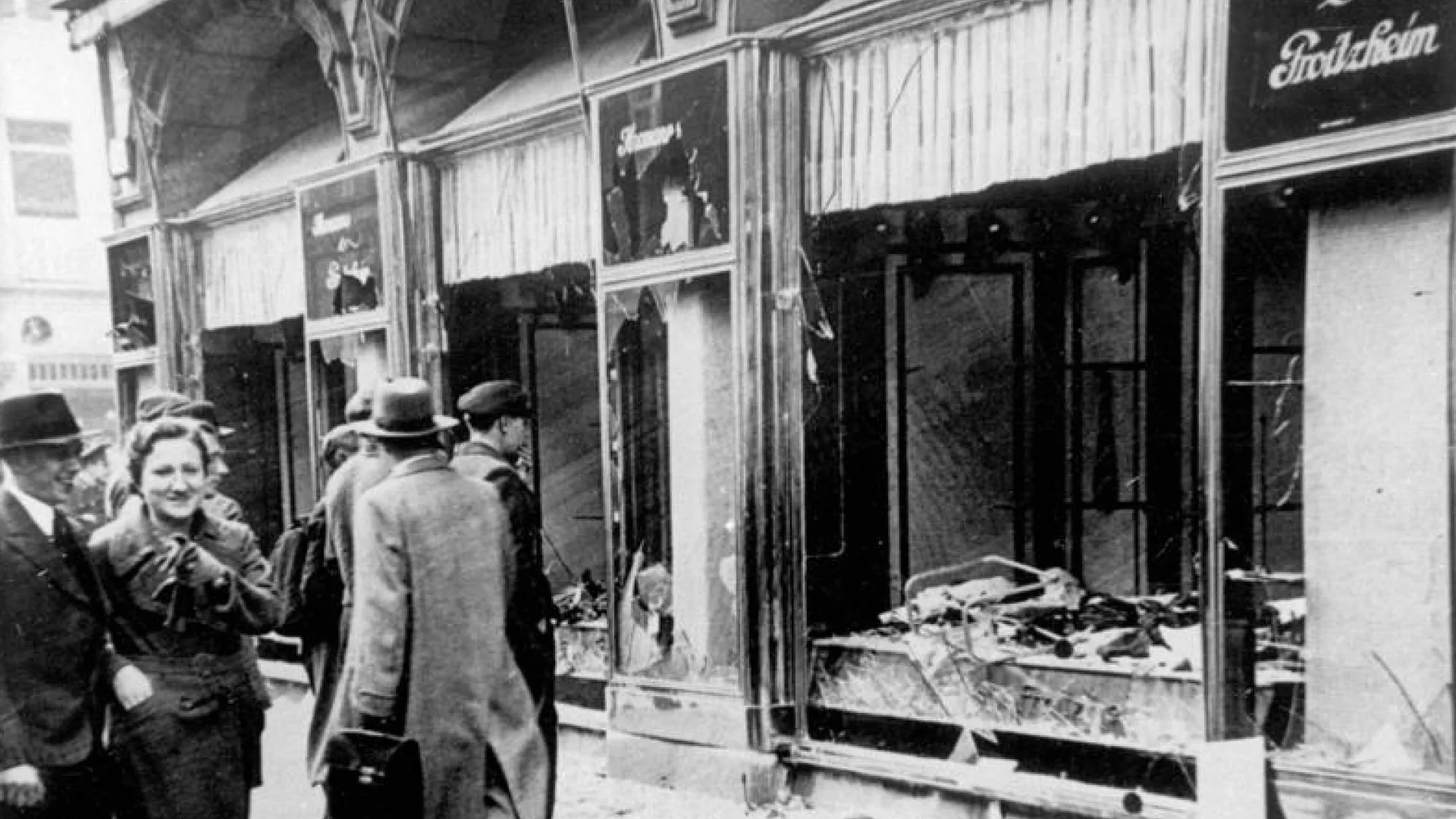
Walter and Lilli Brünn lived in Berlin, where Walter ran a successful department store that Walter had taken over from his father. Like many other Jewish men, Walter was imprisoned in connection with the November Pogrom of 1938, when synagogues, Jewish shops and homes were destroyed throughout Nazi Germany.
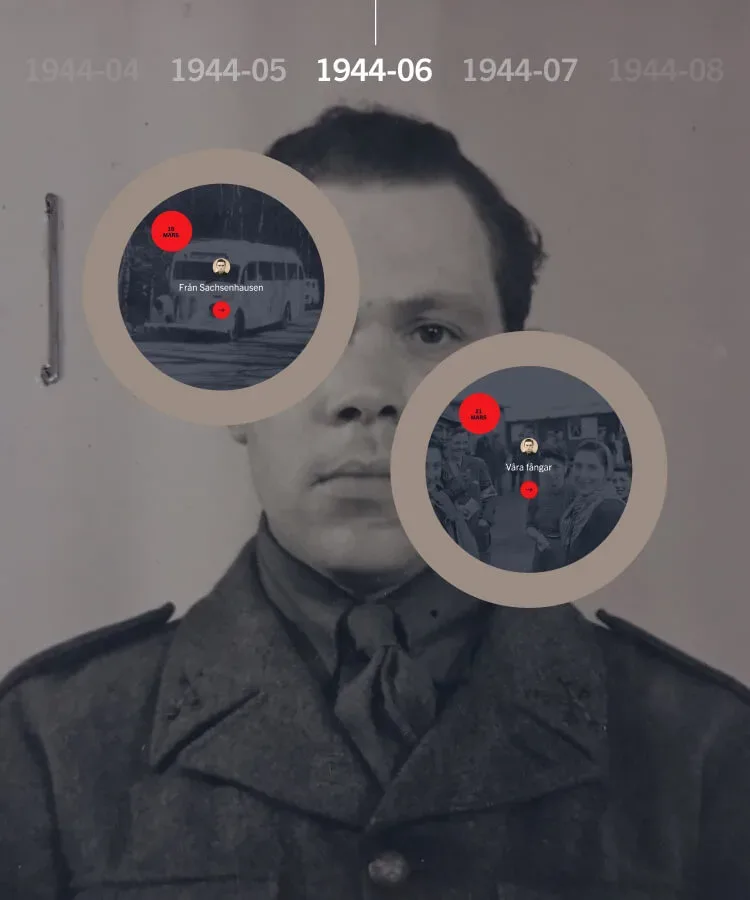
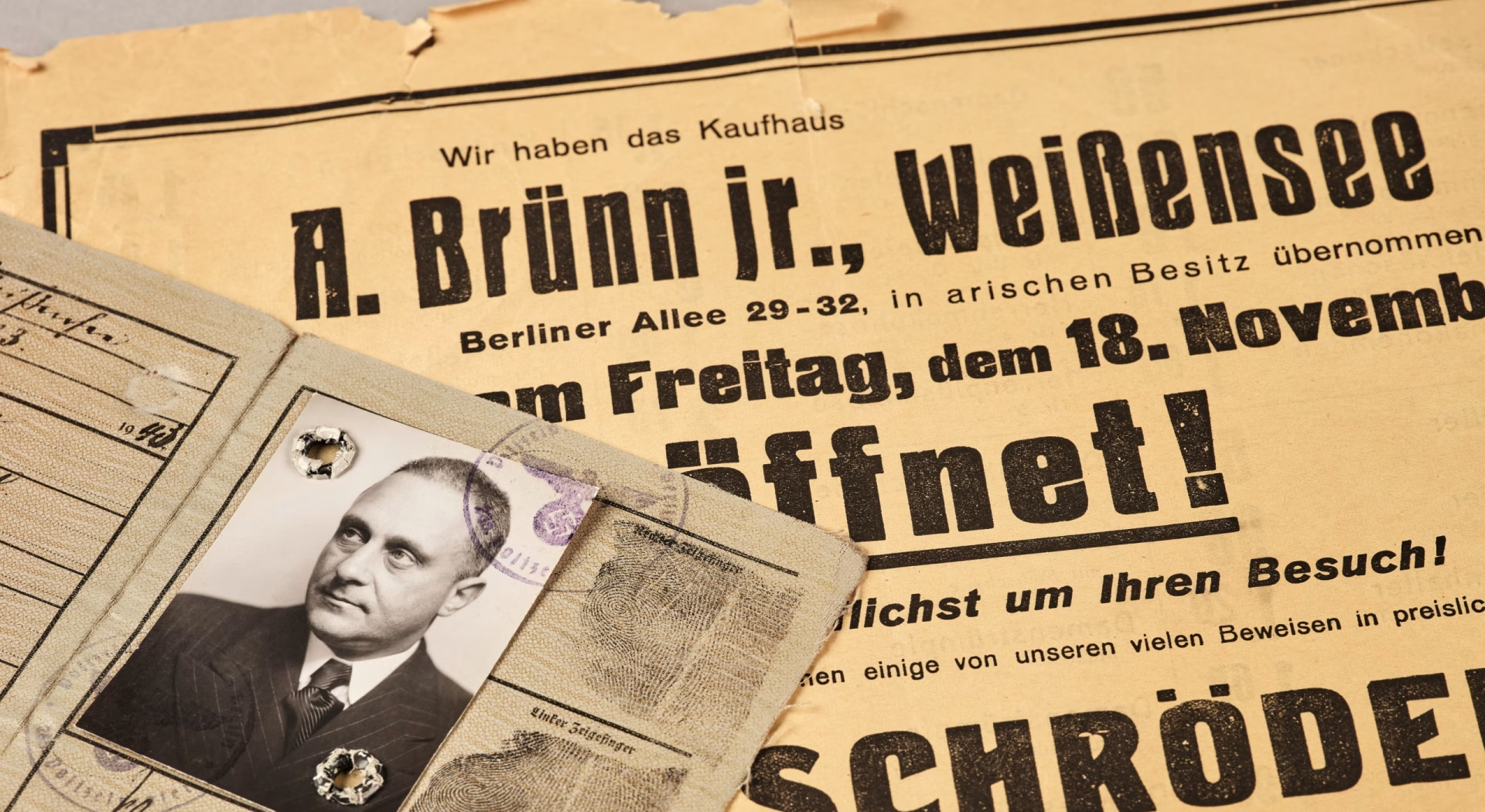
Walter was put in the Sachsenhausen labor camp, forty miles north of Berlin. He had committed no crime. The Nazis arrested him because he was Jewish. In order to be released, Walter was forced to hand over his department store to a so-called Aryan German. After two weeks in Sachsenhausen, Walter was released and a new owner took over the family business.
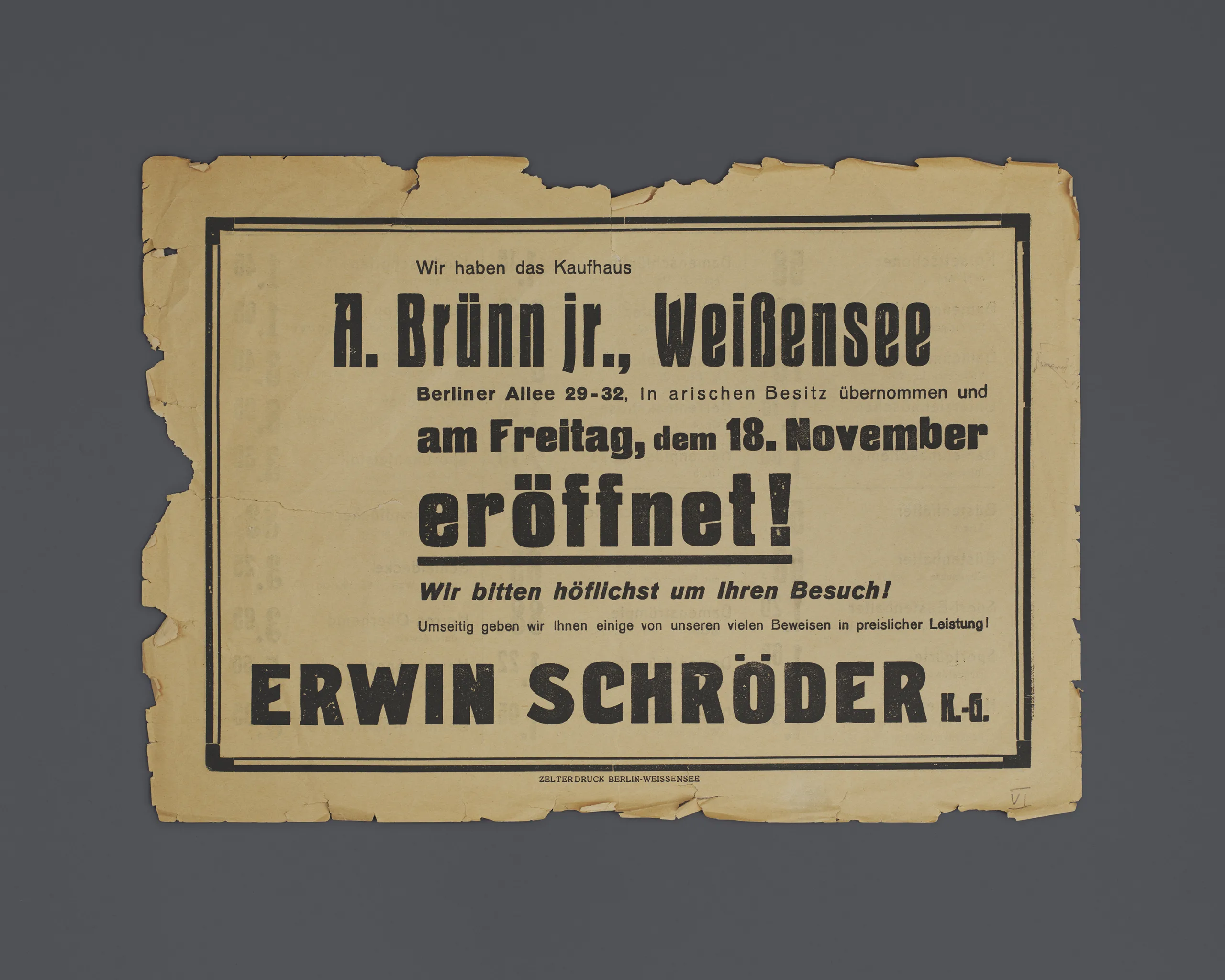
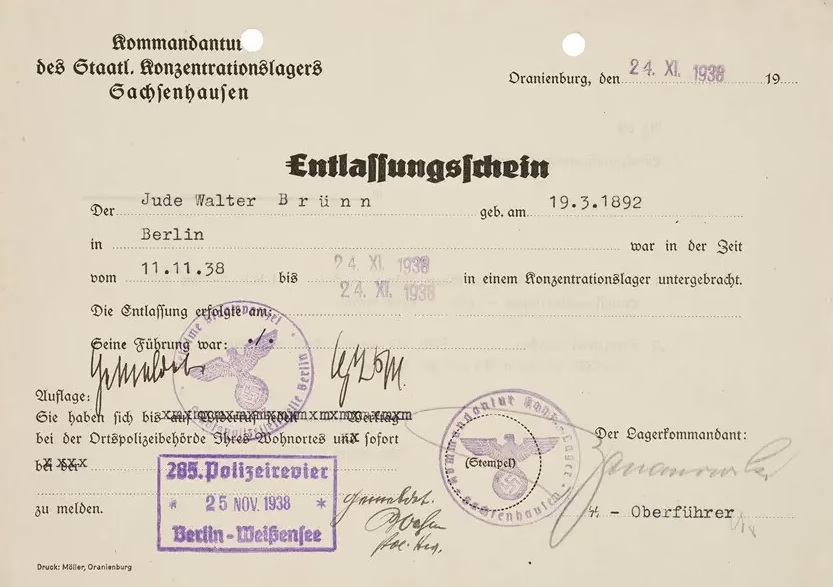
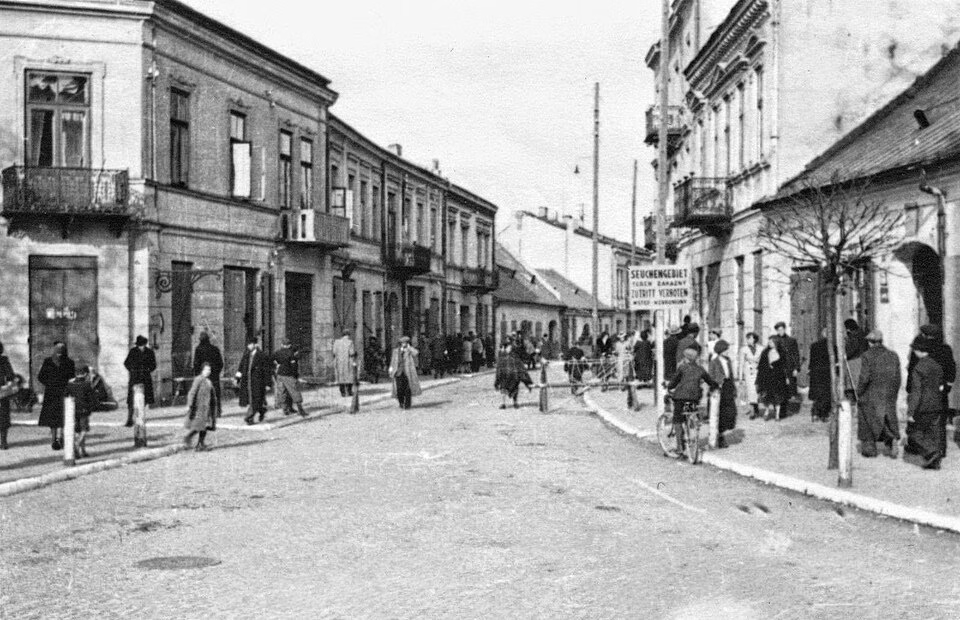
Part of Nazi Germany's anti-Jewish policy during the 1930s involved excluding Jews from the labor market, by seizing their businesses and banning Jews from working in various professions. The Nazis wanted to make it difficult for Jews to live in Germany. More and more Jews tried to emigrate, but were denied permission to enter other European countries or the United States. The border with Sweden was never closed, but it was more difficult for Jewish refugees to obtain a residence permit than for non-Jews.
The Brünn couple no longer had any way of supporting themselves. The Nazis' persecution of German Jews was a growing threat. They were forced to leave their homeland and seek residence permits in another country.
Walter and Lilli, 1939 Berlin, Germany
Walter received a permit to enter Sweden in the summer of 1939 and left Berlin in August. In September of the same year, Lilli received notice that she too had permission to enter Sweden. The couple moved into an apartment on Södermalm in Stockholm.
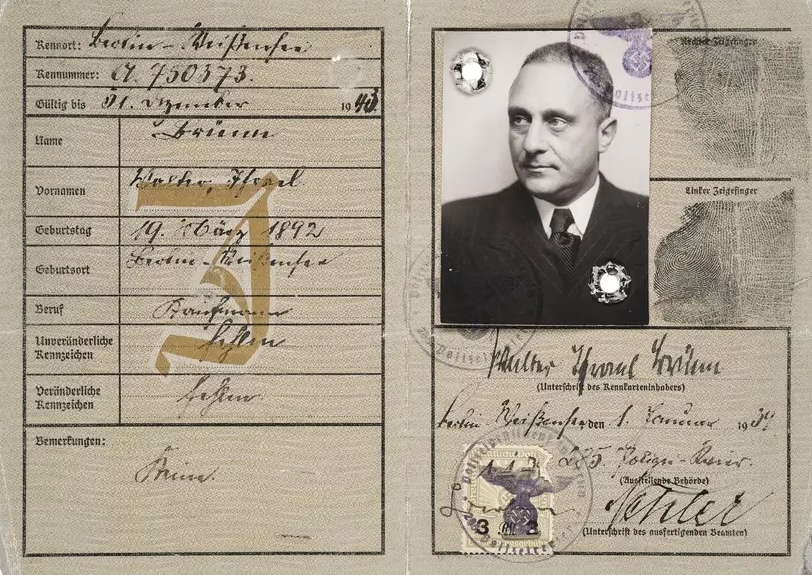

The identity cards were issued on January 1, 1939. Walter's ID card also contains the surname "Israel" and Lilly's card contains the given name "Sara". In 1938, a law was passed in Nazi Germany that made Israel a mandatory name for all Jewish men. The ID documents of all German Jews were marked with a "J".