Auschwitz – Birkenau
Auschwitz was a whole system of different camps. Auschwitz II, or Auschwitz-Birkenau, was built in the autumn of 1941. In the spring of 1942, Auschwitz-Birkenau became a combined concentration, labour and extermination camp. Later that year, the expansion of four large crematoriums and gas chambers began and these were put into operation in the spring of 1943.
Most of the prisoners who came to the camp were taken straight from the train to the gas chambers. About 1.1 million prisoners were murdered in the camp, including about 1 million Jews. There was a special Roma section in the camp. On the night between 2 and 3 August 1944, the SS guards emptied the Roma section and took almost 4,300 Roma to their deaths in the gas chambers.
Auschwitz was liberated by the Soviet army on 27 January 1945.
Various prisoners in the camps
From 1942 onwards, many of the Nazi camps were used primarily to systematically murder Jews. But the camps also contained people who were imprisoned for other reasons. Jews and political opponents were identified as enemies of society. Other people were seen as social problems or, according to the Nazis, a threat to the “Aryan race”. The Nazis therefore also imprisoned Roma, Slavs, people with disabilities, Jehovah’s Witnesses, homosexuals, prostitutes and criminals.
Different types of prisoners were treated differently. Food rations varied, punishments could be harsher or lighter. Some were assigned to guard their fellow prisoners, others were tortured to death with demanding physical labor. Some prisoners could send and receive letters and food parcels, while others were completely cut off from the outside world.
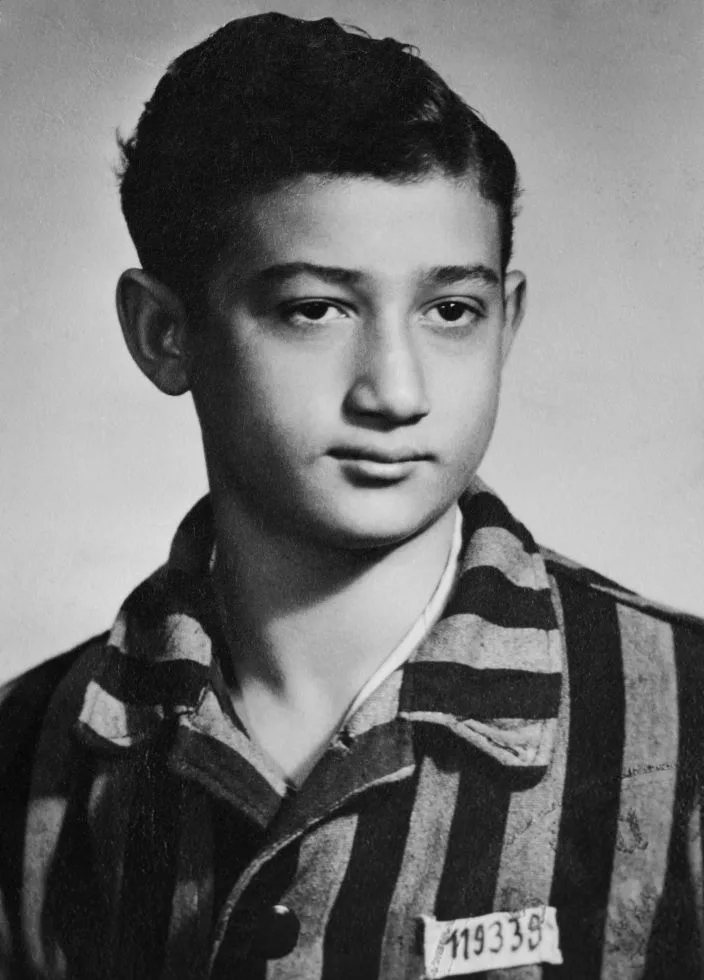
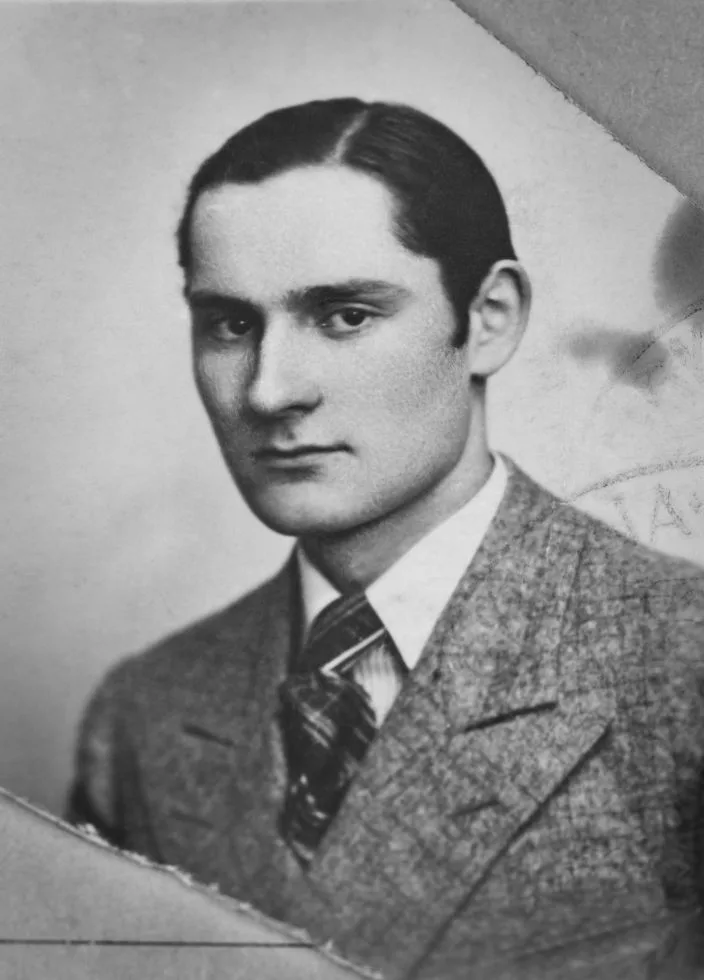
After Czesław was arrested by the Gestapo, he was taken to the Auschwitz-Birkenau concentration and extermination camp as a political prisoner.
Majdanek
Majdanek, outside Lublin in Poland, was to begin with a camp for Soviet prisoners of war. In the spring of 1942, the Nazis began their large-scale murder of European Jews. Majdanek became a combined labour and extermination camp. Gas chambers were built in the camp, where prisoners were murdered with the gas Zyklon B and carbon monoxide. About 80,000 people were murdered in Majdanek. Most were shot or gassed to death.
Before the Soviet army liberated the camp in July 1944, the Nazis began moving prisoners to other camps and to forced labour in the German war industry.
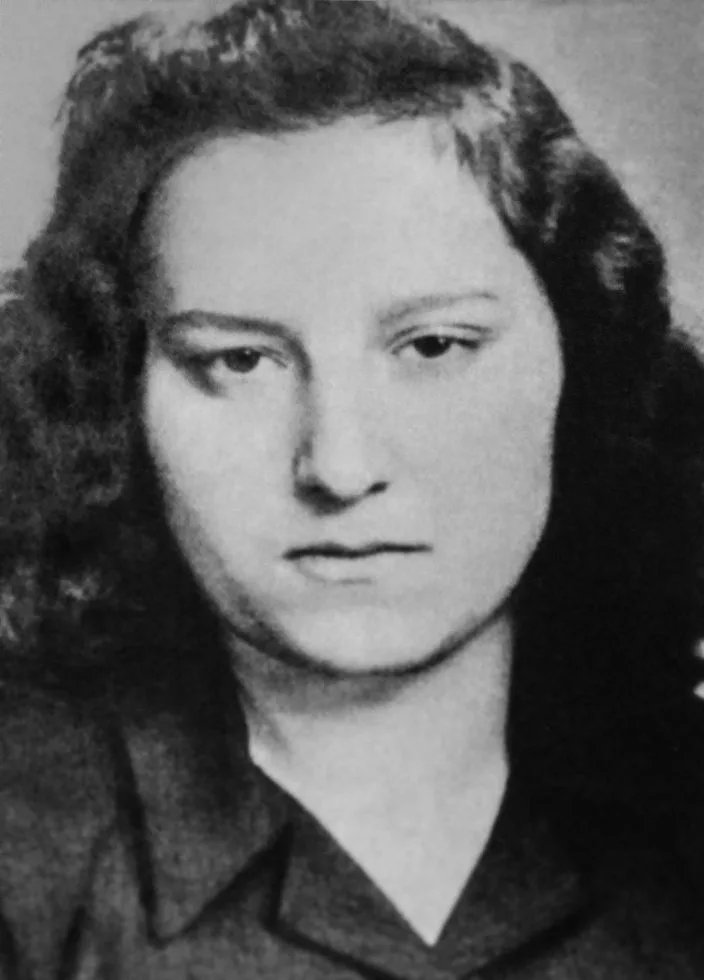
Hanna was only 11 years old when she was registered in the Roma section of Auschwitz-Birkenau in the spring of 1943. Hanna was then transferred between several different camps and finally ended up in the Majdanek extermination camp.
Death marches
Part of the liquidation of the camps was to kill those who were weak. The rest were forced to walk to other camps more centrally located in Germany. Tens of thousands of people died during the so-called death marches. Those who could not continue walking were shot. Many also died of cold, disease and exhaustion.
In 1945, Kiwa was forced to go on a death march without rest or food for almost two days.