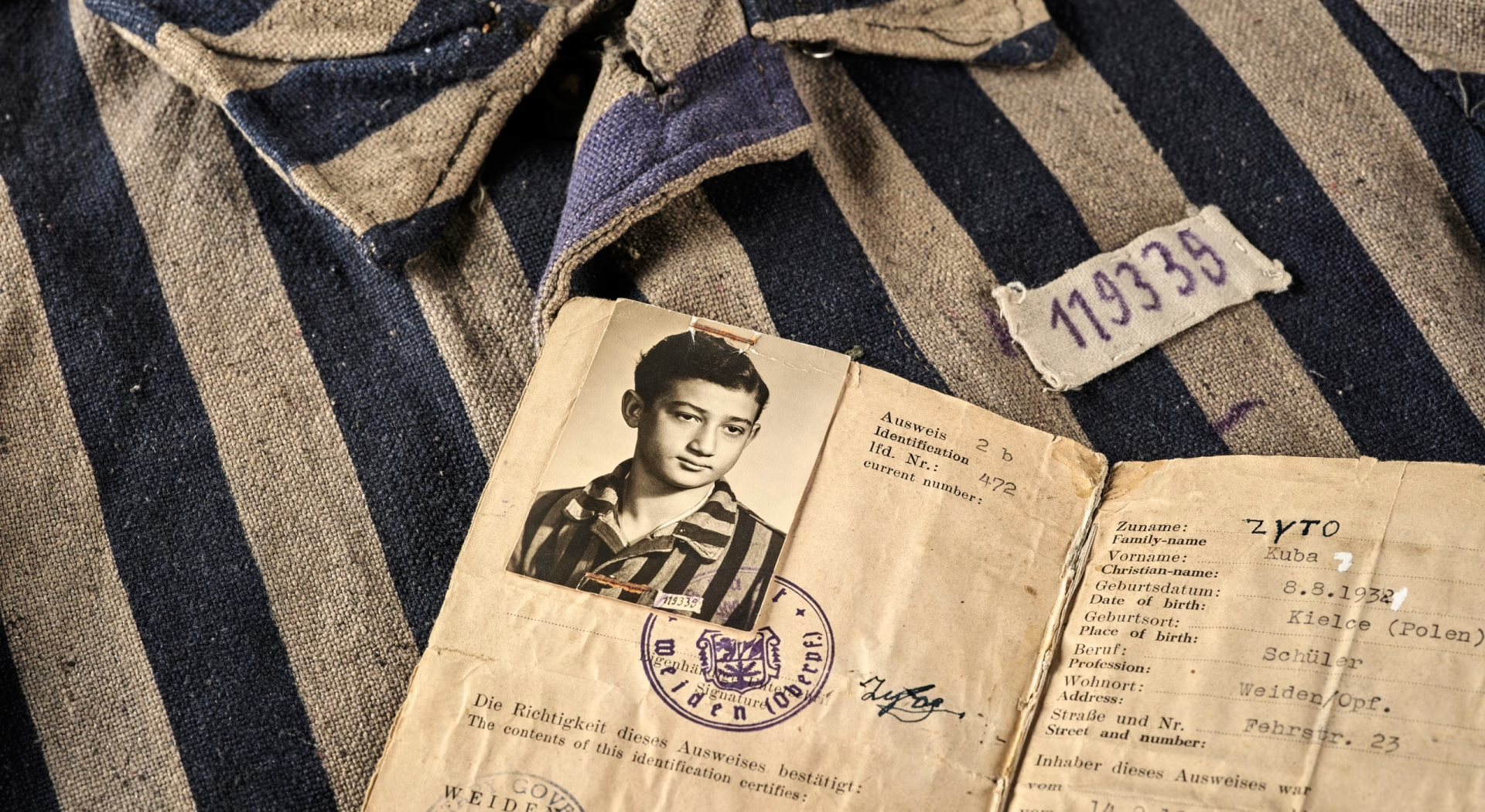
Kiwa Zyto
Kiwa, 1944 Auschwitz-Birkenau, Poland
That night, Kiwa slept in a large barrack full of children, the sick, and the elderly. It was so crowded in the barracks that he could scarcely roll over. When Kiwa woke up the next morning, the man next to him had died in his sleep.
High up near the ceiling of the barracks there were windows, and after two days without food Kiwa decided to try to escape. His fellow prisoners helped him clamber up and out onto the rooftop. He jumped down and ran into the barracks next door. It housed Jewish prisoners who had been deemed able to work. They hid Kiwa.
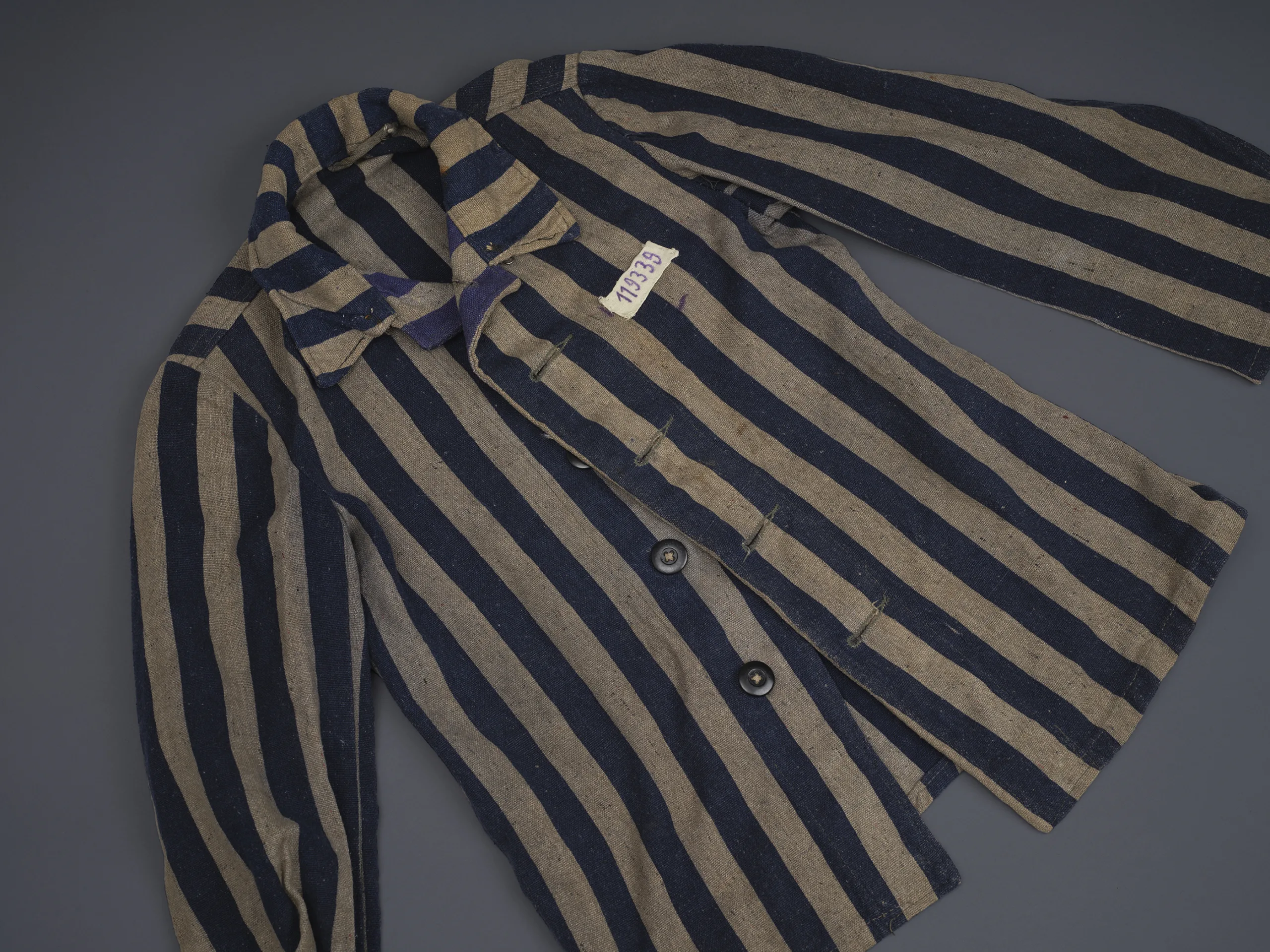
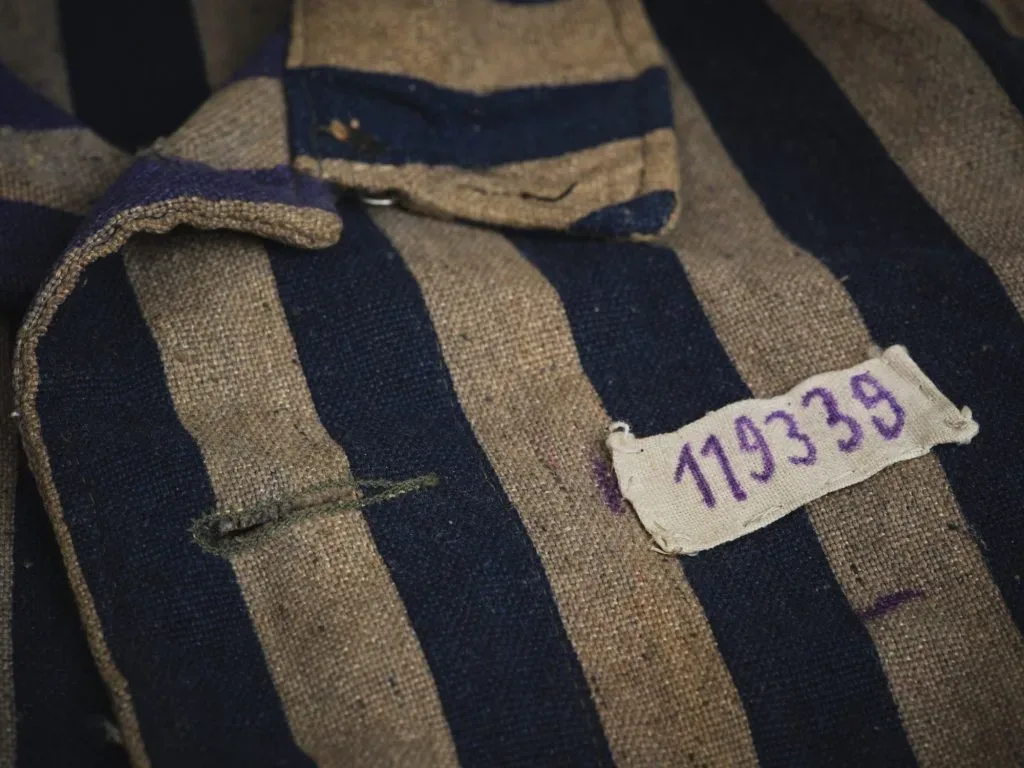
Some time later, Kiwa heard a rumour that some of the camp’s prisoners were to be transported to other locations. Deciding he had nothing to lose, he joined the group. Together with the other prisoners, he was herded aboard a train. Before long, it was rolling out of Auschwitz-Birkenau.
May 1945 Germany, death marches
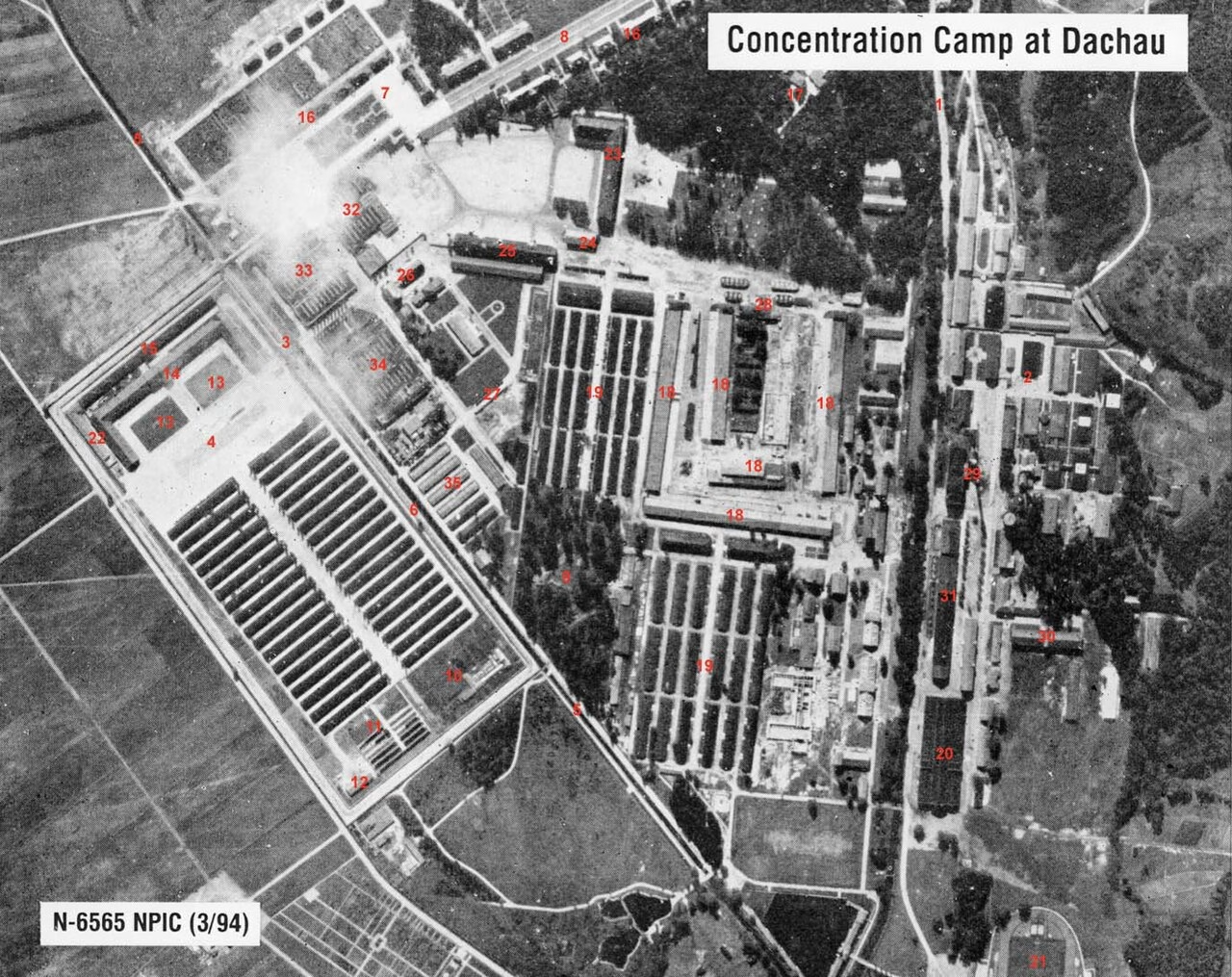
From Auschwitz-Birkenau, Kiwa was sent to the Dachau labor camp. He was later transferred to a camp in Landsberg. From there he and the other prisoners were ordered to walk on a so-called “death march.”
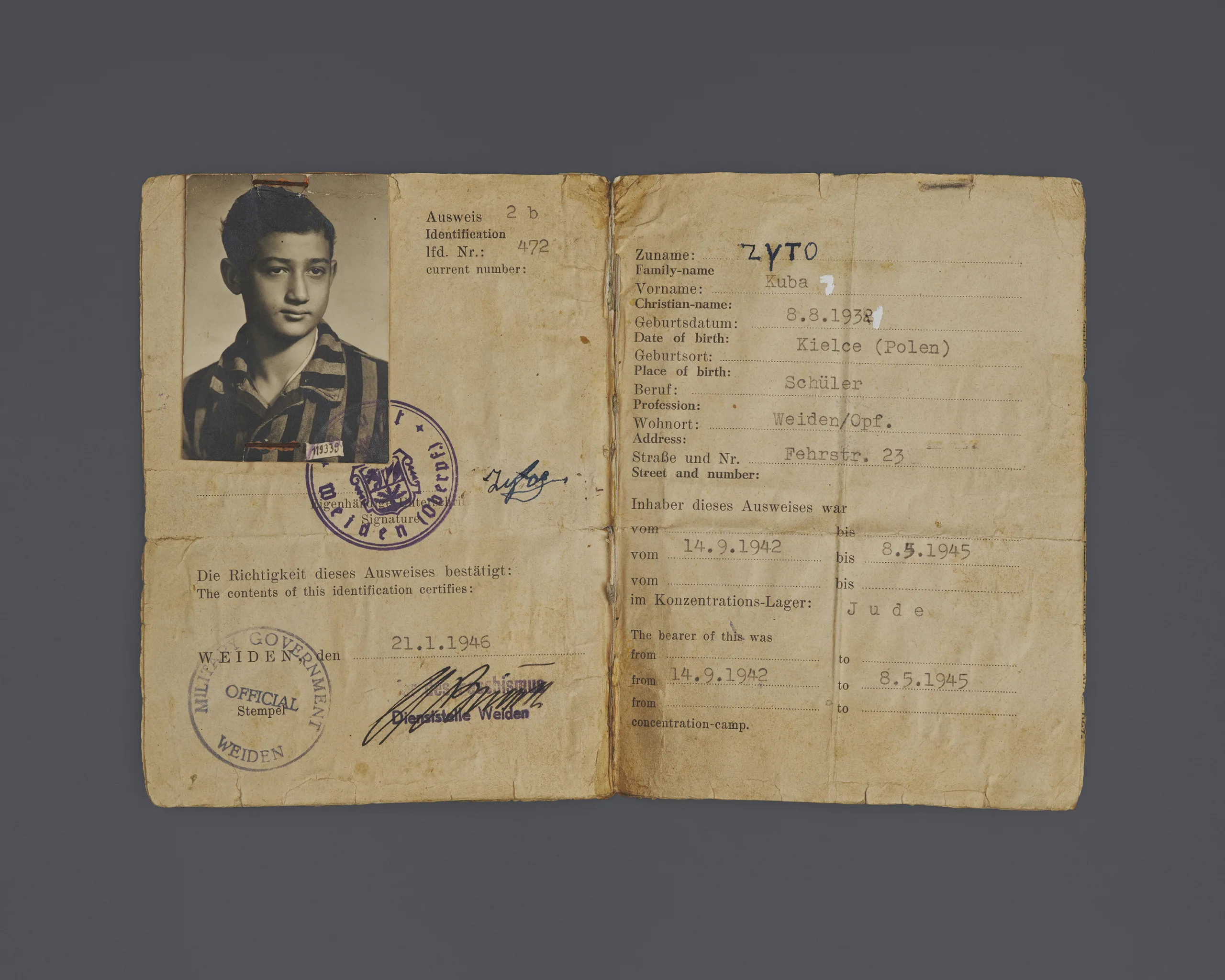
The guards ordered Kiwa and the other prisoners to line up. They forced them to march for many hours. Some prisoners where so exhausted that they lay down on the roadside. Others tried to escape by pretending they were dead. But a truck full of SS officers trailed the marching prisoners, ready to shoot anyone who lay down or falled behind.
After walking for nearly two days without food, they were finally allowed to rest. Kiwa fell asleep. When the prisoners awoke the next morning, the guards had vanished. They were free. Everyone ran in different directions. Kiwa searched abandoned houses for food and clothing.