Swedish rescue operations
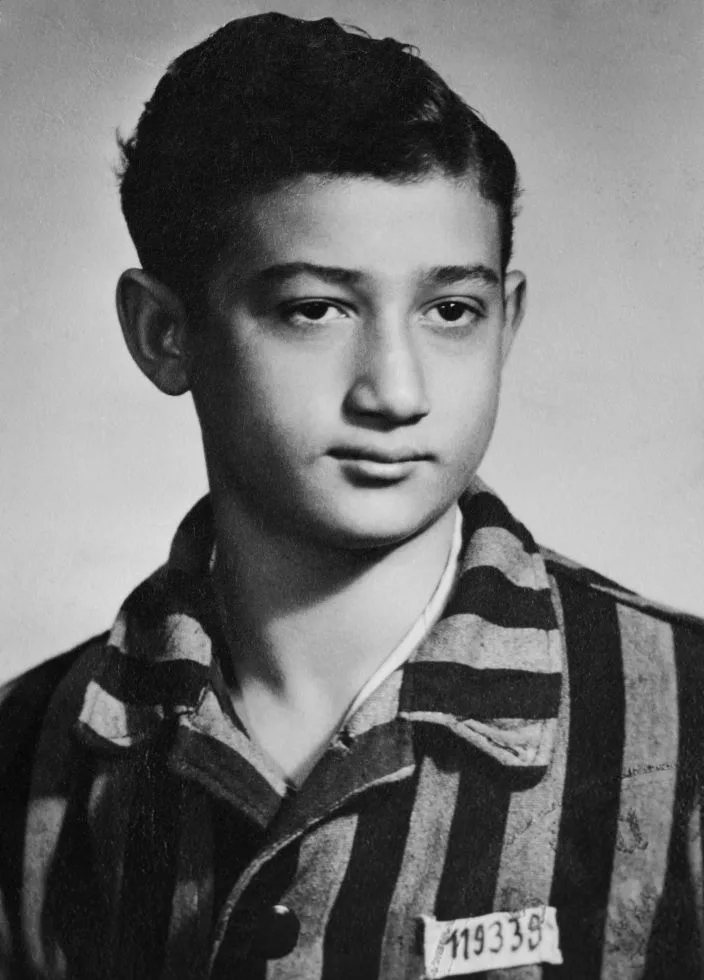
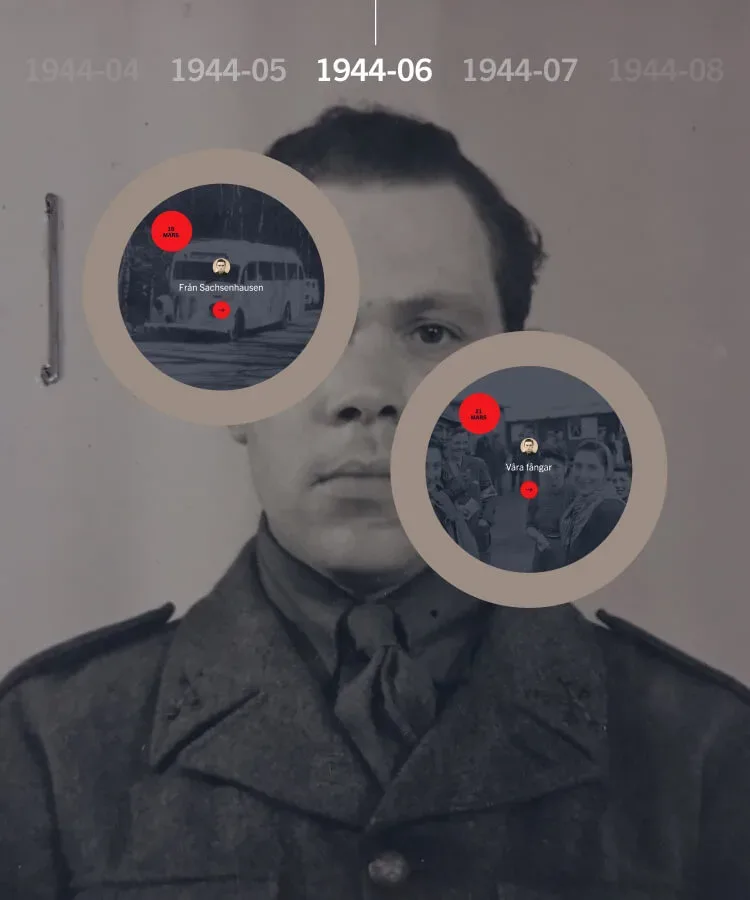
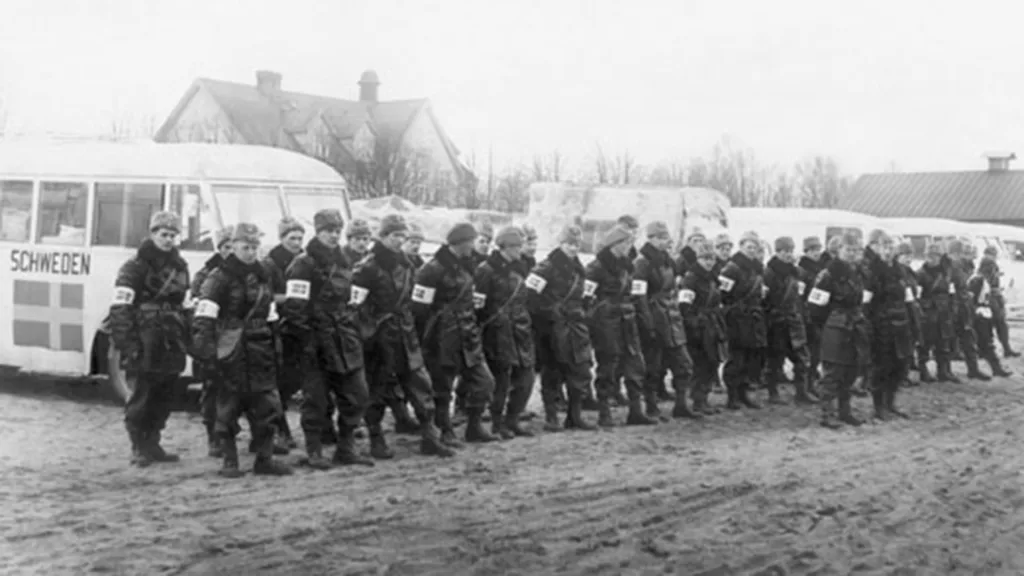
In the spring of 1945, former camp prisoners came to Sweden with the Red Cross so-called White Buses. The rescue operation was planned in collaboration between Norwegian, Danish and Swedish authorities. It was made possible by negotiations that the Red Cross and the World Jewish Congress managed to conduct with the supreme leader of the SS, Heinrich Himmler. All Scandinavian prisoners were to be taken to Denmark and Sweden.
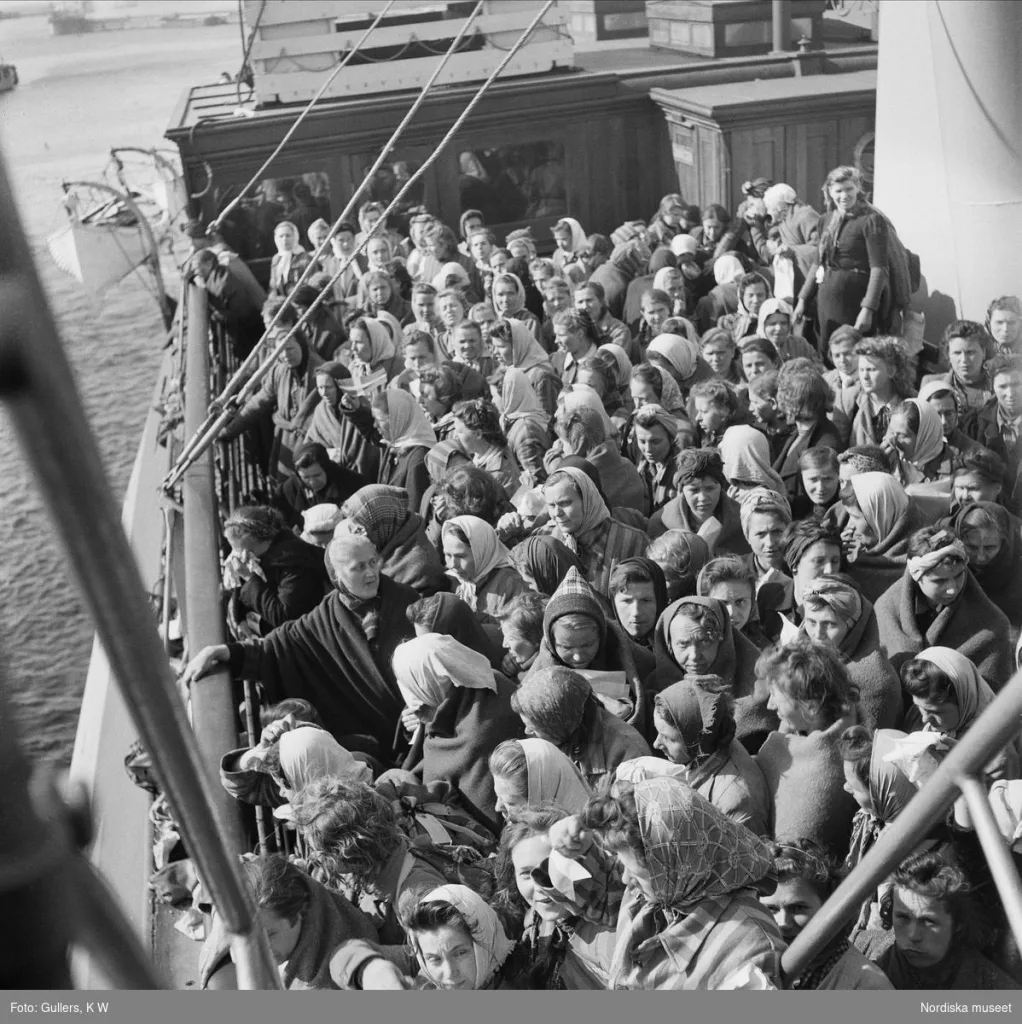
Once they were there, Red Cross staff also brought other former prisoners, mainly Jews and Poles. The figures vary, but the Red Cross estimates that about 15,000 people came to Sweden on the White Buses. Through the UNRRA (predecessor of the UN Refugee Agency UNHCR) and the so-called White Boats of the Red Cross, another 9,000 former prisoners arrived in Sweden during June and July 1945.
Arrival in Sweden
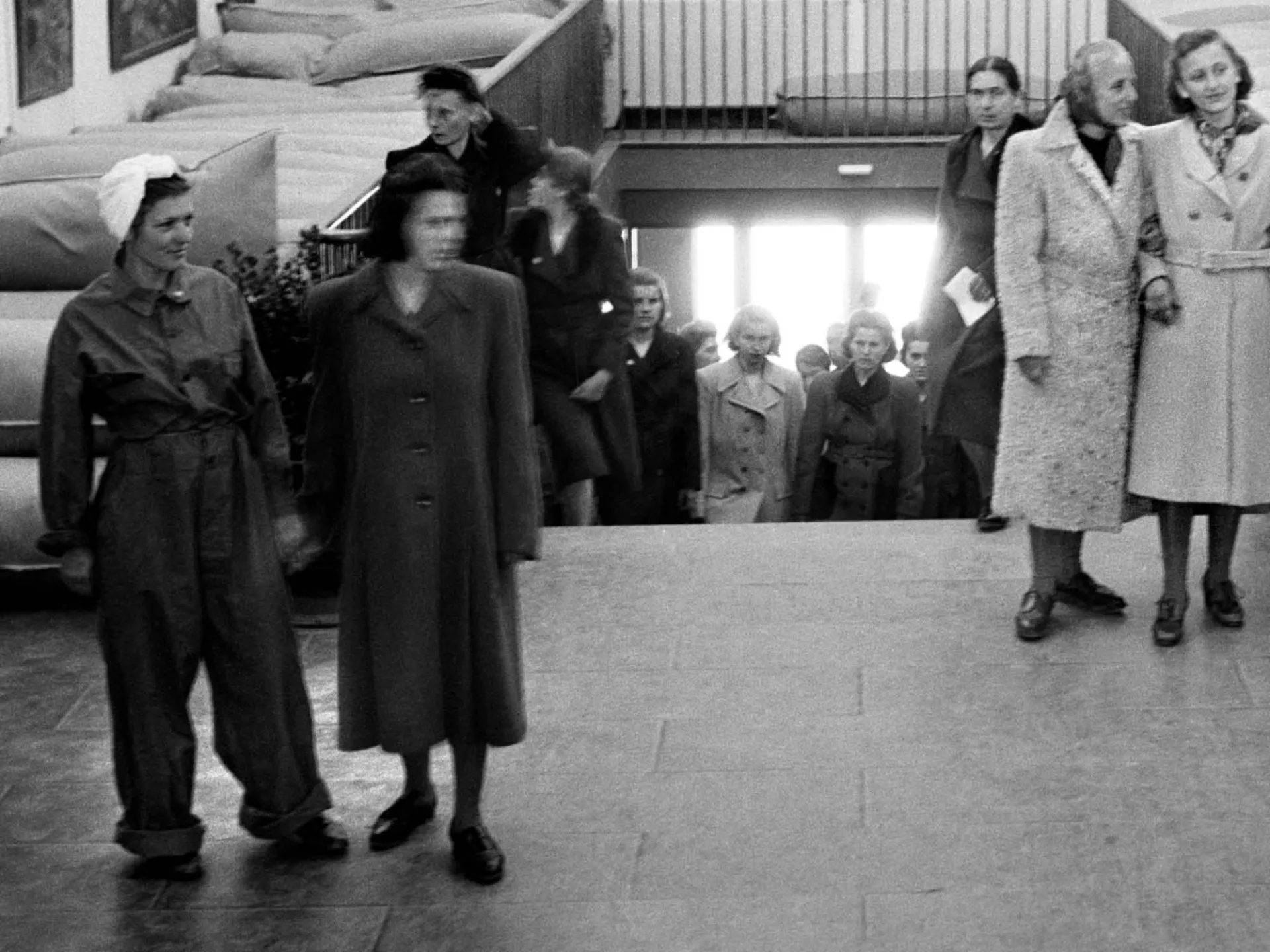
Upon arrival, the former camp inmates had to go into quarantine to prevent the spread of disease. Then they went to refugee camps and emergency hospitals around Sweden. Many of them were seriously ill, weak and undernourished. Some did not survive the journey or died after a short time in Sweden.
Life in the refugee camps was limited by routines and rules. Many of the former prisoners were young women who soon began to long for a new life in freedom. At the same time, the search was going on for family and friends who may have survived.
The idea was that the former prisoners would stay in Sweden for a short time. Then they would return home. But few of them had a home to return to. After some time, the Swedish government decided that all those who had come to Sweden with the rescue operations were allowed to stay.
The Liberation
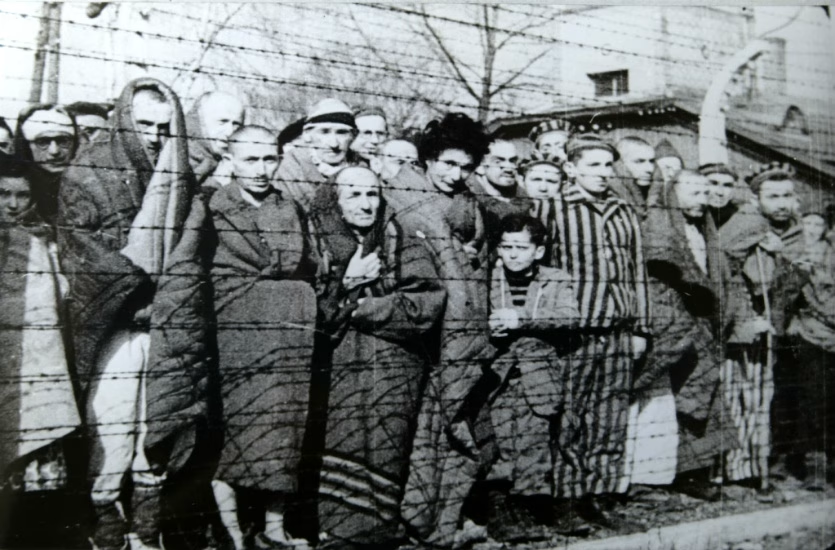
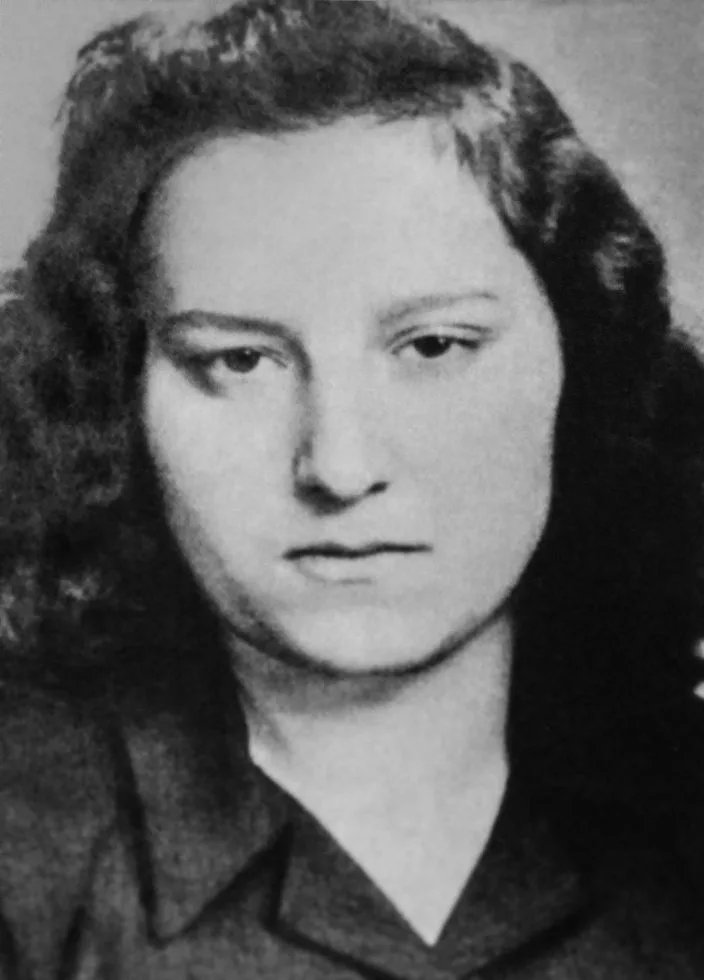
In the final stages of the war, as Allied troops advanced into Nazi Germany, they encountered the concentration camps and labor camps that the Nazis had built during their time in power. In most cases, this came as a shock to the Allied forces. Many camps were overcrowded with dead bodies and prisoners who were still alive but were seriously ill due to the countless diseases that had ravaged the camps. Some of the survivors liberated by the Allies were so seriously ill and malnourished that they died shortly after liberation.
In connection with the discovery and liberation of the camps, the Allies documented the camps and prisoners. Pictures and reports about this were distributed to newspapers around the world. The Holocaust thus became a fact for the general public. Many of the liberated prisoners were stateless, displaced and had neither family nor a home to return to. After the war, these people went by the name “Displaced Persons” (DP). After the end of World War II, some of the concentration camps and labor camps became so-called DP camps (displaced persons camps), and in some cases it took many years before the survivors were able to return to their home country or obtain a residence permit in another country.