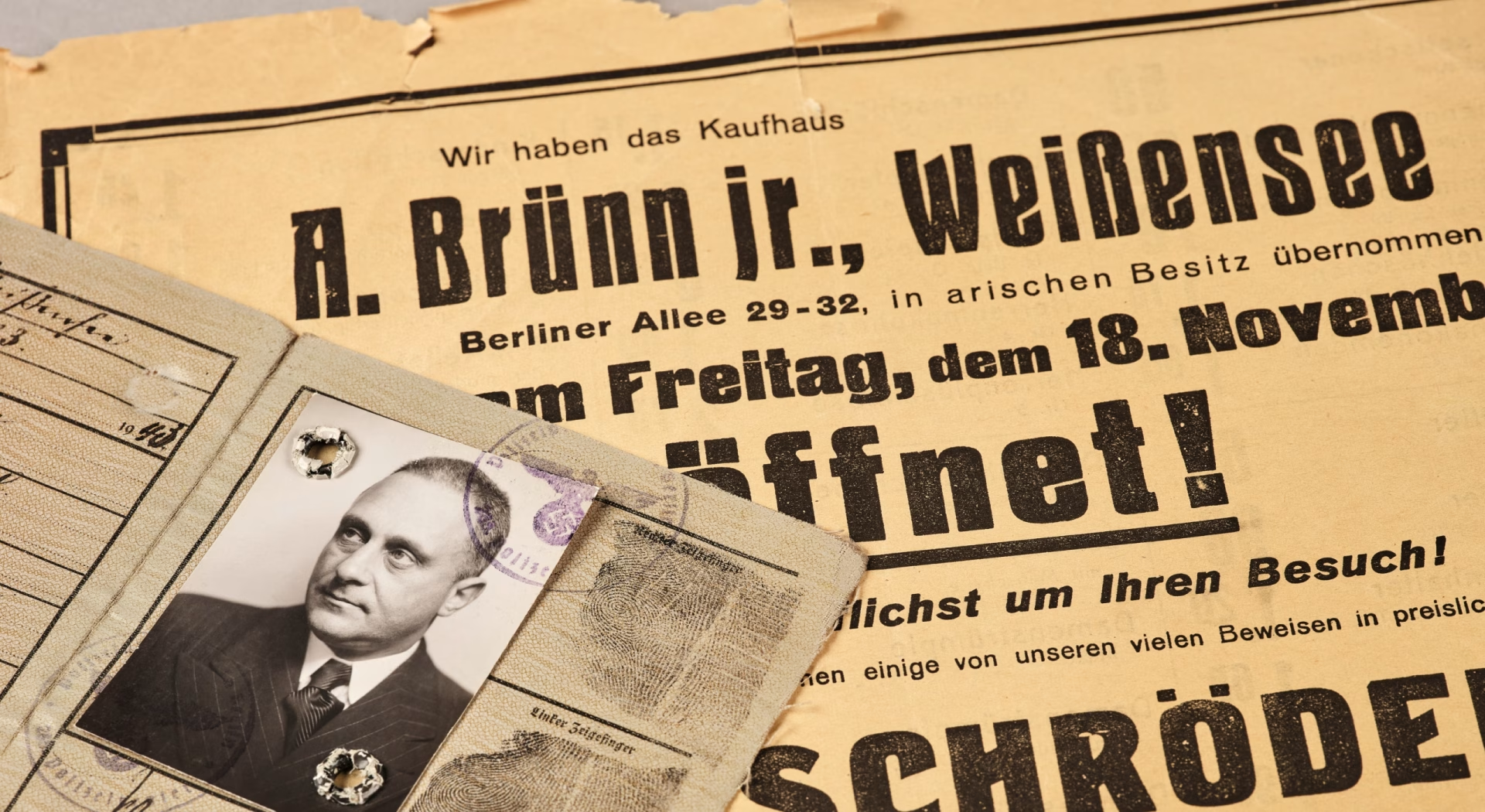
Walter Brünn
Today, the store has been demolished and replaced by a more modern building. Walter worked in Sandberg’s bookshop in Stureplan until he retired and Lilli worked as a clerk in an insurance company. They had a place in the country in Värmdö, they often travelled back to Berlin and had a lot of contact with those who had been employed in the departmentstore. Lilli and Walter died in the autumn of 1985, two weeks apart. Marianne, the girl next door who played the piano, was Walter and Lilli’s friend and neighbour throughout their lives.
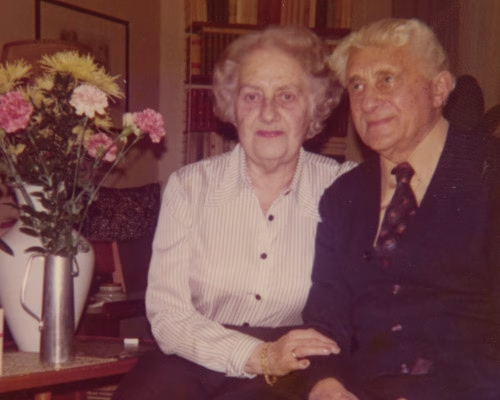
After their deaths, Marianne took care of the documents that are now in the exhibition. Marianne has donated the documents to the Swedish Holocaust Museum and shared her memories of Walter and Lilli.
Aaron Brünn
Walter’s father Aaron was deported from Berlin to Theresienstadt in Czechoslovakia in September 1942 by transport I/65, train Da 514. A month after arriving in Theresienstadt, Aaron died there.
Frieda and Solomon Veiss
Frieda and Solomon Veiss Lilli’s parents, Frieda and Solomon, were deported from Berlin in March 1942, by transport 11 to Piaski Luterskie Ghetto, Poland. They did not survive the Holocaust.

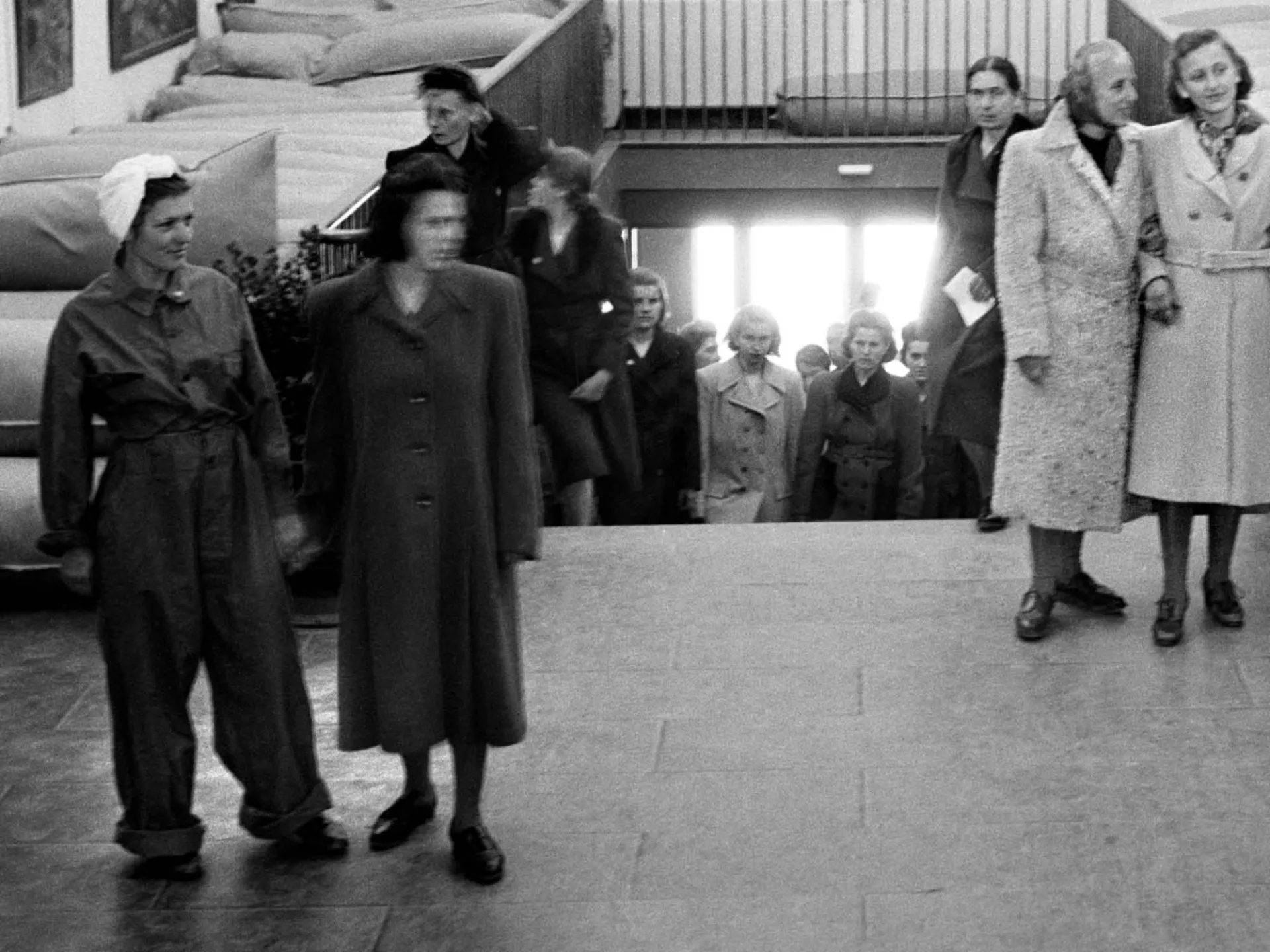
Lili and Walter's neighbor Marianne Hede tells the story. Photo/film: Miranda Solvang and Ola Myrin, Sweden's Holocaust Museum/SHM.