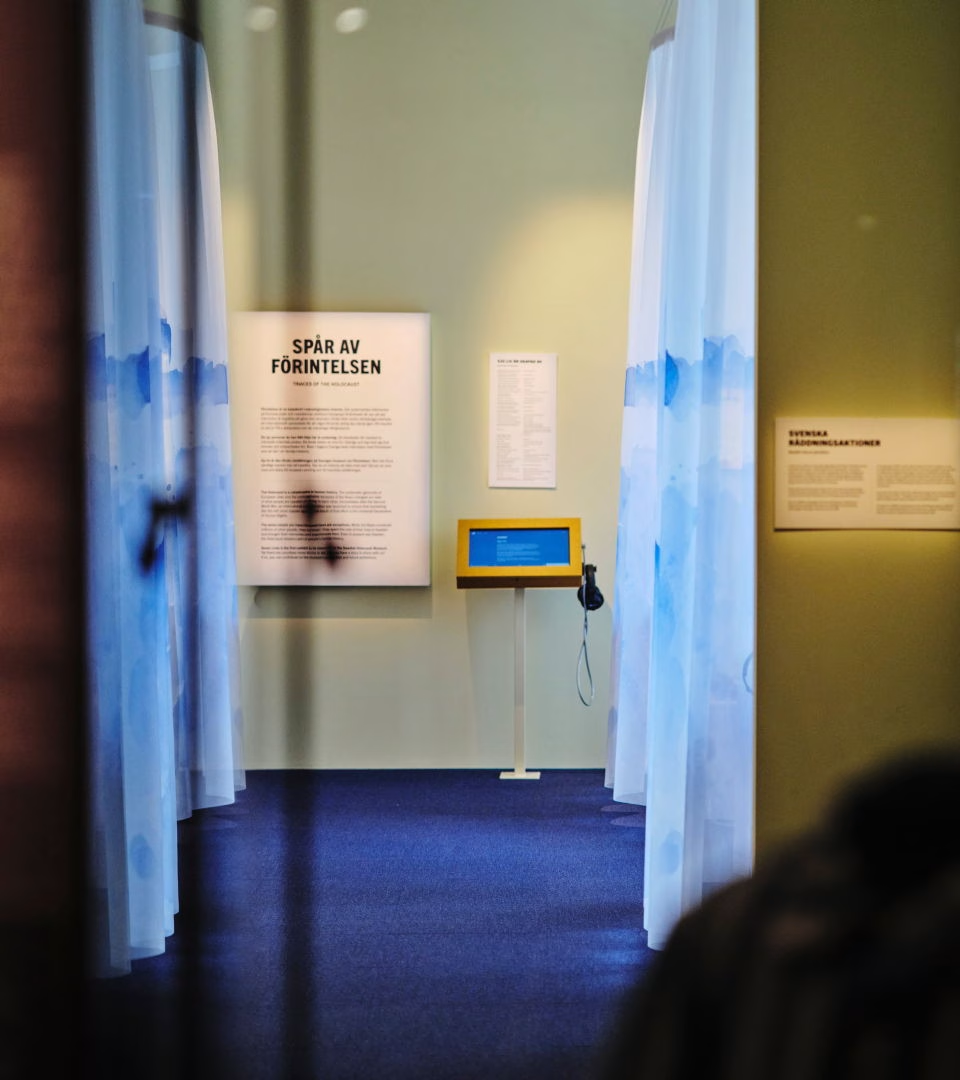
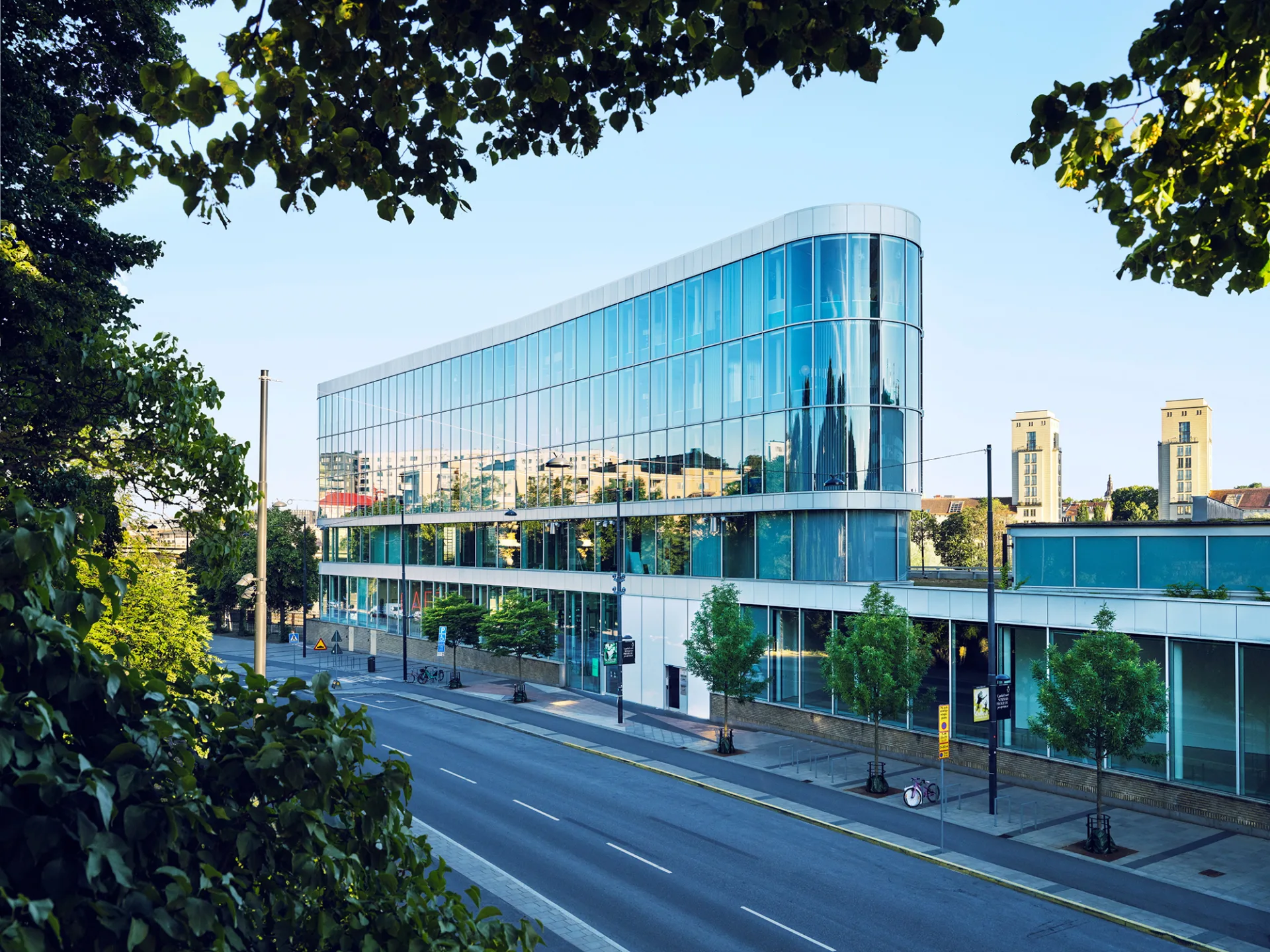
About the museum
The Holocaust is a unique historical event that changed the world. Six million Jews and hundreds of thousands of Roma were murdered. In total, around 13 million people fell victim to the crimes of the Nazis, among them homosexuals, Jehovah’s Witnesses, people with disabilities, and political opponents. The museum works actively to highlight different perspectives on the Holocaust and the various groups affected by Nazi persecution.
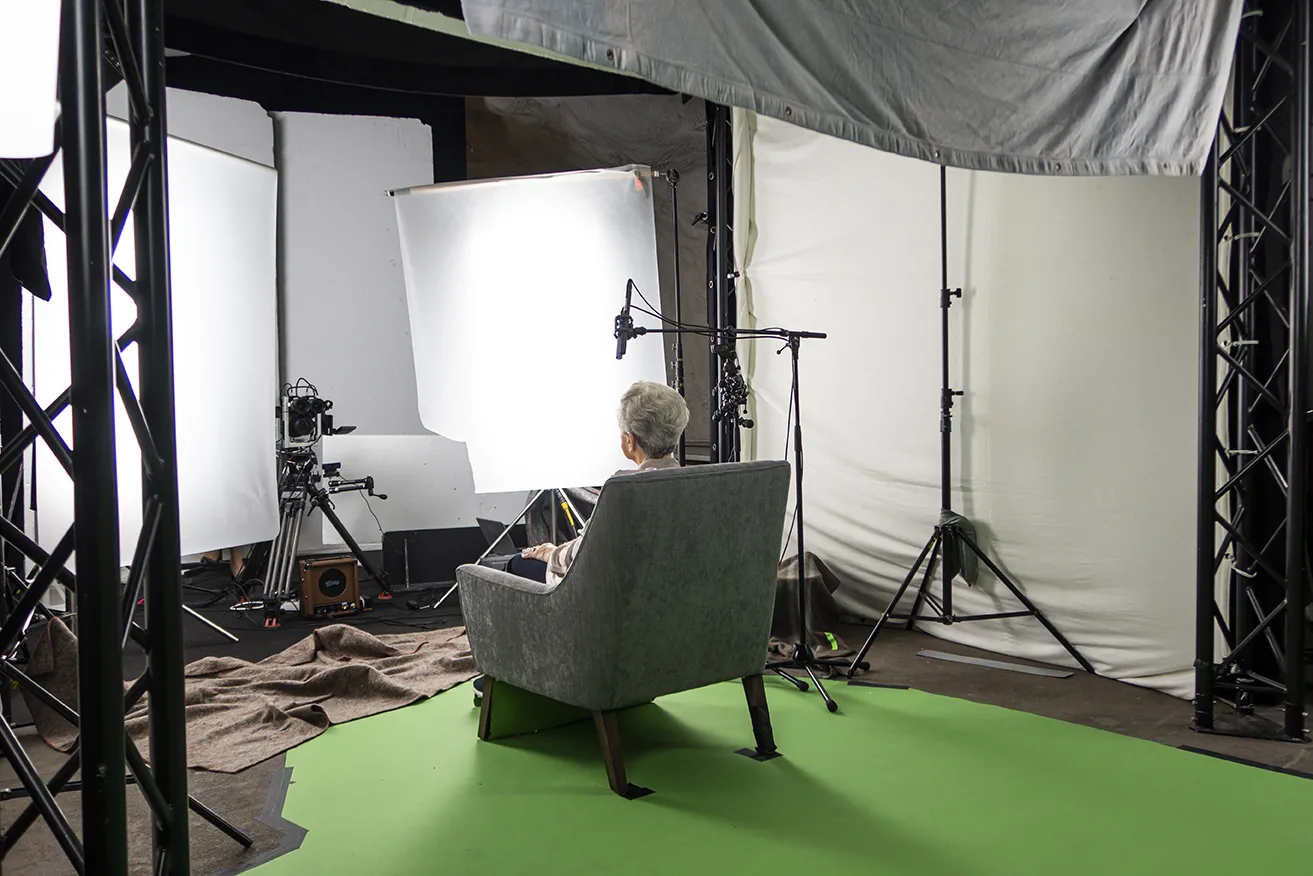
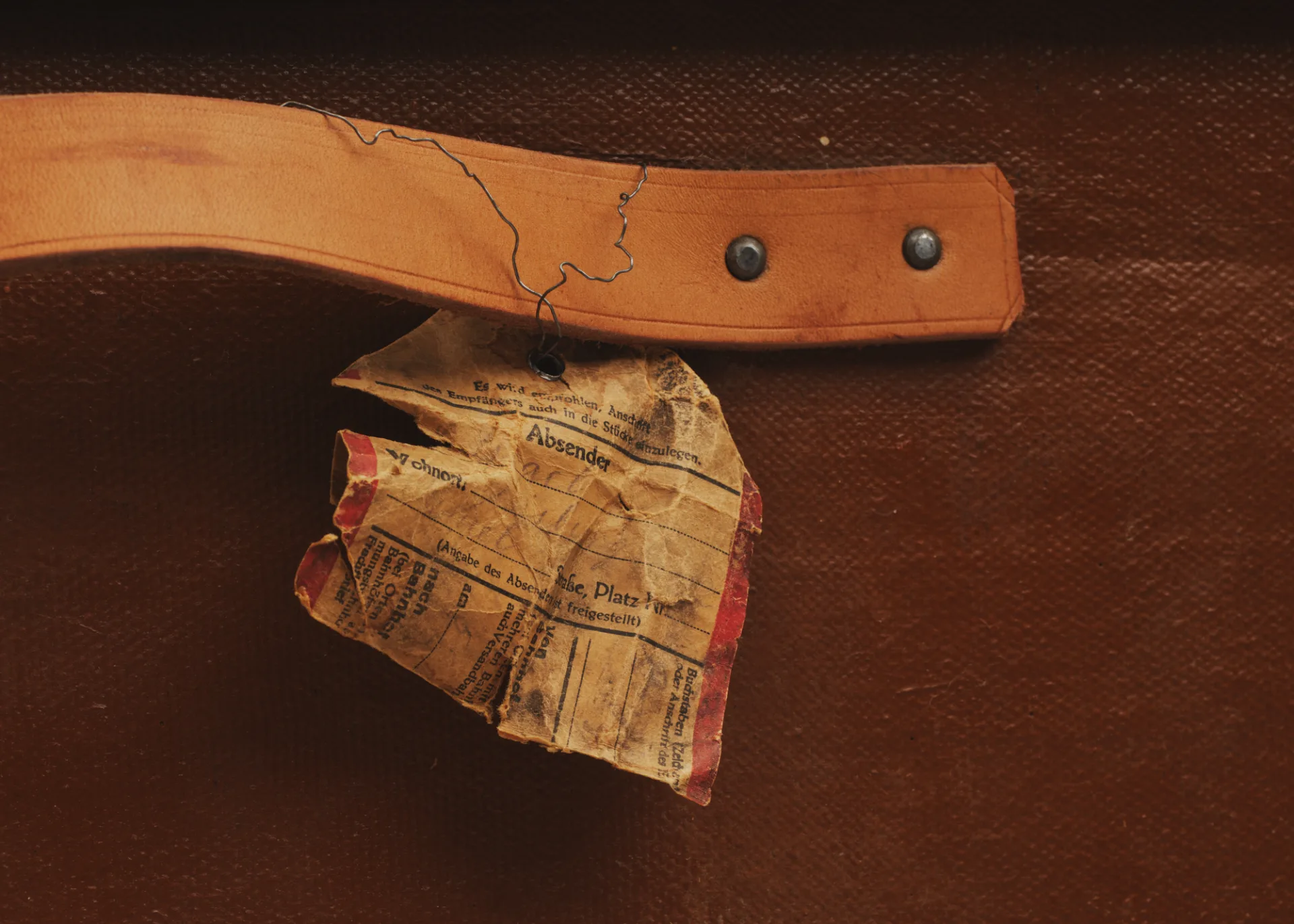
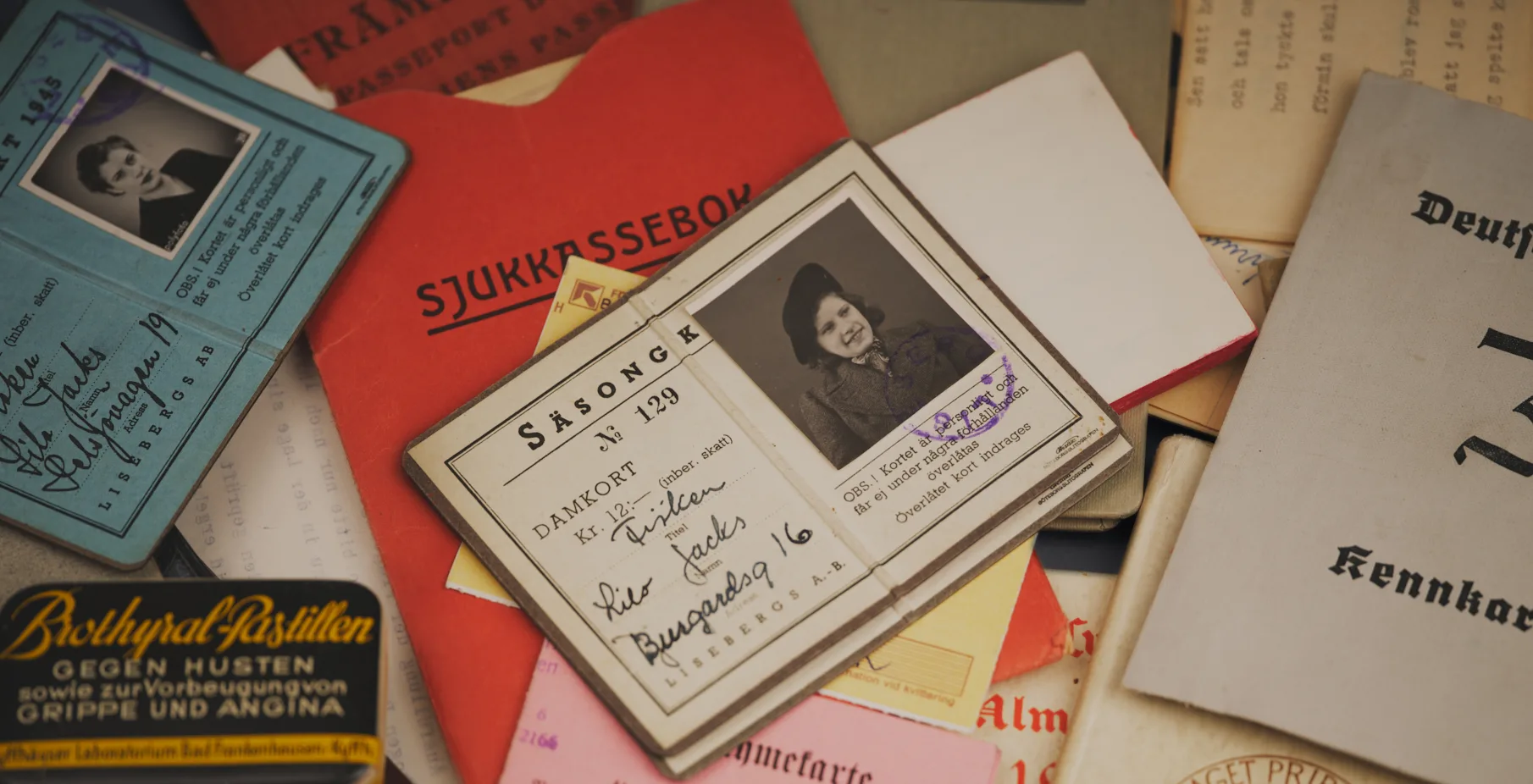
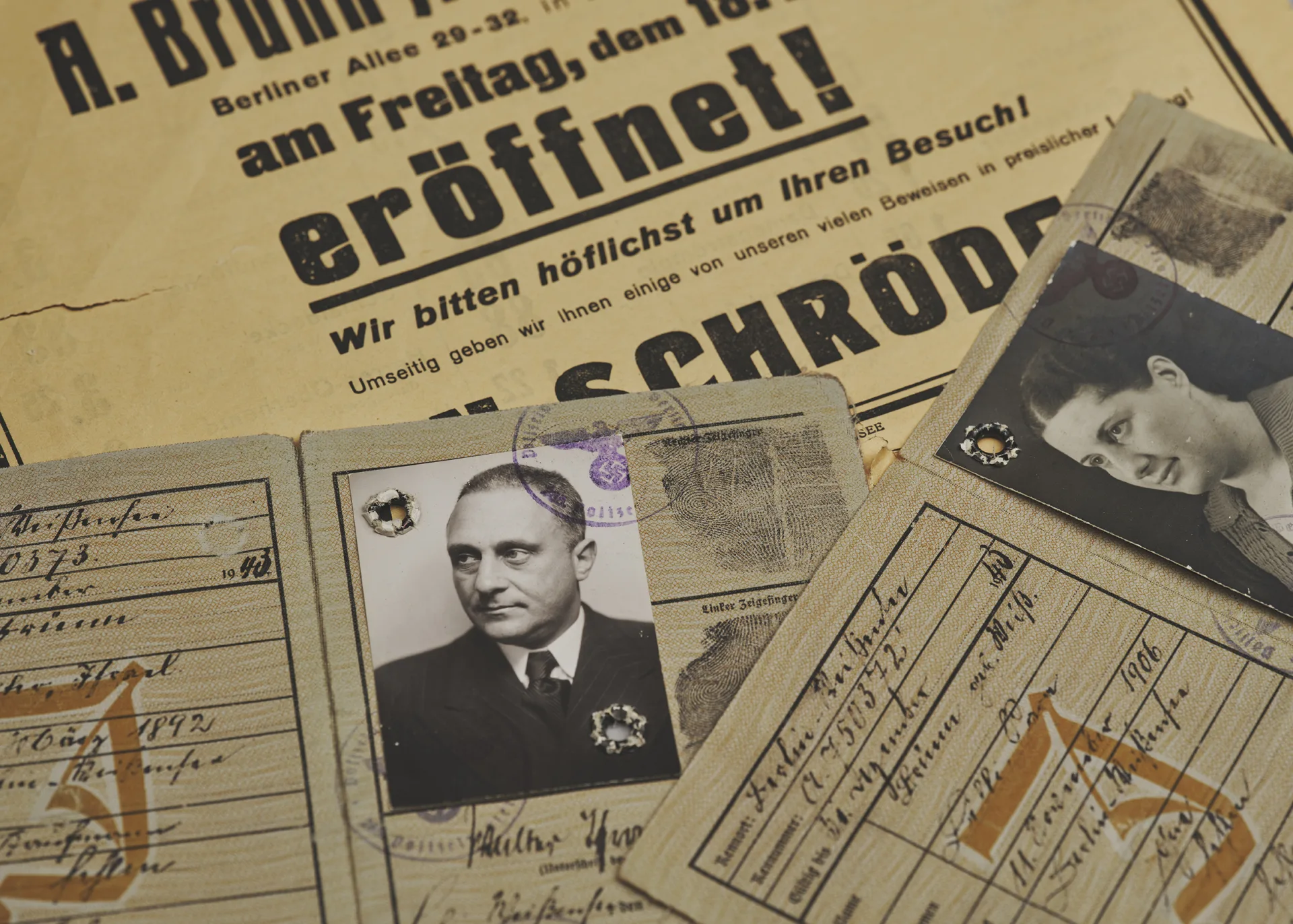
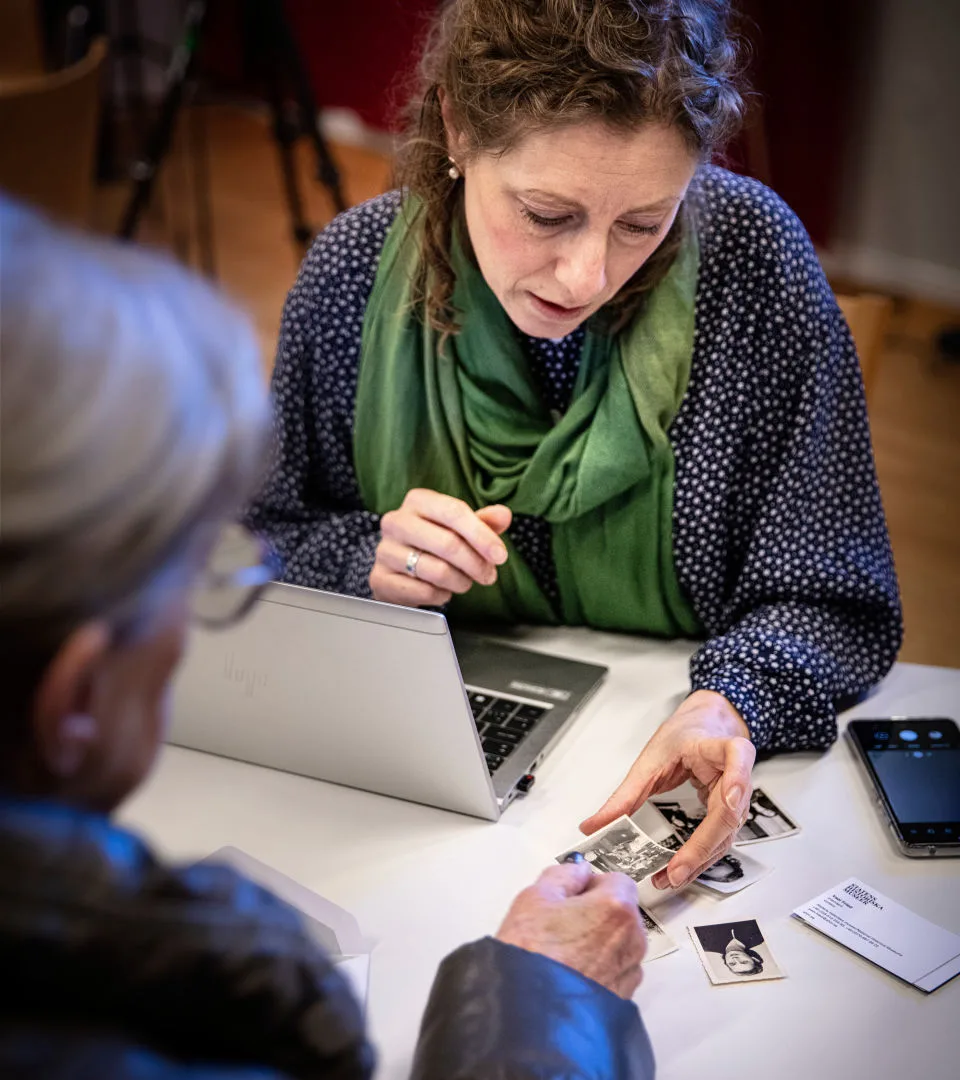
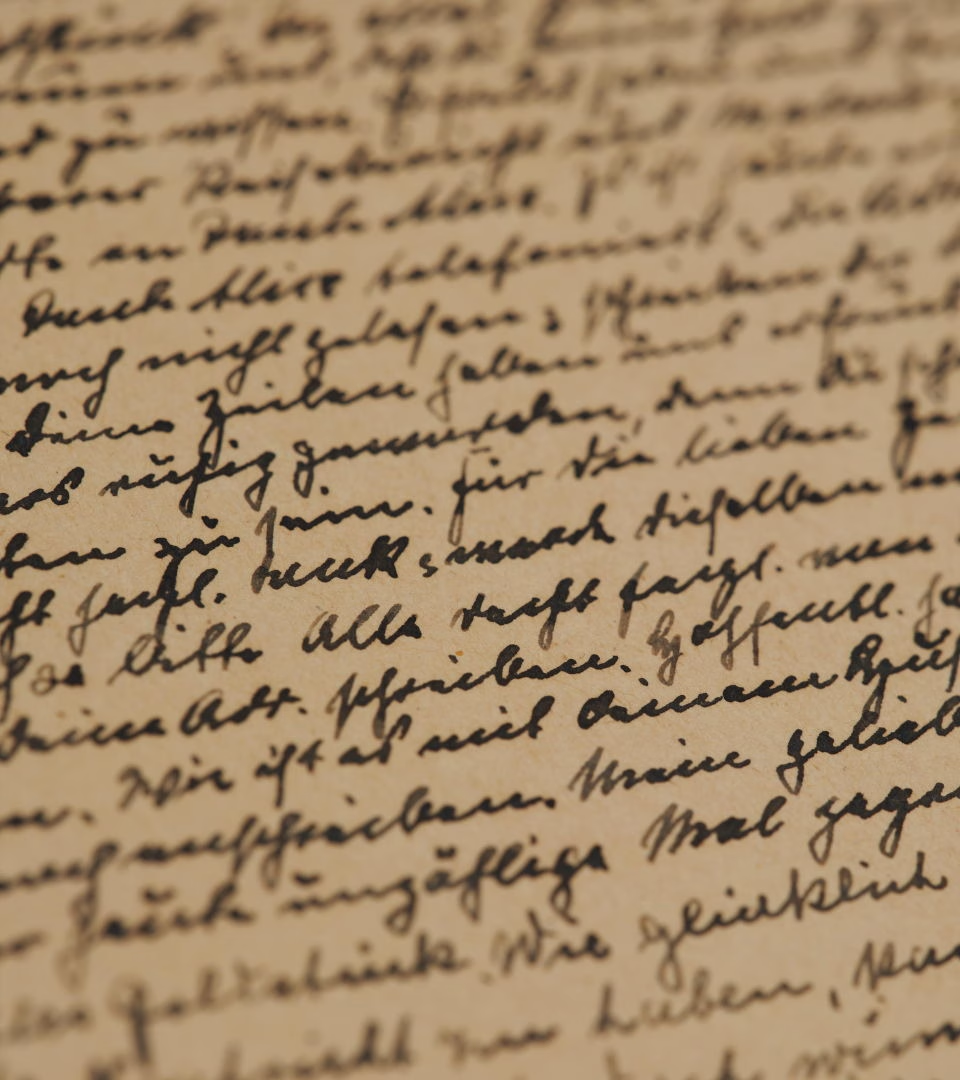
An important starting point for the museum is the testimonies of survivors who came to Sweden. Through the stories and objects donated to the museum, we preserve and pass on the history of Sweden and the Holocaust. The establishment of the museum signifies that the Holocaust – although it did not take place on Swedish soil – is connected to Sweden’s history and forms part of its cultural heritage.
The Swedish Holocaust Museum is a memorial museum. In addition to telling the story and educating about the crimes of the Nazis, we are also a safe space for a dark history, a place where people are welcomed for reflection and remembrance.
FAQs About the Swedish Holocaust Museum
The Holocaust and World War II are part of Swedish history. Preserving the memory of the Holocaust in open archives, documentation, education and research is a Swedish concern.
The mission of the Swedish Holocaust Museum is to deepen and broaden knowledge of the Holocaust based on the stories of survivors with links to Sweden. We preserve and pass on memories of the Holocaust and create opportunities for meetings, discussion and reflection.
Some 10,000 Jewish refugees arrived in Sweden in 1945 at the end of World War II. With them they carried memories of murdered family members, vanished communities and a lost world. And it was here that they began new lives. The genocide of the Holocaust affected millions of people. A large number of those who experienced these events lived or still live in Sweden, as do the second and third generations of their families.
The activities of the Swedish Holocaust Museum shall be available to everyone. The most important target group is secondary and upper-secondary students and teachers in Sweden. Among the general population, we are keen to reach both those with in-depth knowledge of the Holocaust and those who know nothing about it.