Collections and research
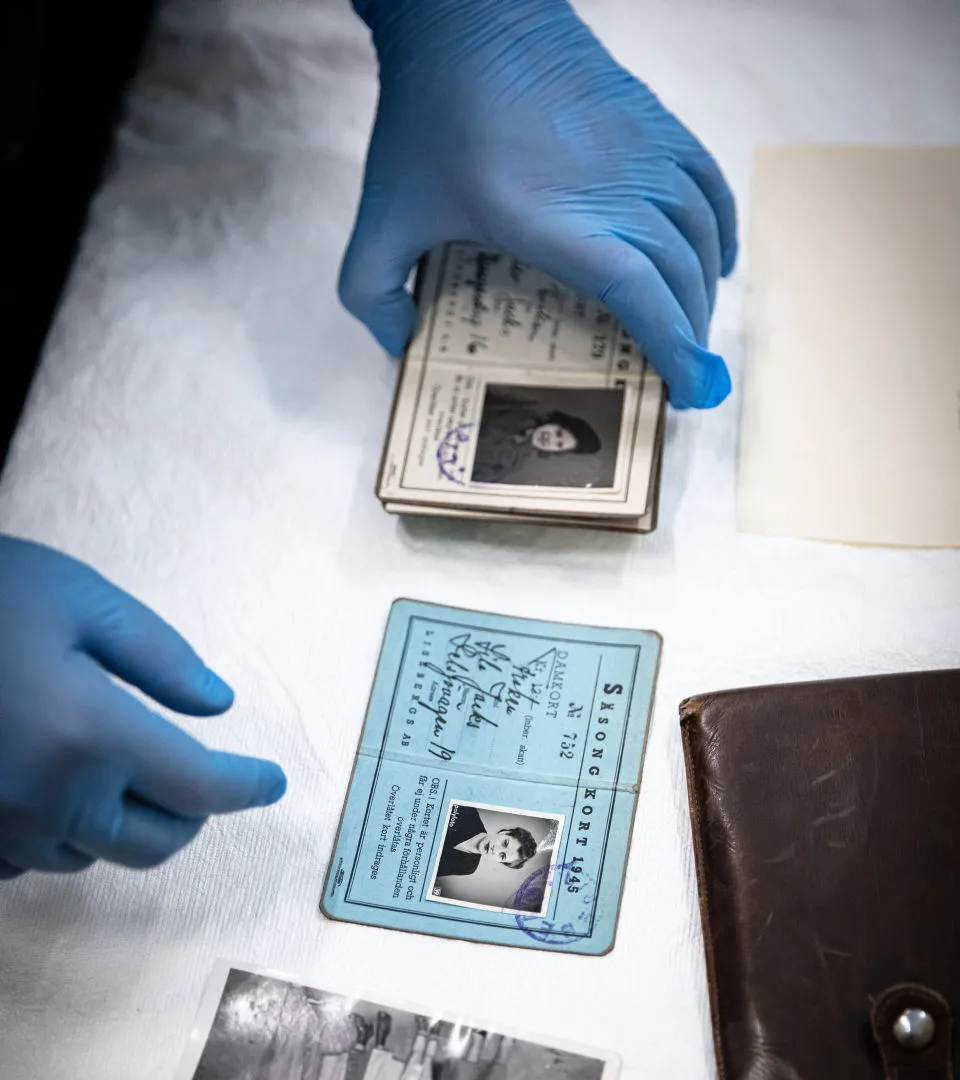
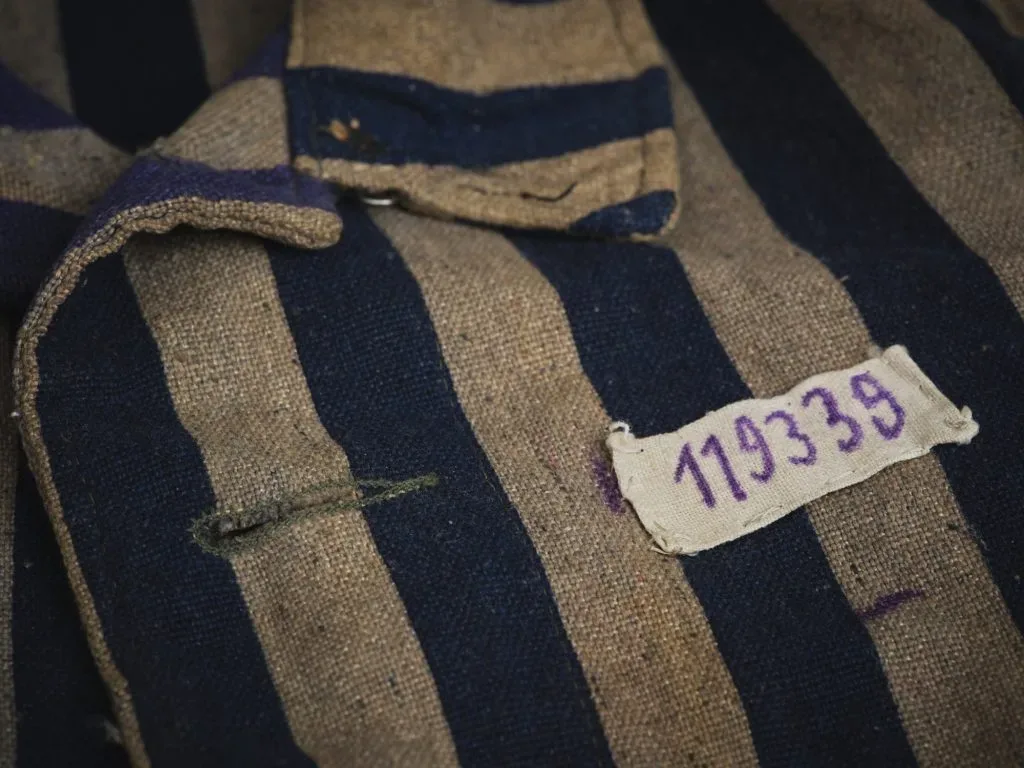
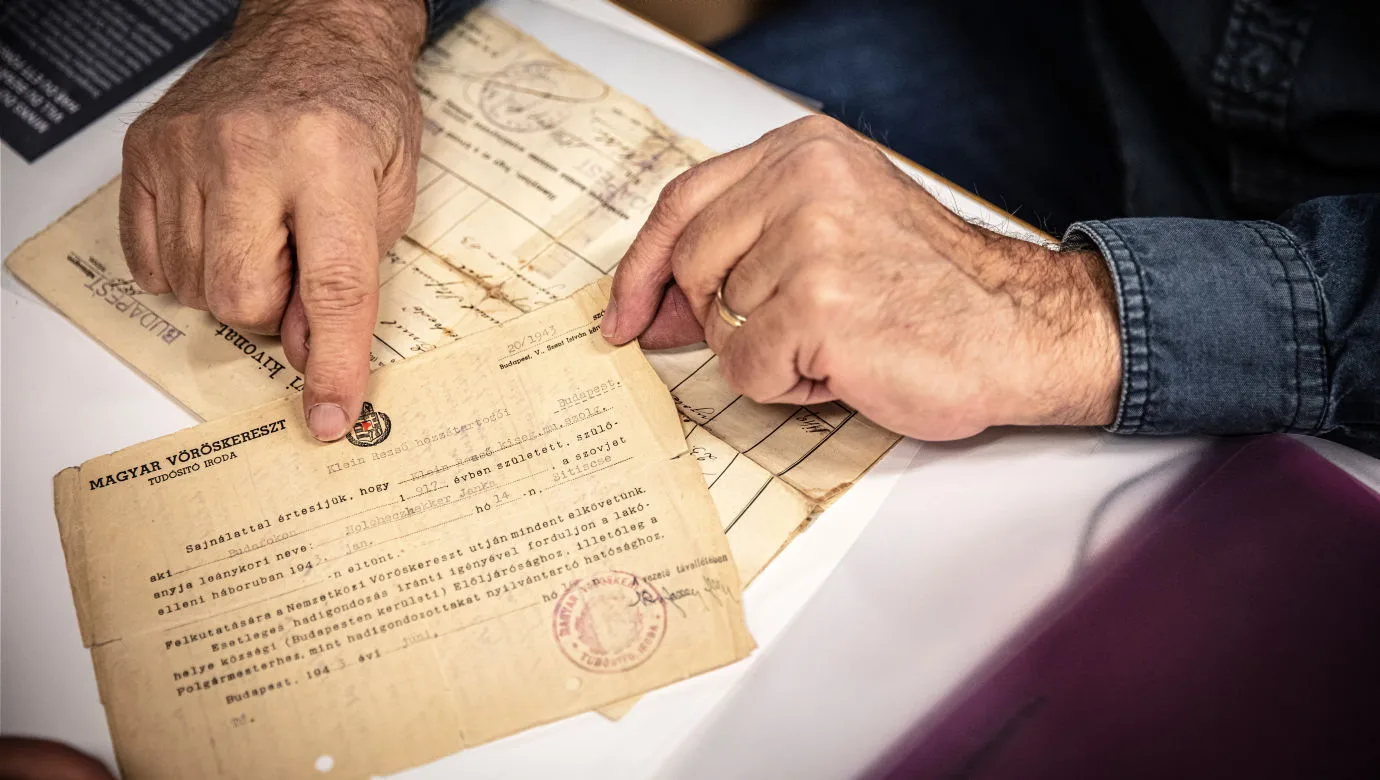
The Swedish Holocaust Museum collects and preserves material documenting Sweden and the Holocaust. Since the museum was established in 2022, approximately 20,000 objects, photographs and documents have been acquired, and the collection continues to grow. The material includes letters, objects, photographs, newspaper clippings, films and audio recordings. These collections preserve stories of life before, during and after the Holocaust.
The museum’s collections are an important resource for research and knowledge development across a range of academic disciplines. Research and new knowledge form the foundation of the Swedish Holocaust Museum’s work to interpret and communicate knowledge about the Holocaust, its historical context and its significance today. Research contributes to the development of the museum’s exhibitions, programmes and educational activities.
The Swedish Holocaust Museum conducts its own research and development activities. This work is also carried out in collaboration with researchers, universities, higher education institutions and other knowledge institutions in Sweden and internationally.

Frequently asked questions about the museum’s collections and research
Please contact us at samlingar@museumforintelsen.se
Yes, it is possible to visit the museum to study an object or archival material of interest. Please contact us to arrange an appointment. We will then provide further information about the visit process.
Please note that there may be a waiting period, so we recommend getting in touch well in advance, preferably at least two weeks before your planned visit.
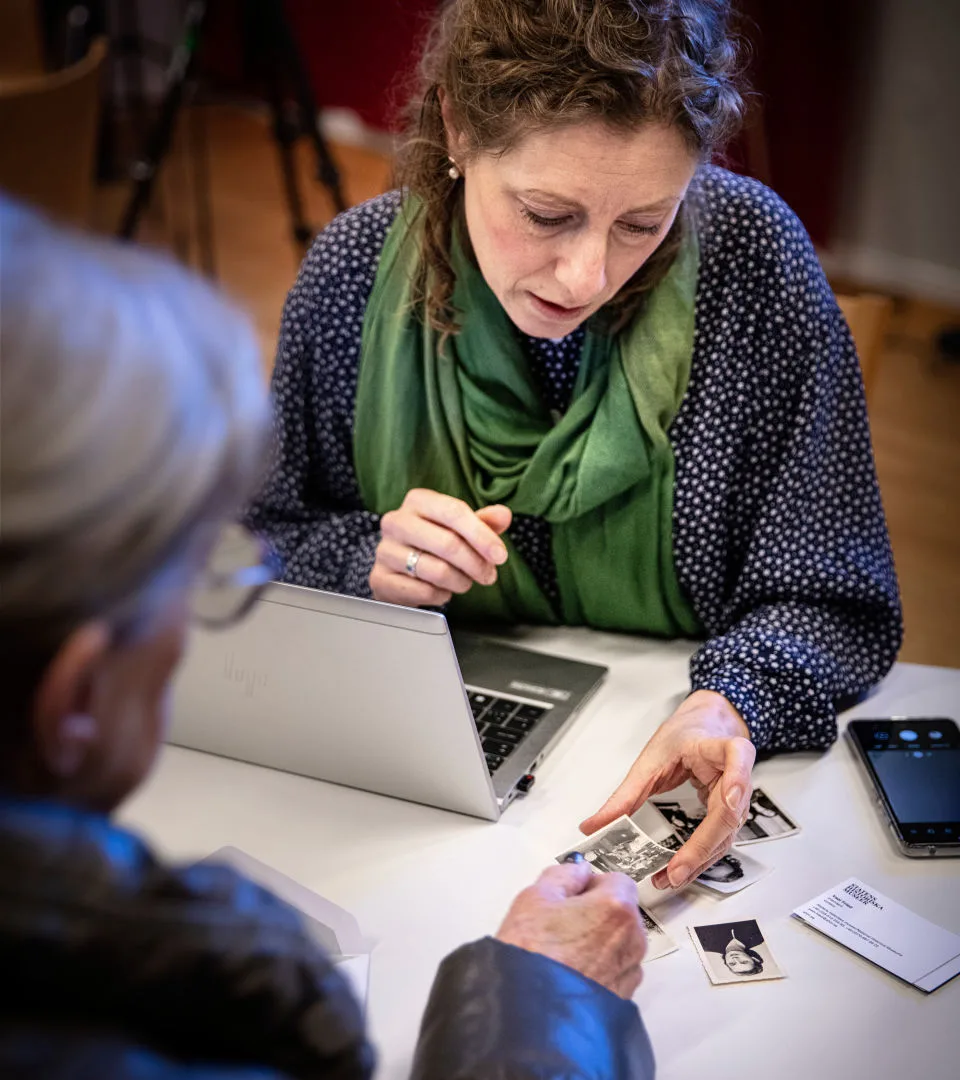
We welcome researchers and students to use our collections to advance knowledge about Sweden and the Holocaust. Please contact us to arrange a visit to our research room. When getting in touch, please specify which material you would like to access and when you would like to visit.
Please note that there may be a waiting period, so we recommend contacting us well in advance, preferably at least two weeks before your planned visit.
We welcome research proposals related to the museum’s field of activity and encourage dialogue about how our collections and knowledge resources can be used in scholarly research projects.
It is also possible to base research projects at the National Historical Museums, the government agency of which the Swedish Holocaust Museum is a part.
More information about research collaborations and opportunities for cooperation is available on the For researchers page.
Our collection is digitized, and we are constantly working to enrich the information about our objects and to increase the number of images. You can search among the images and objects already available in our online database. All information is free to use, and most of the media is licensed under open Creative Commons licenses. Some images depict copyright-protected works; through an extended collective license agreement with Bildupphovsrätt in Sweden (BUS), the National Historical Museums have the right to display these images on Search the Collections.
We share the database with the other museums that are part of the National Historical Museums. Therefore, you will find objects from the Economy Museum, the Hallwyl Museum, the Swedish History Museum, the Royal Armoury, Skokloster Castle, the Tumba Paper Mill Museum, and the Swedish Holocaust Museum in the database.
Yes, you are welcome to contact us for advice and guidance on archival research. We recommend beginning your search in our collections database.
At the Swedish National Archives (Riksarkivet), you can request records relating to people who came to Sweden.
EHRI provides a directory of archives and databases related to the Holocaust.
The Arolsen Archives holds the world’s most comprehensive archive on the victims of Nazi persecution.
Yad Vashem has an extensive database of names.
Lund University Library holds a large collection of written testimonies from 1945.
During an in-person visit to the Swedish Holocaust Museum, you can access testimonies from the USC Shoah Foundation. Learn more about the museum’s digital archive station.