Who was Raoul Wallenberg?
- Born August 4, 1912 in Stockholm.
- Raoul was first secretary at the Swedish legation in Hungary.
- He issued protective passports for Jews in Hungary.
- The last time Raoul was seen in public was January 17, 1945.
- What happened to Raoul after he was imprisoned is still unknown.
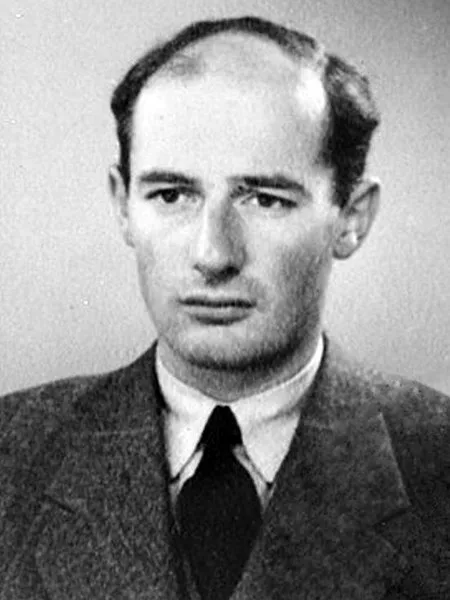
Raoul Wallenberg
Raoul Wallenberg was born on August 4, 1912 in Stockholm. He grew up with his mother and stepfather, as Raoul's father died shortly before his birth. Raoul was good at languages and lived in several countries from an early age. He studied architecture at the University of Michigan and at the age of 22 he went to South Africa after his grandfather arranged an internship for Raoul there.
In early 1944, the US government created the War Refugee Board, the purpose of the bord was to rescue Jews from Nazi-occupied territories and provide assistance to Jews who were in hiding or in concentration camps. The US asked the neutral countries that had diplomatic representatives in Hungary if they were willing to help, and Sweden said yes.
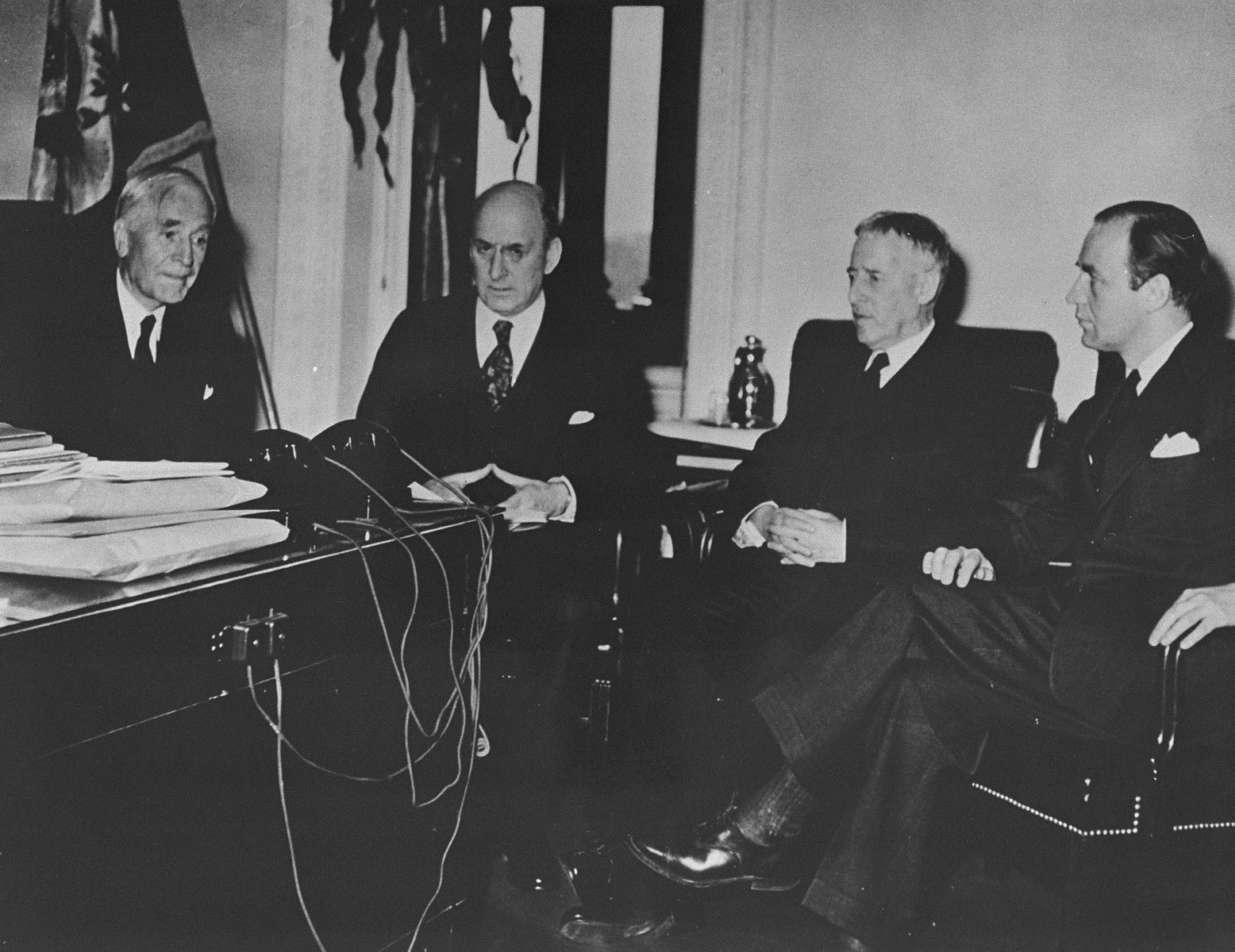
In 1944, Raoul worked at Mellaneuropeiska Handelsaktiebolaget, which was located in the same building as the American embassy. The head of Mellaneuropeiska Handelsaktiebolaget Kálmán Lauer and the Swedish representative of the War Refugee Board, Iver Olsen, ran into each other in the elevator one day. Iver Olsen had been given the task of finding a suitable Swede to send to Budapest. Olsen described what they were looking for and Lauer suggested Raoul Wallenberg. Raoul then got the assignment and went to Budapest without a clear plan, but with the goal of saving as many Jews from the Holocaust as possible.
Hungary during World War II
Hungary was an ally of Nazi Germany from 1940. The Hungarian government was nationally conservative and had introduced anti-Jewish racial laws inspired by the German Nuremberg Laws. Most of the laws excluded Jews from various aspects of economic and social life, resulting in tens of thousands of Jews losing their jobs, businesses and livelihoods. Tens of thousands of Jews were also forcibly transferred to labor camps and labor battalions where many died from brutal treatment, starvation and extreme conditions.
In the summer of 1941, Hungary deported more than 20,000 Jews across the border to Galicia (part of then-occupied Poland). Most of these people ended up in the city of Kamenets-Podolsk, where they were put in a ghetto. In August of that year, approximately 23,600 Jews were murdered by the SS and other local police units in a mass shooting.
On March 19, 1944, Nazi Germany invaded Hungary when the Hungarian government wanted to negotiate peace with the Allies. The Hungarian head of state Miklós Horthy and other Hungarian leaders were allowed to remain in their positions, but the Nazis demanded that the prime minister be replaced by Döme Sztójay.
In early 1944, the majority of Hungary's Jewish population, approximately 800,000 people, was still alive. This changed rapidly after the Nazi German invasion. Jews were stripped of even more rights and were forced to hand over various possessions. In April all Jews over the age of 6 were required to wear a yellow Star of David.
The deportation of the Hungarian Jews
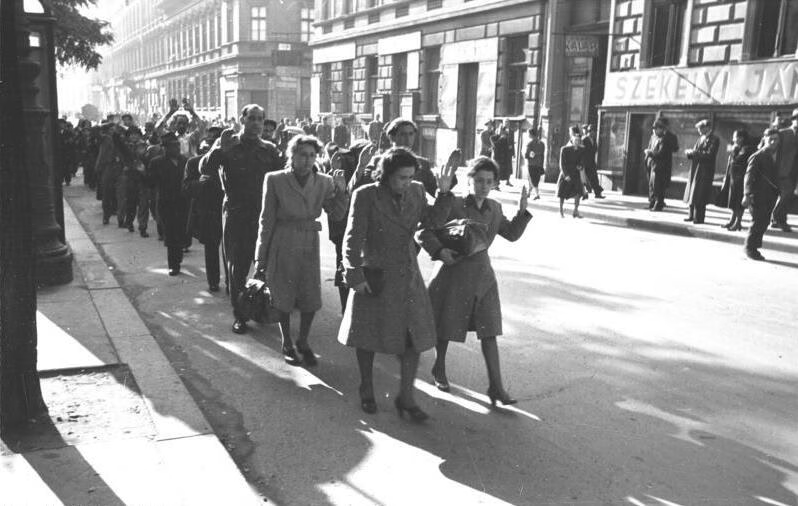
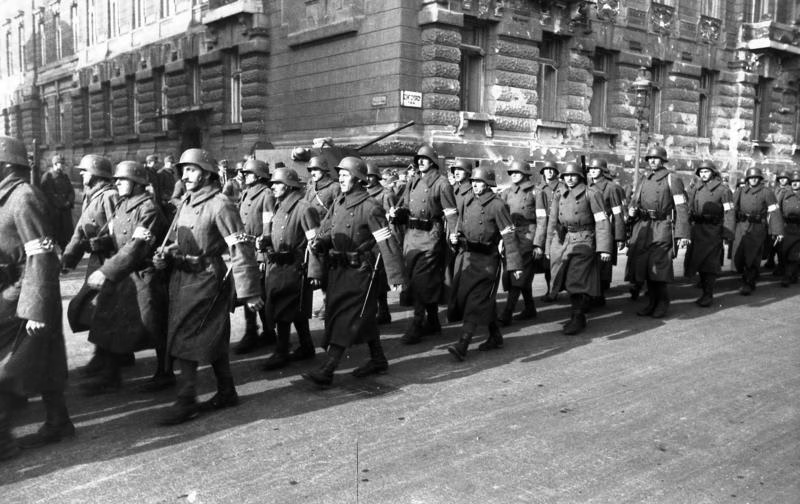
In early April 1944, ghettos were created to make it easier to gather the Jews for deportation. In May the mass deportations began. Over eight weeks over 400,000 Hungarian Jews were deported to extermination camps, most of them to Auschwitz-Birkenau. The majority were murdered upon arrival. In July, Horthy ordered a halt to the deportations, following pressure from within his party and from other leaders. In October 1944, Horthy attempted to break with Nazi Germany and announced an case-fire with the Soviet Union, but this failed.
On October 15, 1944, the Arrow Cross movement took power in Hungary with Nazi German support. The Arrow Cross movement was a Hungarian Nazi organization founded in 1939 by radical right-wing groups. In the 1939 elections, the Arrow Cross became the second largest party and had over 300,000 members. On October 20, the Arrow Cross began rounding up all Jews for forced labor, and on November 6, they were deported on foot to Austria, several of whom were shot along the way.
The Swedish Legation's rescue operations
On July 9, 1944, Raoul arrived in Budapest. He was first secretary at the Swedish legation in Hungary. He had no previous experience in covert operations or diplomacy, but he became a key figure in one of the largest rescue operations during the Holocaust.
The Swedish legation's head, Ivan Danielsson, and second secretary, Per Anger, had previously negotiated with the Hungarian authorities, that people who had provisional protection letters issued by the legation would be treated as Swedish citizens. However, at the end of July 1944, the Hungarian authorities announced that they no longer accepted the Swedish protection letters.
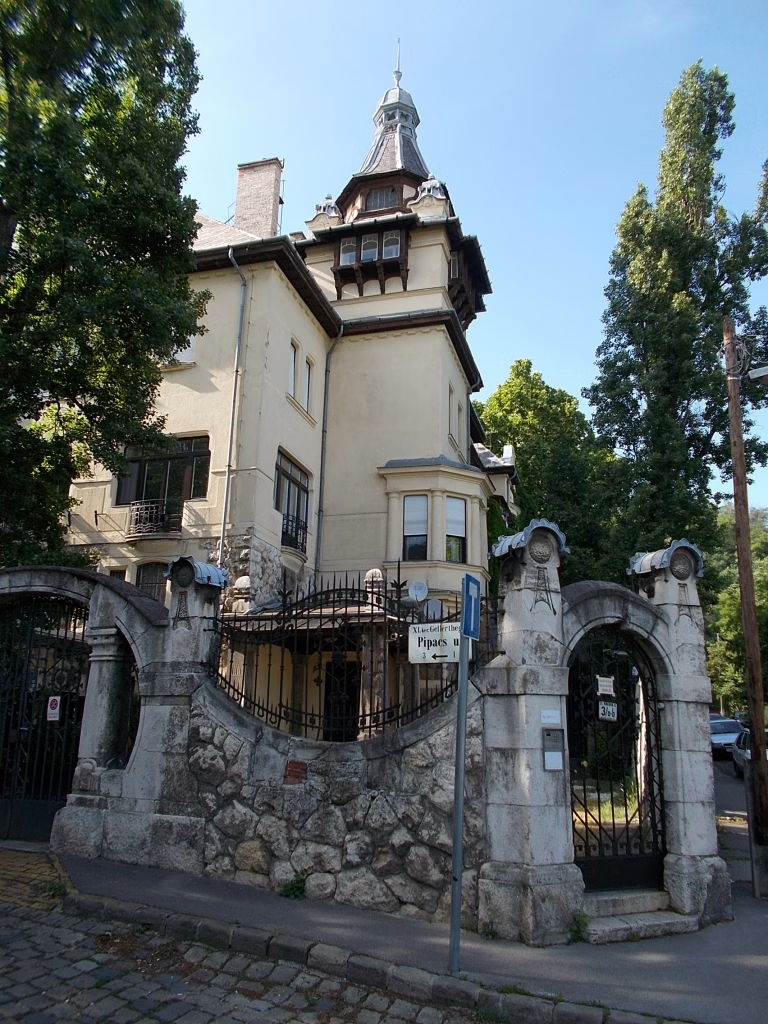
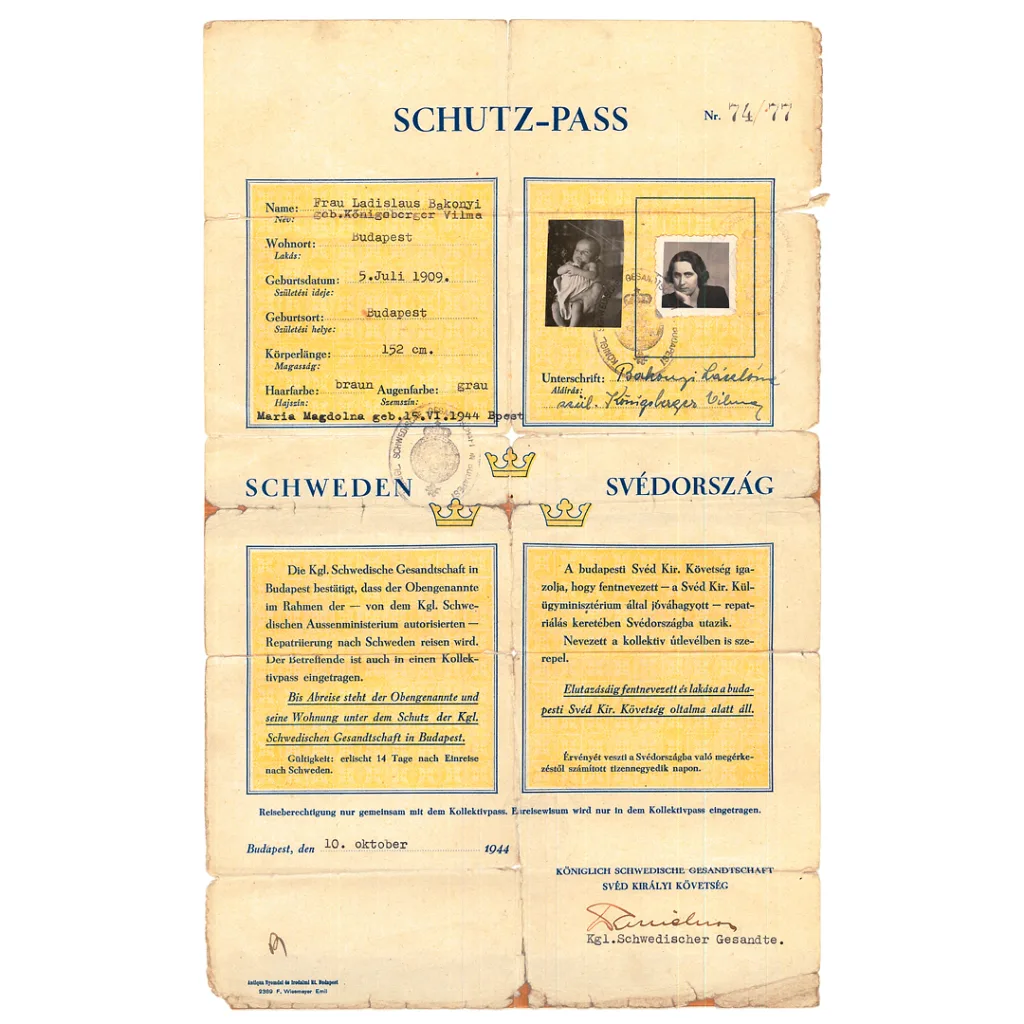
Shortly after Raoul arrived in Budapest, he continued to work on Per Anger's idea of protection letters and created the so-called protection passes (Schutzpass). The Jews who received a Schutzpass were given provisional Swedish citizenship. People who received a protection pass were under Swedish protection and could therefore not be deported. Raoul also bought several buildings where the legation established hospitals, kindergartens and the so-called "Swedish houses". The Swedish houses were declared Swedish territory, they therefore used the houses as another way to protect the Jews from deportation.
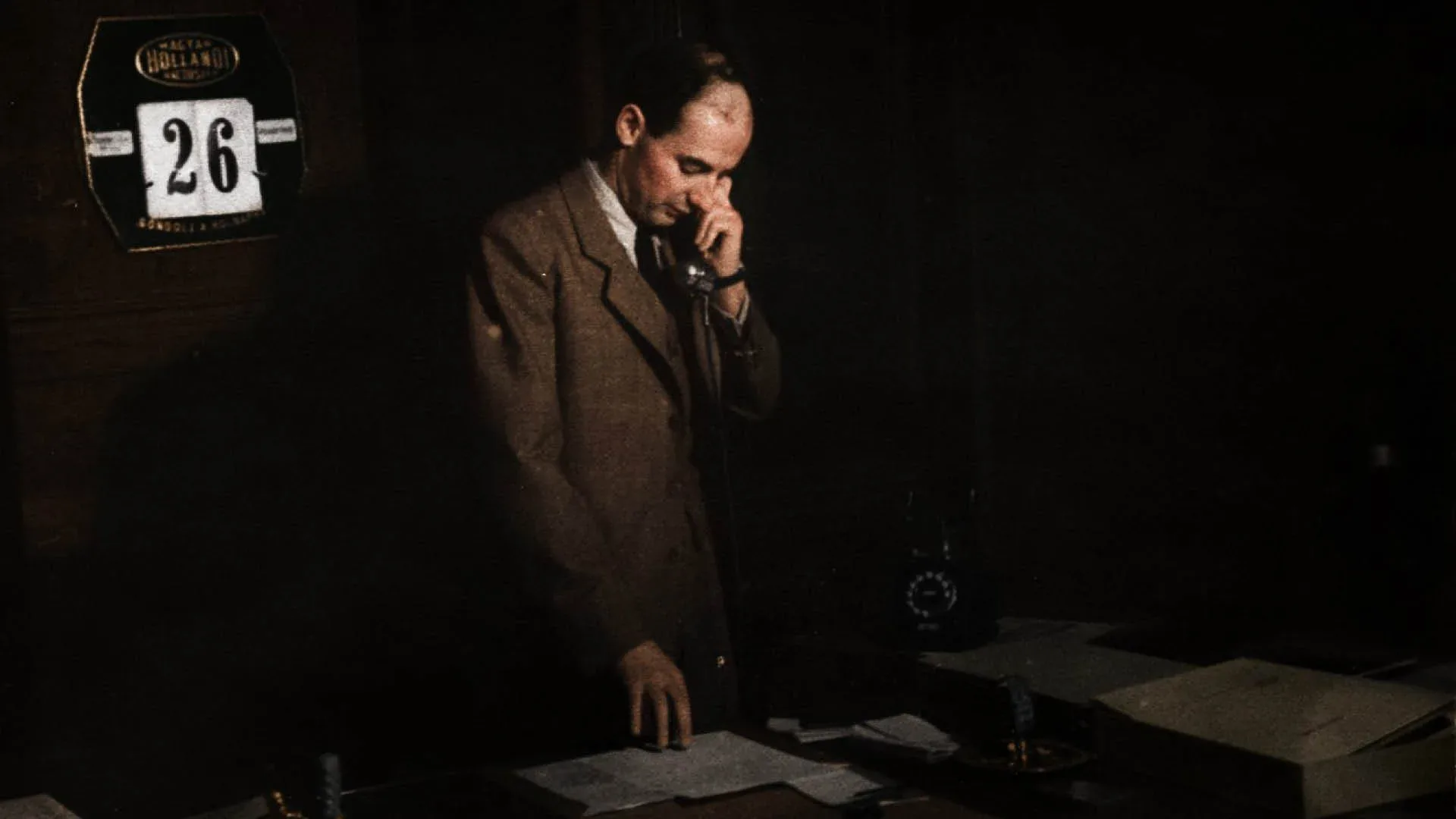
In February 1945, the Soviets liberated Budapest, now only around 100,000 Jews remained. The deportation of the Hungarian Jews created protests in many countries.
Several thousand Jews were saved from the Holocaust through the efforts of Wallenberg and the Swedish legation, but also from other diplomats during this time.
Raoul's Disappearance
On 17 January 1945, Raoul was abducted by Soviet officials. He was probably arrested on suspicion of espionage. A 1956 Soviet government report suggested that Wallenberg had died on July 17 th, 1947 in the Lubyanka prison in Moscow. Eyewitness observations of Wallenberg in the Soviet prison after 1947 have cast doubt to this claim. The exact date and circumstances of Wallenberg's death still remain unknown.
Raoul's family has been trying to find answers to what might have happened to him since his disappearance. There are several theories about what happened to Raoul after his disappearance. In October 2016, Swedish officials formally declared Raoul Wallenberg dead.