Otto’s toy dog

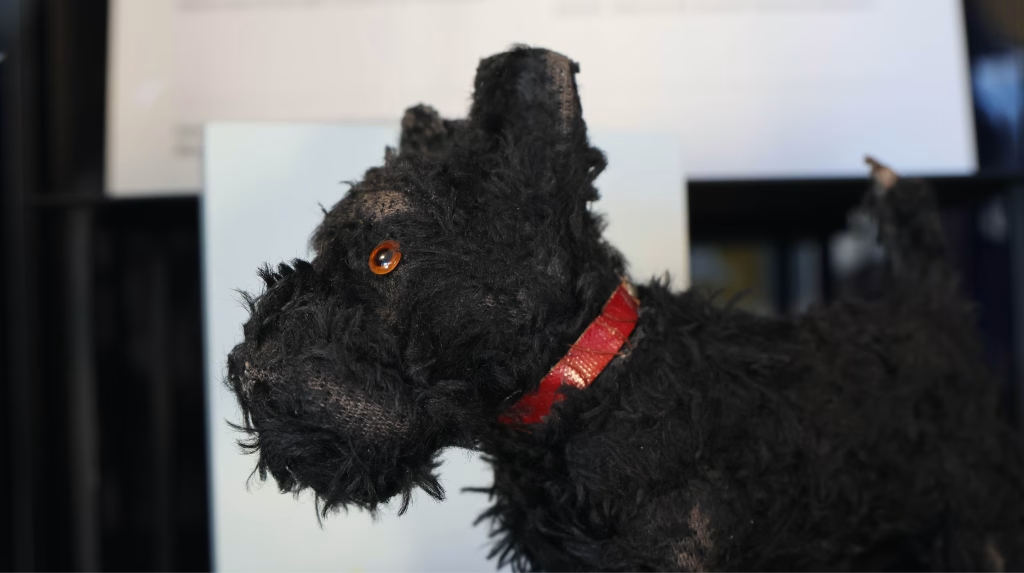
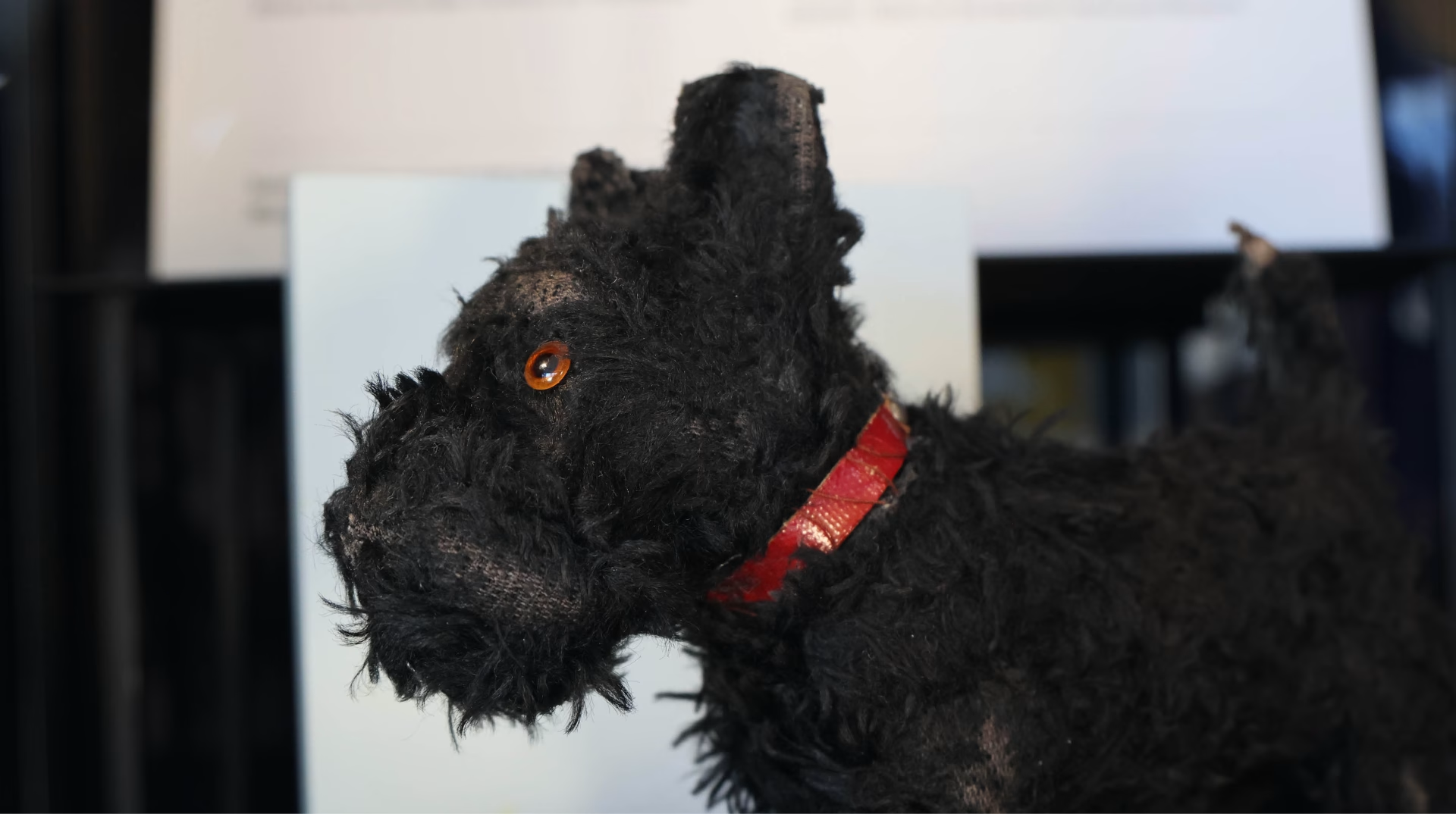
Otto was 13 years old when he left Vienna and saw his parents for the last time. On the train he brought with him a small suitcase of clothes, the Vienna tele­phone directory and a black toy dog.
A black toy dog.
Otto’s toy dog. Photo: Ellen Hallgren, The Swedish Holocaust Museum/SHM (CC BY 4.0)

When the noose tightened around the Jews after the Nazi annexation of Austria, the family did what they could to leave the country. Finally, the parents­ found an opportunity to save their only child. For this there were two conditions – that Otto was baptized as a Christian and that the parents stay behind.

Otto was one of the around 100 children who came to Sweden in early 1939 under the leadership of the Swedish Israel Mission in Vienna. He first came to a refugee camp in Tollarp. Later, the big-city boy Otto became a farmhand on the Elmtaryd farm of the Kamprad family in Småland.

Contact with his parents Josef and Elise was main­tained through frequent letters. At the end of August 1944, they ended abruptly when his parents were deported­­­ from Theresienstadt to Auschwitz.

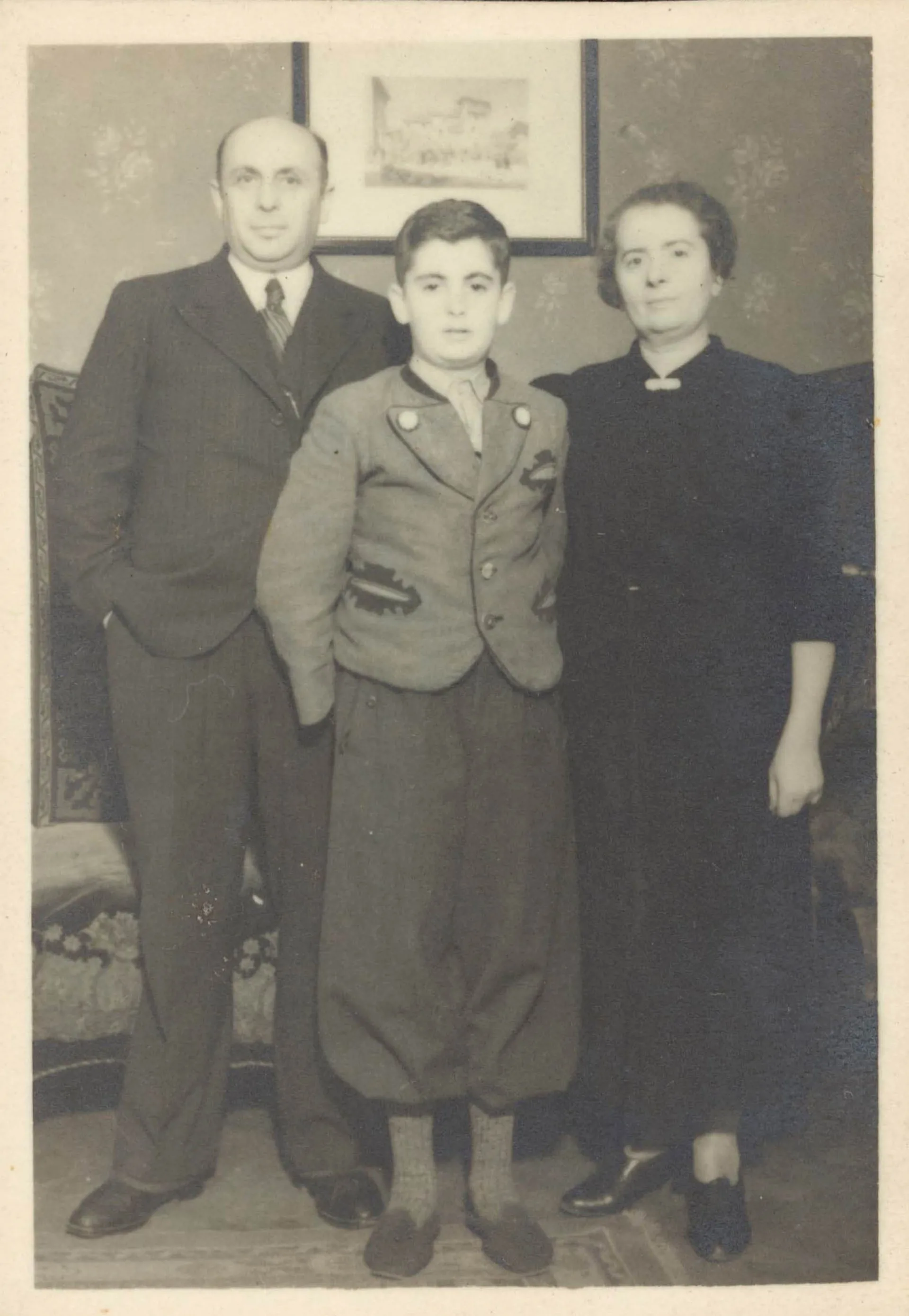
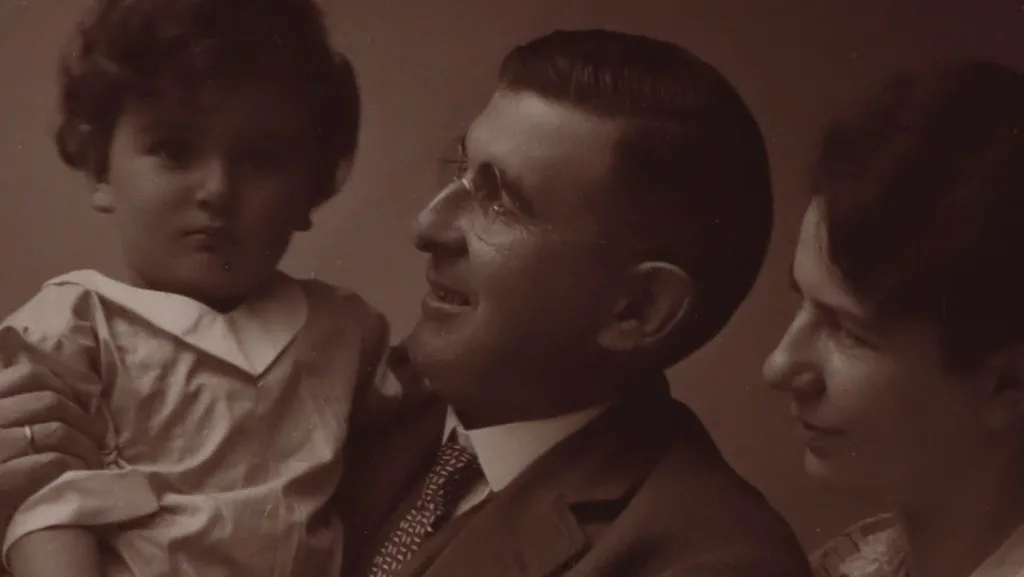
Family photo of Otto Ullman with his parents.
Otto Ullman with his mother Elise and father Josef. Photo: The Swedish Holocaust Museum/SHM

It was only after the end of the war in 1945 that Otto learned what had happened to his parents. Otto chose­­­ to stay in Sweden and start a family. In 2023, his children donated the stuffed dog and their grand­parents’ letters to the Swedish Holocaust Museum.
Donate to the collections

Do you or a relative have a personal story connected to the Holocaust that you would like the museum to preserve? Please get in touch.

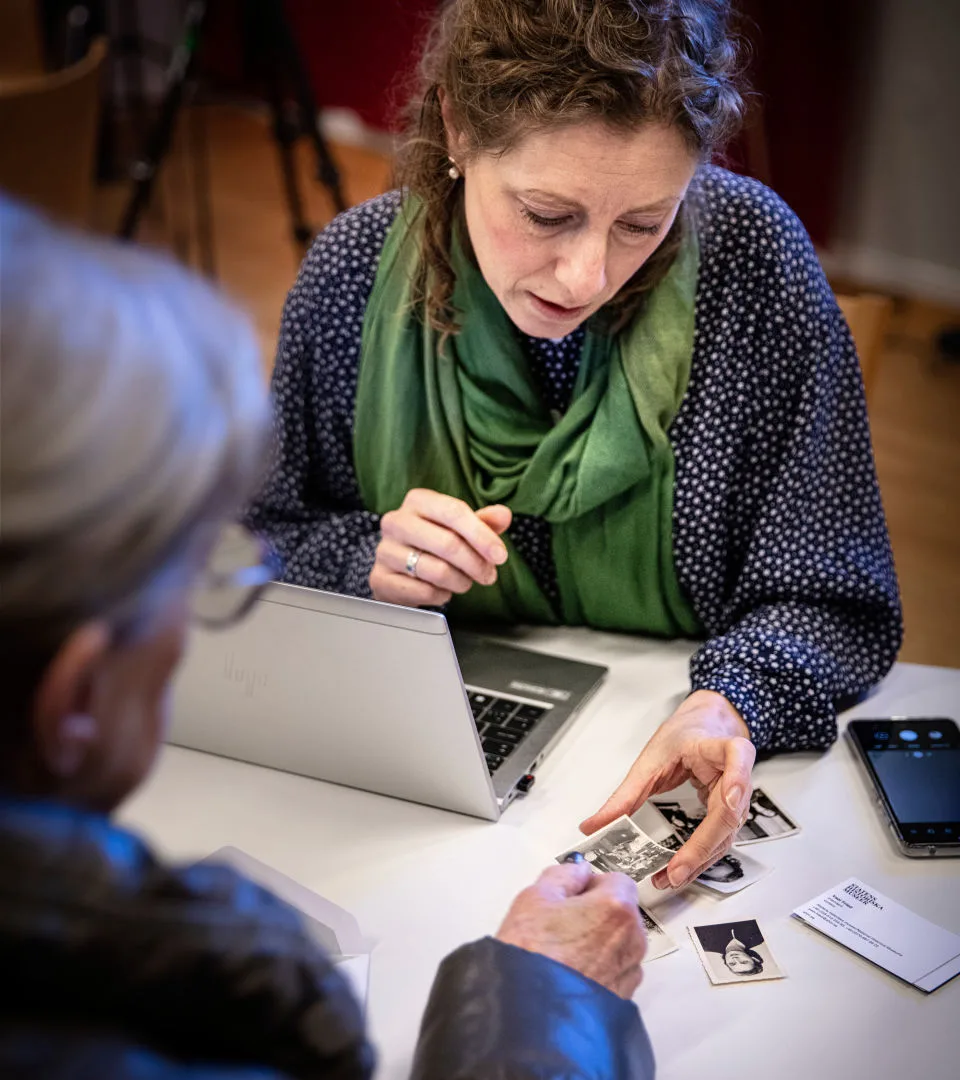
Museum staff looking at photographs together with a donor.
Photo: Jens Mohr, The Swedish Holocaust Museum/SHM

Explore the collections

The Swedish Holocaust Museum collects and preserves materials that can tell the story of Sweden and the Holocaust. Since the museum was founded in 2022, approximately 10,000 objects and archival items have been collected, and the collection continues to grow.

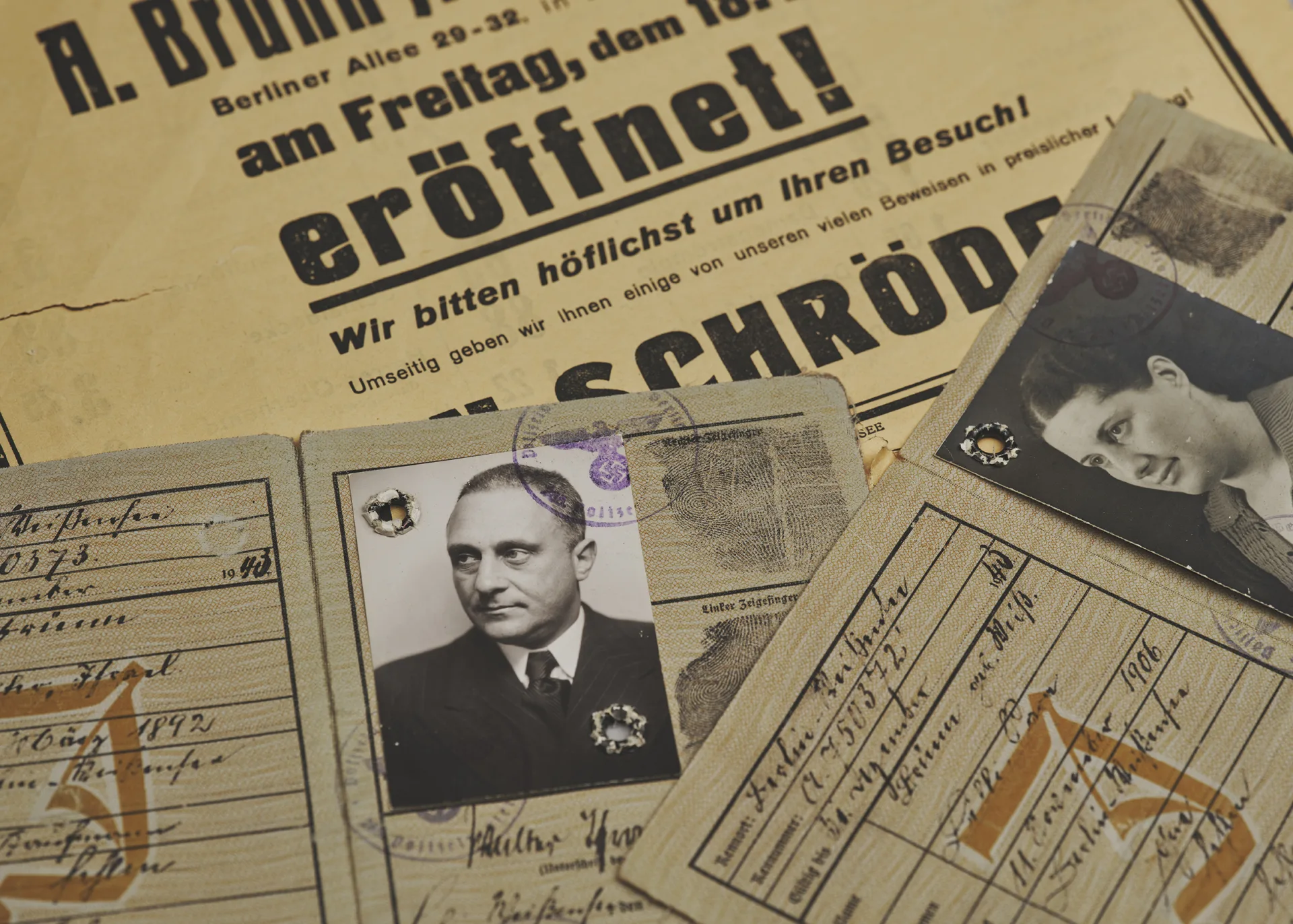
Detail of Walter Brünn's passports and other documents.
Photo: Ola Myrin, The Swedish Holocaust Museum/SHM