The Rothschild's Coffee Set
The Story Behind The Coffee Set
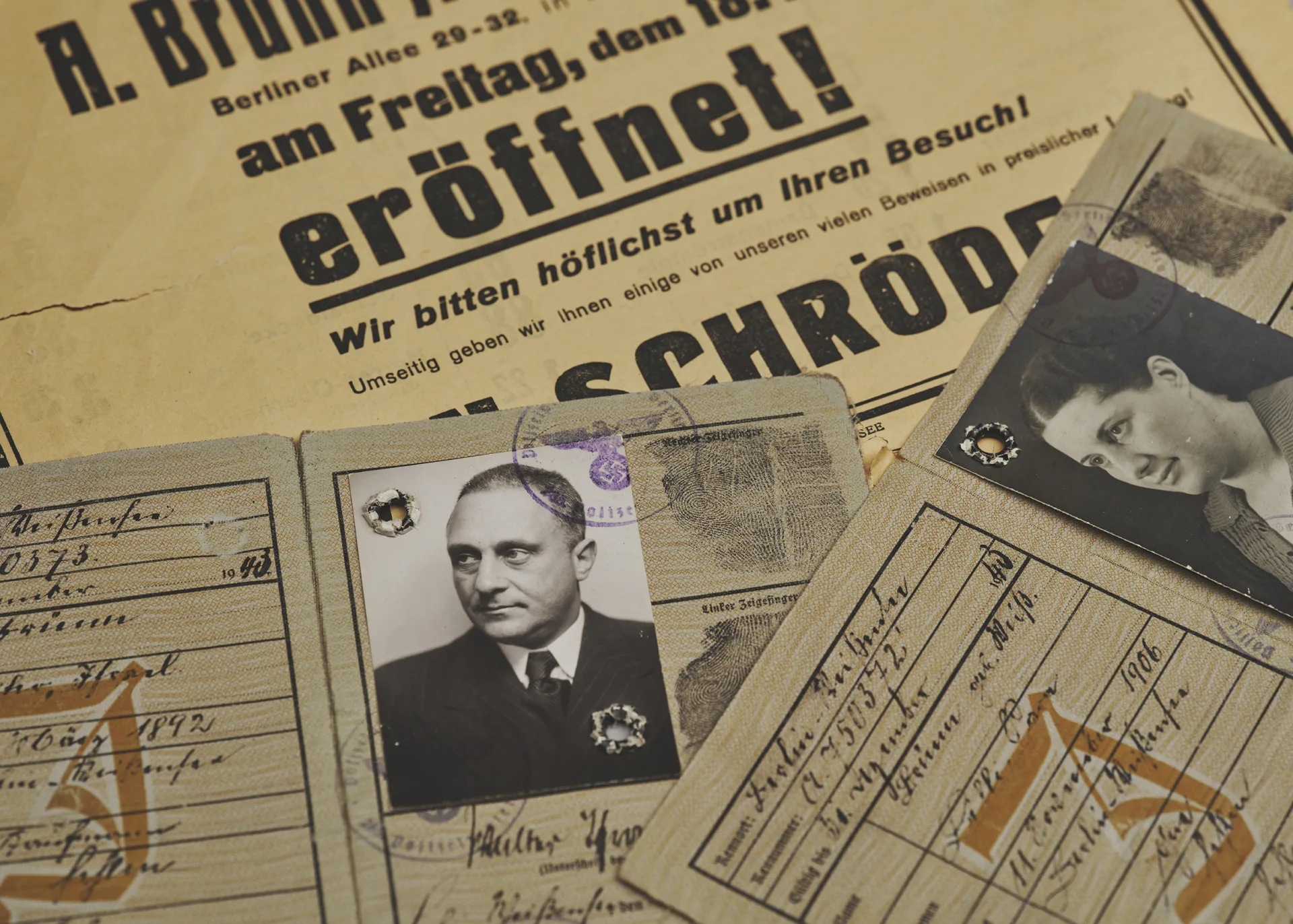
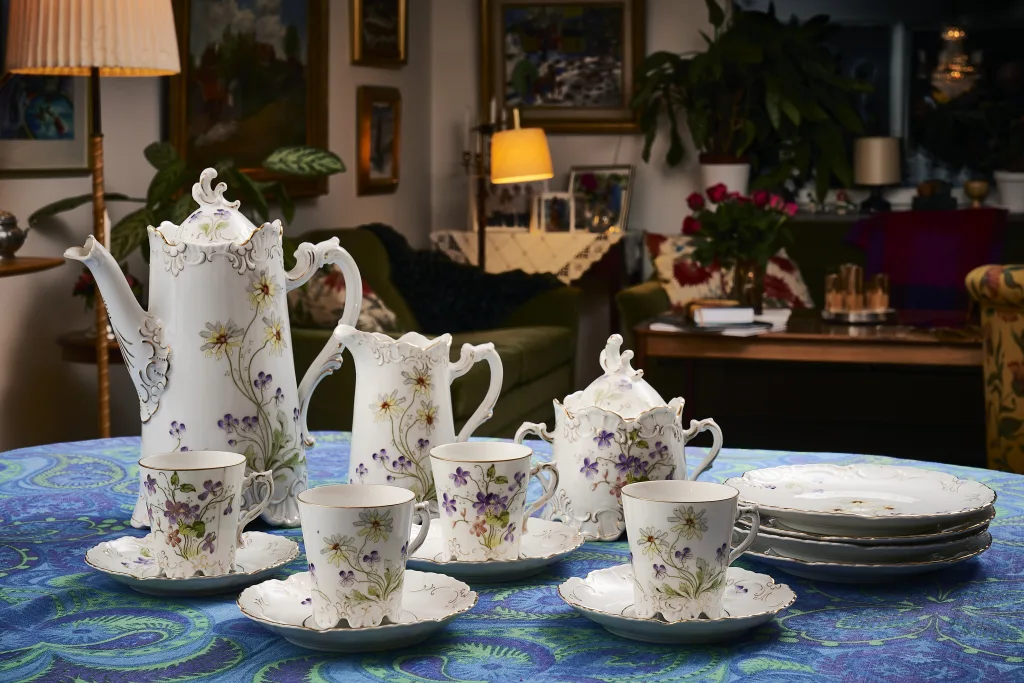
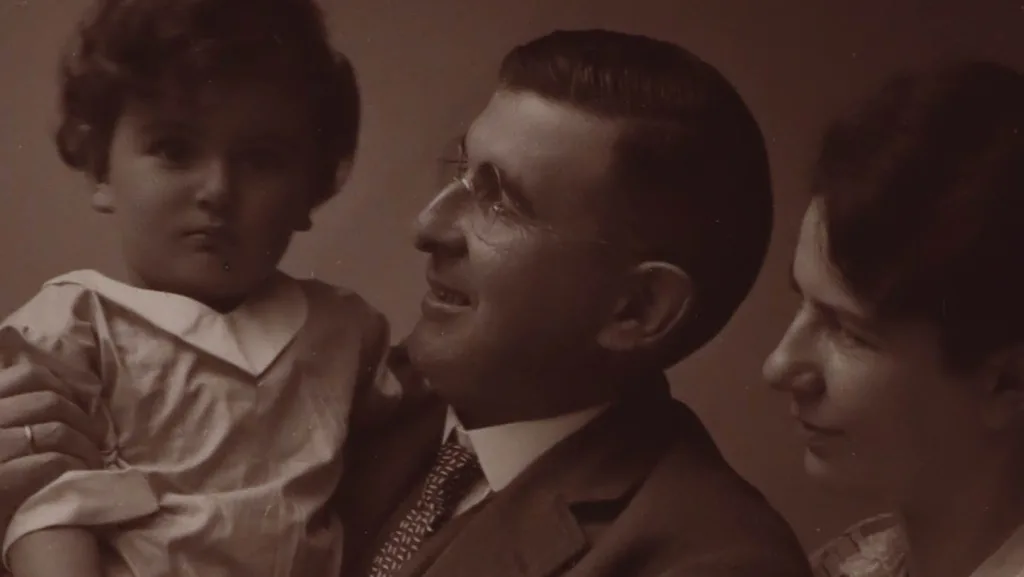
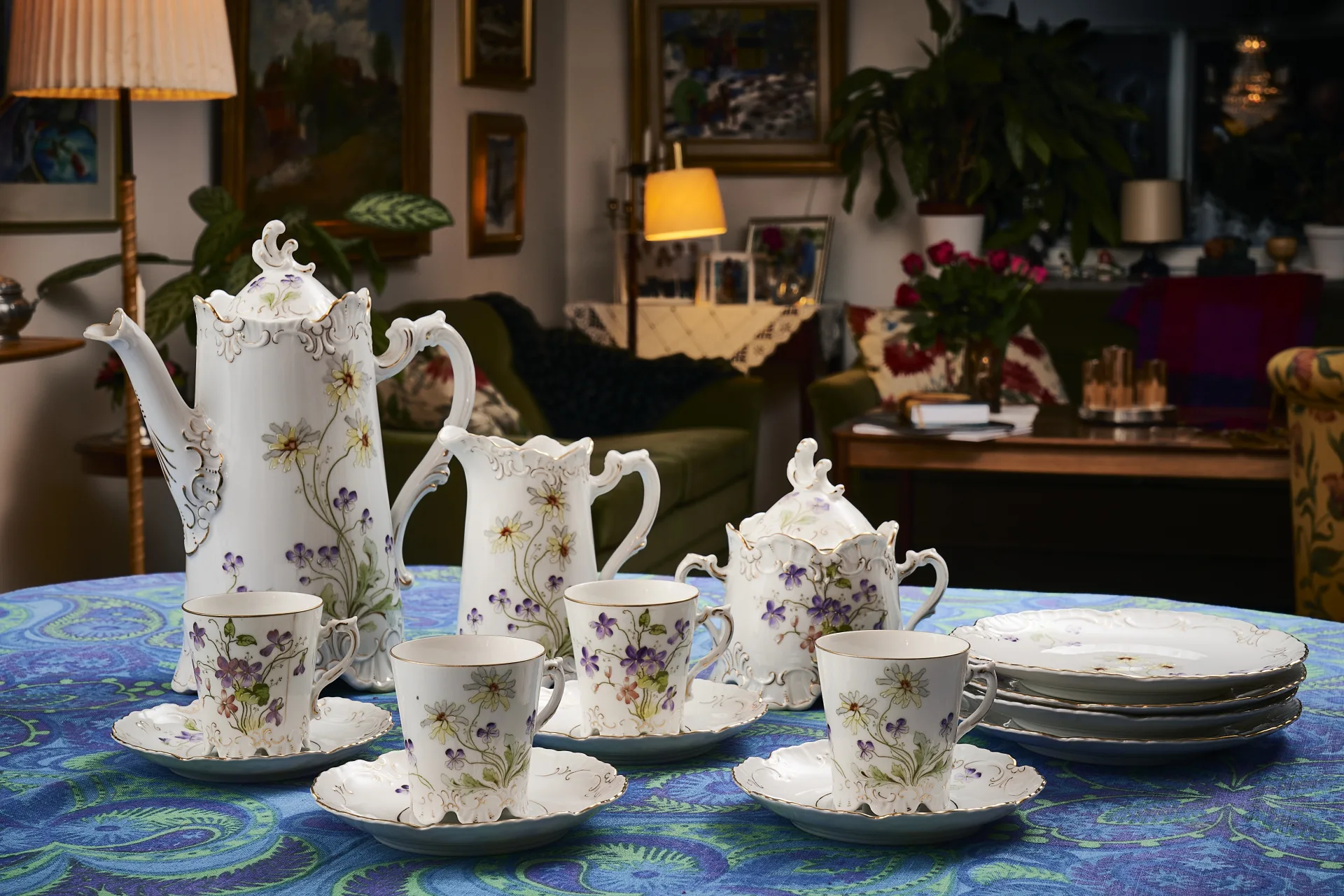
In the first decades of the 20th century, Bella and Max Rothschild lived with their children in the small town of Zella-Mehlis in Germany. There, they ran a tailor shop and lived a traditional Jewish life. At Passover, they used a special coffee set.
During the 1930s, more and more anti-Jewish laws were introduced in Nazi Germany. Jewish property was confiscated or destroyed. Coffee cup by coffee cup, Bella began to move her set to a neighbor's house. While the dishes were being saved and brought to the friend's home, Max and Bella received a deportation order. Max was so shocked by the news that he suffered a heart attack and died immediately. Just a few days later, Bella was deported to Theresienstadt concentration camp, where she was murdered in February 1944. Her son Siegfried, who had previously moved to Italy, managed to get to Sweden with his wife and newborn daughter in 1939.
Sixty years later, this daughter traveled to Germany with her family to find out more about her origins. The local newspaper wrote about the visit, and after a few months a letter arrived. It was from the neighboring family in Zella-Mehlis. They wrote that they had kept a coffee set for three generations, waiting for someone in the Rothschild family to return. The set was returned, and parts of it have been donated to the Swedish Holocaust Museum.
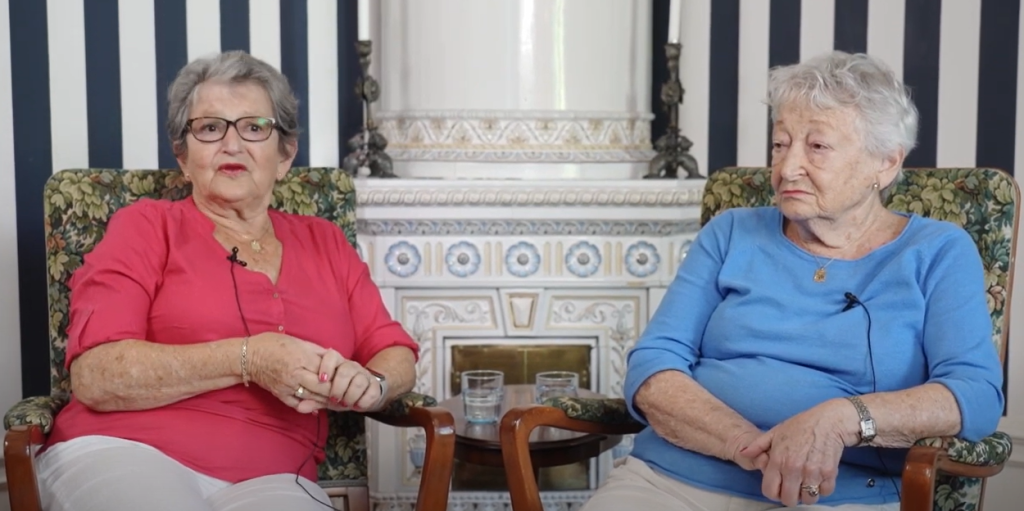
Interview with Monica Rothschild-Trollsås and Susanne Rothschild-Lundin. Forum för levande historia 2022, interviewer Erik Broberg.