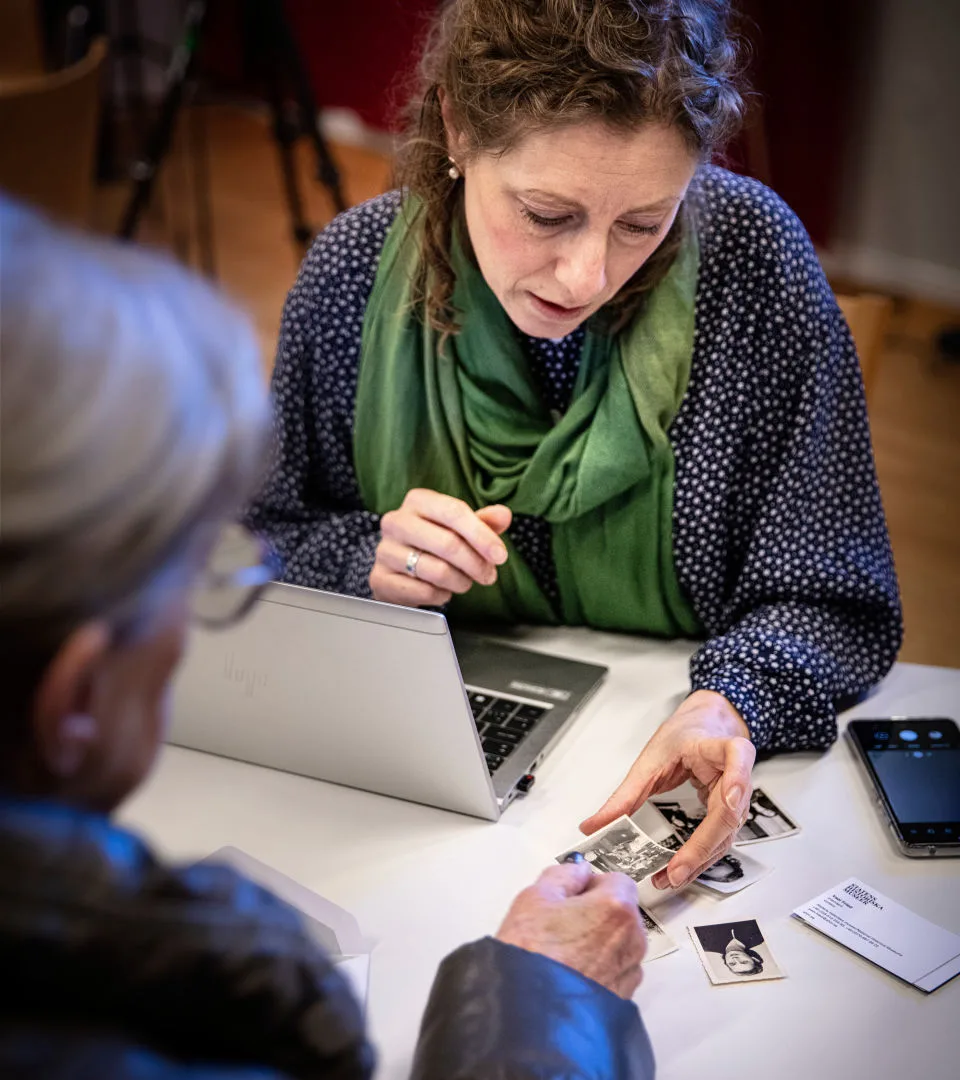
The Nina and Fardi Kwiek archive
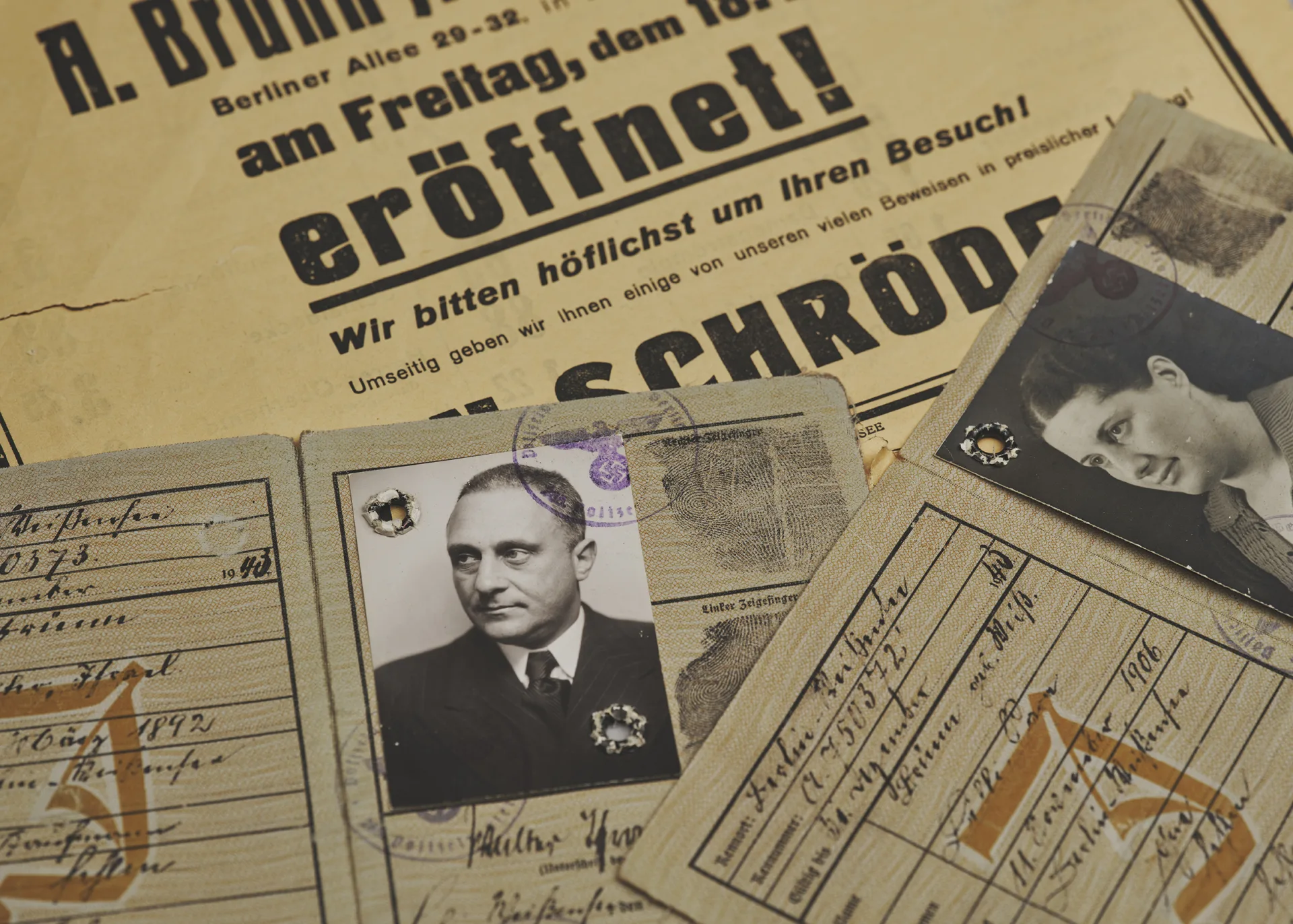
Nina’s family lived in hiding
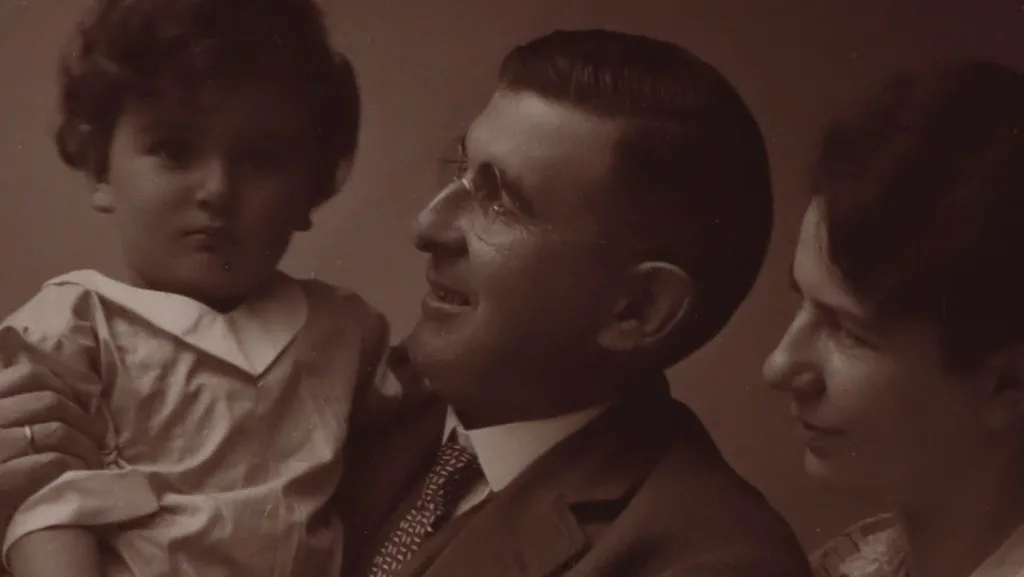
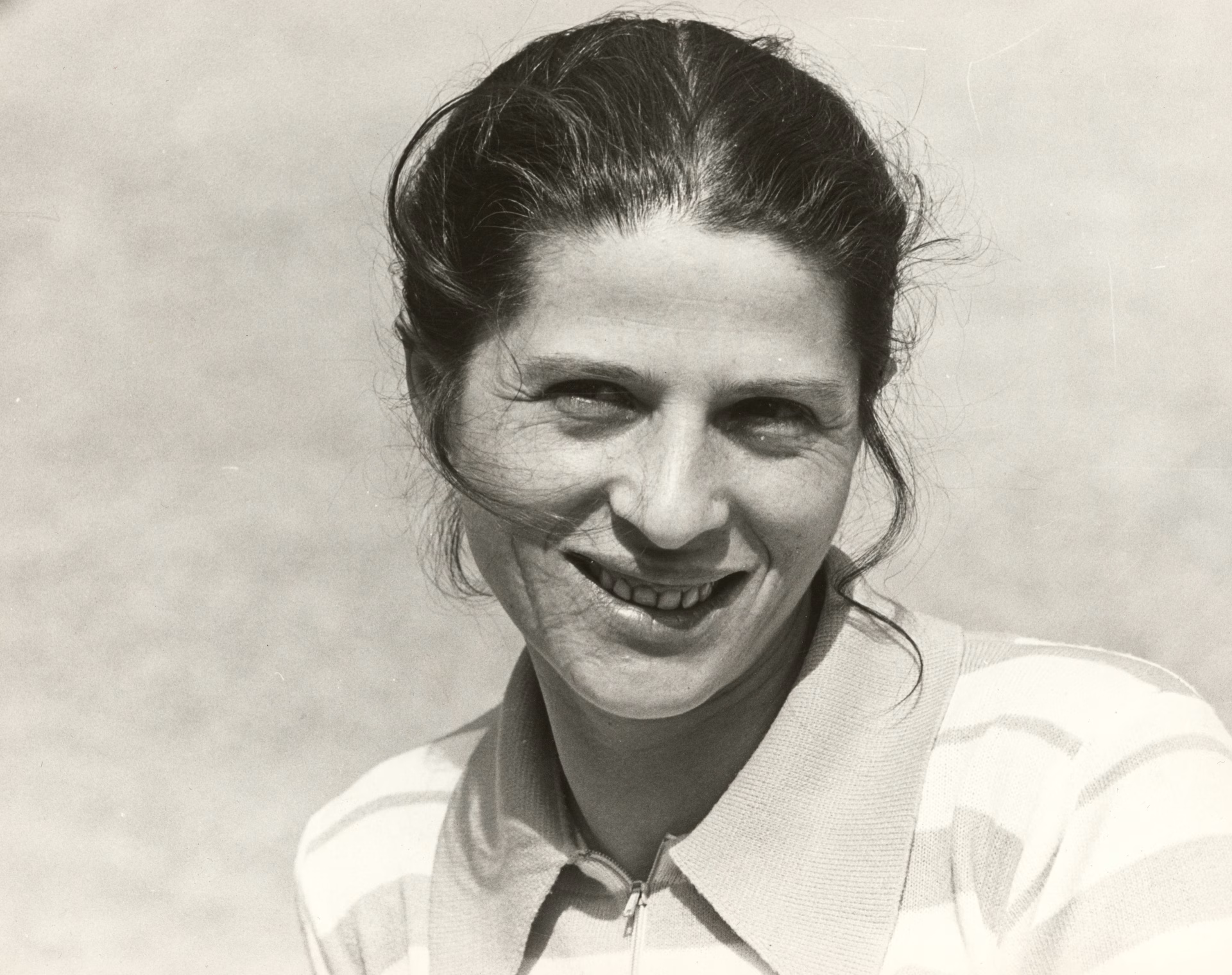
Nina Kwiek was born in Warsaw, Poland, on 12 September 1939. Her family was fleeing the Nazis at the time, and Nina is said to have been born in a ditch on the outskirts of the city. Five days later, Nazi Germany invaded Warsaw. During the war, the family lived in hiding, and many of their relatives were sent to camps or executed.
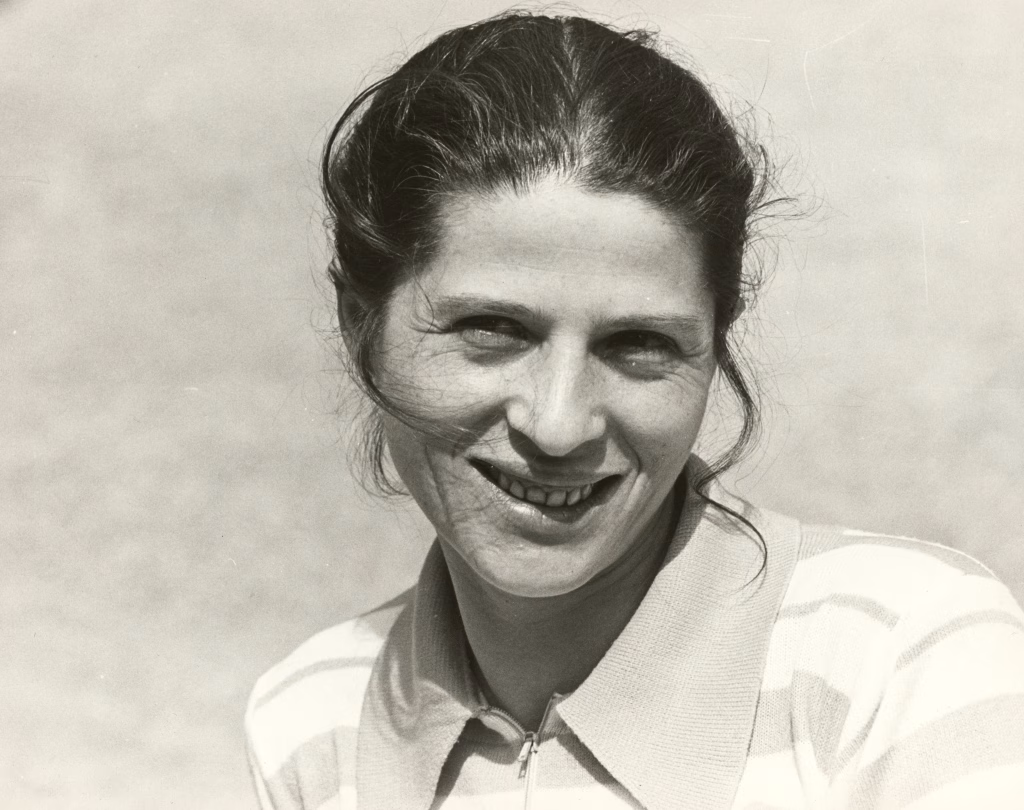
After the war, Nina lived in the city of Łódź, Poland, and in 1964 she married Franciszek (Fardi) Kwiek. Fardi was born in 1943 in Lwów, in what was then Poland. During the war, he lived with his extended family, but during a Nazi raid, all the men in the family were taken away, and Fardi never saw them again. After the war, he attended school in Łódź and later worked as a coppersmith.
Among the first Roma quota refugees
In January 1972, Nina and Fardi arrived in Sweden with their four children. The family were among the first Roma quota refugees to be granted permission to enter Sweden in the late 1960s and early 1970s. They had come from a refugee camp in Trieste, where they had been asked to demonstrate to Swedish officials what they could contribute to Swedish society. Upon arriving in Sweden, the family were housed at an in Flen for approximately six months. They were then given an apartment in Västerås.
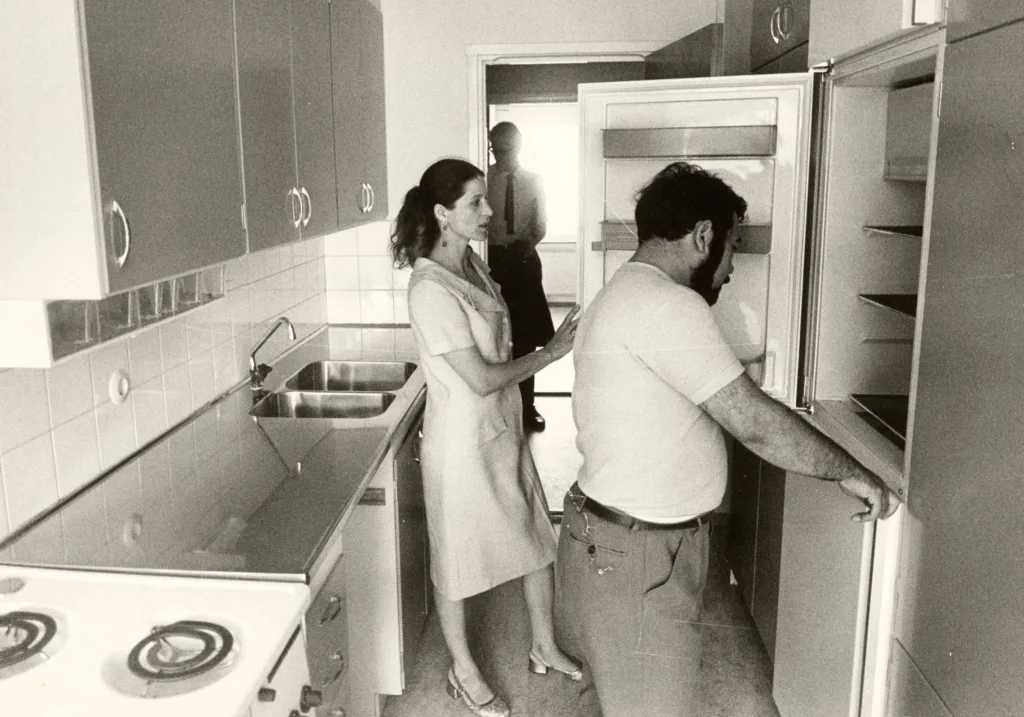
Preserved in the museum’s collections
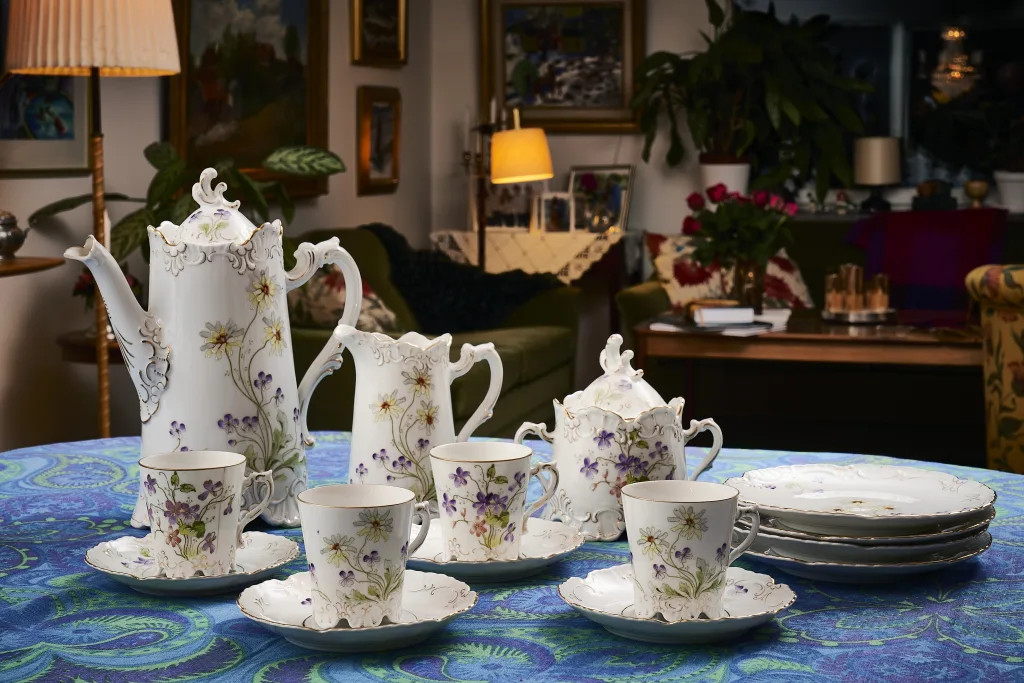
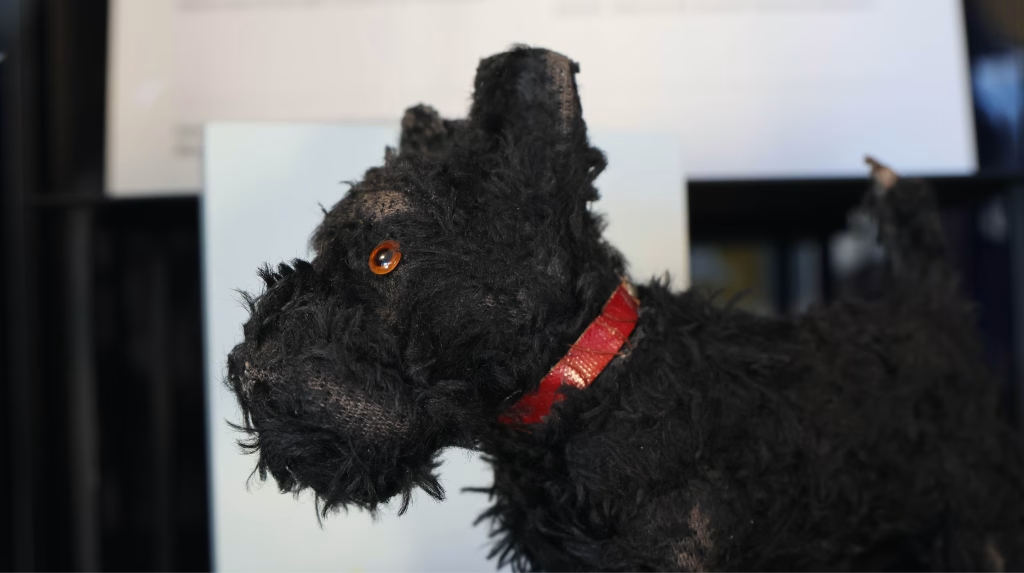
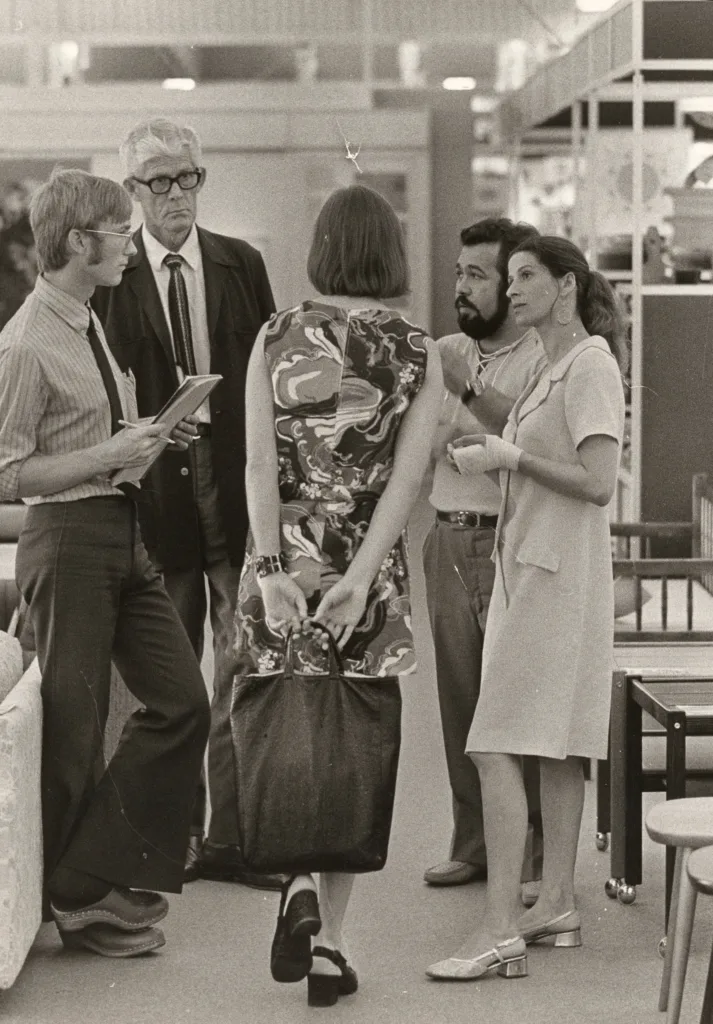
Readers of the Swedish newspaper Aftonbladet could follow Nina’s journey as someone newly arrived in Sweden through the article series “How Will Nina Fare in Sweden?”, published in 1972–73. Fardi kept newspaper clippings and photographs from the series. Together with interviews with Nina and Fardi’s children, these materials are now preserved in the museum’s collections for future generations.